
Alcohol can induce drowsiness quickly while profoundly altering brain activity throughout the night. These fluctuations are directly related to the quality of rest and the body's ability to recover.
Particularly noteworthy are the hours after sleep begins. Alcohol can alter REM sleep, deep sleep, circadian rhythms, and wakefulness frequency. These effects create a subtle chain reaction, impacting energy, memory, and mood the following day.
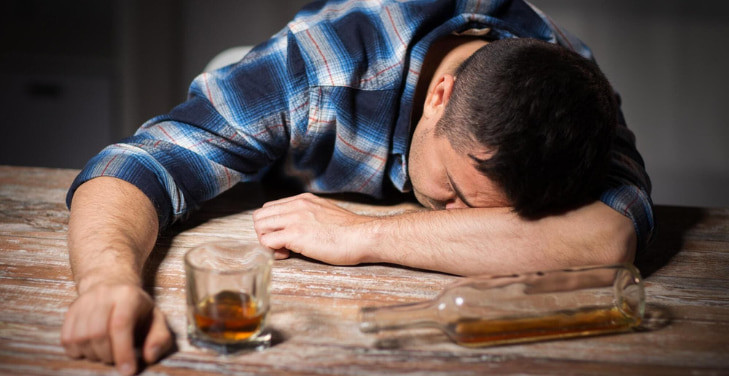
Alcohol can disrupt sleep cycles, reduce sleep quality, and interfere with restorative rest.
What Happens to Sleep After Drinking Alcohol?
Alcohol rapidly affects the central nervous system and alters the process of falling asleep. After drinking, the brain undergoes significant changes in neural activity, ranging from initial drowsiness to disruptions of sleep cycles in the following hours.
Initial Sedative Effects
Alcohol creates a feeling of relaxation and drowsiness by altering the activity of neurotransmitters. This state can help the body fall asleep faster, especially when consumed close to bedtime. Sleep quality depends on the amount of alcohol, the time of consumption, and the individual's physiological characteristics.
Changes During Alcohol Metabolism
As the liver metabolizes alcohol during the night, blood alcohol levels gradually decrease and neural activity changes. This process can lead to shallower sleep, increased awakenings, and restless sleep. The body may also experience thirst, frequent urination, and hot flashes, all of which further disrupt rest.
How Does Alcohol Affect Sleep Quality?
Alcohol alters sleep quality through various neurological and physiological mechanisms that occur throughout the night. This impact affects sleep continuity, depth, and restorative capacity.
Fragmented Nighttime Sleep
Alcohol alters brain activity as the body transitions through sleep stages. Those who drink alcohol may experience multiple short awakenings, sometimes lasting only a few minutes and difficult to recognize. These repeated interruptions reduce sleep continuity and lead to morning fatigue.
Increased Nighttime Awakenings
The body's metabolism of alcohol continues during sleep. Thirst, increased urination, changes in body temperature, and nervous system stimulation can contribute to nighttime awakenings. A high frequency of interruptions reduces the time spent on restorative sleep.
Reduced Restorative Sleep
Restorative sleep supports emotional regulation, strengthens memory, and restores energy. Alcohol can alter the distribution of sleep stages, thereby affecting overall rest effectiveness.
Alcohol and REM Sleep
REM sleep plays a crucial role in processing emotions, consolidating memories, and maintaining cognitive function. Alcohol directly impacts sleep structure, creating noticeable changes to the duration and timing of REM sleep.
Role of REM Sleep
During REM sleep, the brain increases activity and forms many vivid dreams. This stage supports information consolidation, emotional regulation, and the maintenance of cognitive function. REM cycles are usually more frequent in the latter half of the night.
REM Suppression
Alcohol can reduce or delay REM sleep in the initial sleep cycles. As alcohol levels decrease, REM activity may increase again in the later hours of the night. This change disrupts sleep structure and increases the likelihood of waking.
Effects on Memory and Mood
Disruption of REM sleep can affect the processing of emotions and the consolidation of memories. Disturbed sleep is often accompanied by fatigue, difficulty concentrating, and a poor mood the following day.
How Alcohol Changes Deep Sleep
Deep sleep, or slow-wave sleep, supports physical recovery, regulates immunity, and strengthens many biological functions. Alcohol alters the distribution of this phase throughout nighttime rest.
Role of Slow-Wave Sleep
During deep sleep, brain activity shifts to a slow and steady state, while the body intensifies recovery processes. This phase contributes to energy maintenance, supports tissue repair, and promotes growth hormone secretion.
Early-Night Changes
Alcohol can increase the tendency for deep sleep to occur in the early part of the night. The sedative effects of ethanol promote sleep onset and alter brain electrical activity in the early cycles.
Sleep Disruption Later at Night
As the body metabolizes alcohol, sleep patterns continue to change. The late hours of the night may involve multiple awakenings, light sleep, and fragmented sleep cycles. This pattern reduces the continuity of the rest period and affects the feeling of recovery in the morning.
Alcohol and Sleep Architecture
Sleep architecture describes how the brain alternates between sleep stages throughout the night. Alcohol affects this sequence by altering neural activity, the duration of each stage, and the stability of sleep cycles.
Changes in Sleep Cycles
Alcohol can alter when the body transitions from drowsiness to deep sleep and REM stages. The early cycles are often significantly affected by the sedative effects of ethanol, while later cycles continue to change as alcohol levels decrease.
Non-REM and REM Stages
Non-REM sleep progresses through various stages from light to deep sleep, and then the cycle transitions to REM sleep. Alcohol alters the duration and distribution of these stages, creating an unstable sleep rhythm throughout the night.
Importance for Recovery
A stable sleep architecture supports physical recovery, memory consolidation, and emotional regulation. Disruptions to the cycle can reduce the effectiveness of rest and leave the body feeling low on energy upon waking.
Does Alcohol Cause Nighttime Awakenings?
Alcohol can increase nighttime awakenings by affecting the nervous system, metabolism, and fluid balance. These factors fragment sleep and affect the feeling of recovery the following morning.
Increased Sleep Fragmentation
Ethanol has a sedative effect in the early stages of sleep, but its metabolism continues to alter nervous system activity. These fluctuations can promote short awakenings and reduce sleep continuity.
Thirst and Bathroom Trips
Alcohol promotes urination, increasing the risk of thirst and waking up to drink water or use the bathroom. Repeated awakenings reduce the duration of continuous sleep and impair recovery.
Alcohol Metabolism During the Night
As the liver metabolizes ethanol, blood alcohol levels gradually decrease, and nervous system activity changes. This process can lead to shallower sleep, especially in the later hours of the night.
Alcohol, Snoring, and Sleep Apnea
Alcohol affects respiratory muscles during sleep by influencing muscle tone and airway control. These changes can make snoring more pronounced and increase the risk of respiratory disorders in at-risk individuals.
Relaxation of Throat Muscles
Ethanol reduces the tone of the pharyngeal muscles, making the soft tissues around the airways more prone to vibration as air passes through. This vibration can cause snoring and narrow the airways during sleep.
Increased Snoring After Drinking
Drinking alcohol close to bedtime can make snoring more frequent or pronounced. Sleeping position, alcohol intake, and airway anatomy all affect the level of snoring at night.
Obstructive Sleep Apnea
In individuals with or at risk of obstructive sleep apnea, alcohol can prolong episodes of airway obstruction. This condition reduces blood oxygen levels, causing brief awakenings and fragmented sleep.
How Alcohol Affects Circadian Rhythm
The circadian rhythm regulates sleep-wake cycles, body temperature, and many physiological processes in a 24-hour cycle. Alcohol can affect this system by influencing neural activity and sleep-regulating signals.
Influence on the Body Clock
Alcohol can alter the activity of the central circadian clock in the hypothalamus, affecting signals related to melatonin and the sleep-wake cycle. These fluctuations can change sleep-wake times.
Changes in Sleep Timing
Drinking alcohol close to bedtime can cause sleep to start earlier, followed by multiple awakenings during the night. This pattern alters the duration and timing of rest, especially when alcohol consumption is frequent.
Drinking Close to Bedtime
The timing of alcohol consumption directly affects sleep patterns in the following hours. Alcohol consumed close to bedtime can disrupt circadian rhythms, fragment sleep, and affect alertness the following day.
Long-Term Effects of Alcohol on Sleep
Regular alcohol use can profoundly alter sleep structure and quality over time. These cumulative effects affect the ability to maintain sleep, regulate circadian rhythms, and support the body's recovery.
Persistent Sleep Disturbances
Prolonged alcohol consumption can increase nighttime awakenings, disrupt sleep, and reduce morning alertness. The nervous system gradually adapts to the effects of ethanol, thereby altering the initiation and maintenance of sleep.
Alcohol and Insomnia
Regular alcohol use is associated with an increased risk of developing or prolonging insomnia symptoms. The initial drowsiness can lead to a habit of drinking alcohol before bedtime, while the metabolism of alcohol continues to fragment sleep.
The Sleep-Alcohol Cycle
Poor sleep can promote the use of alcohol for relaxation or to facilitate sleep. This habit further disrupts sleep patterns, creating a vicious cycle that affects physical health, mood, and cognitive function.
Conclusion
Alcohol significantly impacts many aspects of sleep, from rest quality and sleep architecture to REM sleep duration and deep sleep. These changes can increase awakenings, fragment sleep, and affect the body's ability to recover.
Consuming alcohol close to bedtime can disrupt circadian rhythms and worsen snoring or sleep apnea. Maintaining healthy sleep habits and limiting alcohol consumption support more stable, deeper, and more restorative sleep.
Frequently Asked Questions (FAQs)
- How does alcohol affect sleep quality? – Alcohol alters sleep architecture by increasing wakefulness and fragmenting sleep. Its initial sedative effect promotes drowsiness, while metabolism can disrupt sleep cycles later in the night.
- Does alcohol reduce REM sleep? – Alcohol can reduce or delay REM sleep during early sleep cycles. As alcohol levels decline, REM activity may increase later in the night, altering sleep architecture and emotional processing.
- Can alcohol cause nighttime awakenings? – Alcohol can increase nighttime awakenings through ethanol metabolism, increased urination, thirst, and changes in neural activity, which can reduce sleep continuity.
- Does alcohol affect deep sleep? – Alcohol can alter deep sleep during the hours after drinking. As ethanol is metabolized, sleep may become shallower and more fragmented, affecting overnight recovery.
- Can alcohol worsen sleep apnea? – Alcohol can reduce pharyngeal muscle tone, increasing the tendency of the upper airway to narrow during sleep. This can worsen obstruction and disrupt sleep in people with obstructive sleep apnea.
