
Many women discover they have a high hematocrit after experiencing persistent headaches, unusual skin redness, and a feeling of constant palpitations. This indicator reflects the concentration of the blood and shows that the body is under significant circulatory stress.
Elevated hematocrit is closely related to dehydration, smoking, endocrine disorders, and various underlying medical conditions. Early identification of the cause helps improve blood circulation, reduce the risk of thrombosis, and protect long-term cardiovascular health.
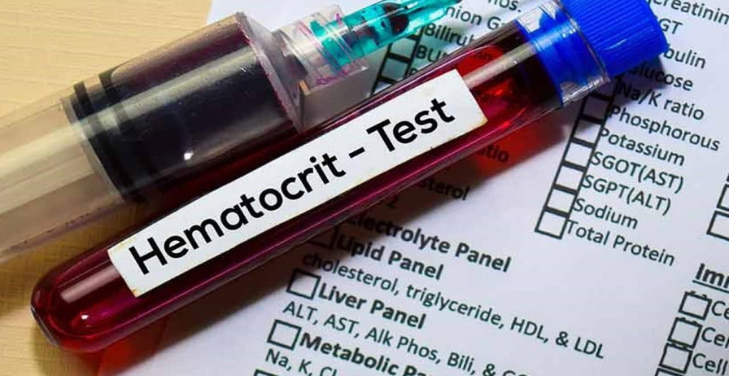
High hematocrit levels may increase blood thickness and affect normal circulation patterns.
What Does High Hematocrit Mean in Women?
High hematocrit levels reflect a significantly increased proportion of red blood cells in the blood. This condition makes the blood thicker, slows circulation, and puts greater pressure on the cardiovascular system. Many women discover elevated hematocrit levels during routine blood tests, especially when experiencing prolonged fatigue, headaches, or unusual skin redness.
Normal Hematocrit Range
In adult women, hematocrit typically ranges from 36% to 46%. An increase above this range indicates the body is either boosting red blood cell production or reducing plasma volume. This change directly affects the blood's ability to carry oxygen and its circulation.
Blood Thickness and Circulation
Thicker blood creates a feeling of heaviness, hot flashes, and dizziness. The heart works harder to pump blood through the circulatory system. Continuously elevated blood pressure increases the risk of blood clots, especially in women who smoke or live at high altitudes.
Common Symptoms Linked to Elevated Hematocrit
Elevated hematocrit causes a series of noticeable changes in circulation and the nervous system. Slower blood flow can lead to feelings of heaviness in the head, fatigue, and difficulty concentrating. Many women notice these symptoms worsening over time, especially in hot environments or during prolonged exercise.
Headaches and Dizziness
Thick blood causes a rapid increase in pressure within the vessels. Patients often experience dull headaches, dizziness, and a spinning sensation when changing posture. Some cases involve sharp pain in the temples accompanied by intense facial flushing.
Fatigue and Weak Concentration
Cells receive oxygen less efficiently, causing the body to continuously expend energy. Persistent fatigue appears in the early morning. Many women experience decreased concentration, reduced work performance, and slow reactions in daily activities.
Skin Redness and Tingling
The skin on the face, palms, or neck is often darker red than normal. Some people experience tingling sensations in the fingertips, burning in the feet, and increased sweating as circulation becomes overloaded.
Dehydration as a Temporary Cause of High Hematocrit
Dehydration causes a rapid increase in hematocrit levels over a short period. When the body is dehydrated, plasma volume decreases significantly, while the number of red blood cells remains the same. Blood becomes more concentrated, and tests therefore show a high hematocrit level. This condition often occurs after prolonged fever, strenuous exercise, or exposure to high temperatures.
Fluid Loss and Blood Concentration
The body loses water through sweating, breathing, and urination daily. When fluid levels drop sharply, blood circulation slows down, and circulatory pressure increases. Patients often experience dry mouth, rapid heartbeat, and a dull headache.
Heat Exposure and Excessive Sweating
Hot environments stimulate the sweat glands to work continuously. Women who exercise intensely or work outdoors are more prone to fluid volume depletion. The hematocrit level then increases as a temporary physiological response.
Smoking and Oxygen Deprivation
Smoking puts significant strain on the respiratory and circulatory systems. Smoke introduces carbon monoxide into the lungs, reducing the amount of oxygen red blood cells can carry to tissues. The body reacts by increasing red blood cell production to maintain oxygen supply to cells. This process gradually increases hematocrit, making the blood thicker.
Carbon Monoxide and Red Blood Cells
Carbon monoxide binds strongly to hemoglobin, displacing oxygen. The heart begins to work harder to compensate for the reduced oxygen supply to the tissues. Long-term smokers often experience dark red skin, headaches, and facial flushing.
Chronic Oxygen Stress
Prolonged oxygen deficiency stimulates the kidneys to secrete more erythropoietin. This hormone prompts the bone marrow to continuously produce more red blood cells. Thicker blood increases pressure on the vessel walls, reduces blood flow, and increases the risk of blood clots in adult women.
Hormonal and Lifestyle Factors in Women
Hormones and lifestyle habits strongly influence hematocrit in women. Changes in hormones, exercise intensity, and living environment directly impact red blood cell production. As the body constantly adapts to physiological stress, blood becomes thicker, and circulation becomes more strenuous.
Intense Physical Activity
High-intensity exercise stimulates the body to increase its oxygen-carrying capacity. Bone marrow works harder to produce more red blood cells to meet energy needs. Women who play endurance sports often experience a slight increase in hematocrit, along with hot flashes and a rapid heartbeat after exercise.
Hormonal Changes and Stress
Hormonal fluctuations during the menstrual cycle or pre-menopause significantly affect blood circulation. Prolonged stress increases cortisol levels, promoting vasoconstriction and increased cardiovascular pressure. Many women experience headaches, insomnia, and flushing when hematocrit is consistently elevated.
High-Altitude Living
High-altitude environments contain lower-than-normal levels of oxygen. The body reacts quickly by increasing red blood cell production to maintain oxygen supply to vital tissues and organs.
Medical Conditions That Can Raise Hematocrit Levels
Many underlying medical conditions can cause the body to increase red blood cell production, leading to persistently high hematocrit levels. When this condition persists, the blood becomes thicker, circulation is under greater pressure, and the risk of cardiovascular complications increases significantly. Some women only discover the problem after experiencing headaches, fatigue, or unusually high blood pressure.
Polycythemia Vera
Polycythemia vera causes the bone marrow to overproduce red blood cells. The blood thickens rapidly, the face becomes deeply red, and a burning sensation occurs frequently. Many cases also involve itchy skin, dizziness, and an increased risk of blood clots.
Chronic Lung Disorders
Chronic lung diseases cause a continuous decrease in blood oxygen levels. The body reacts by stimulating the production of more red blood cells to maintain oxygen supply to tissues. Patients often experience shortness of breath, rapid heartbeat, and chest tightness during exercise.
Kidney-Related Conditions
The kidneys control the hormone erythropoietin, a crucial factor in red blood cell production. Certain kidney diseases cause this hormone to become elevated, leading to a significant increase in hematocrit over time.
Can Menopause Affect Hematocrit Levels?
Menopause brings significant changes in hormone levels and blood circulation. As estrogen levels decline, the body begins to adjust cardiovascular activity, metabolism, and blood cell production. Some women report a gradual increase in hematocrit during this period, accompanied by hot flashes, insomnia, and rapid heartbeat.
Hormonal Shifts and Blood Composition
Estrogen directly affects the elasticity of blood vessel walls and blood flow. As hormones change, circulation becomes less stable, and blood becomes more concentrated. Many women experience flushing, headaches, and hot flashes throughout the body during perimenopause.
Reduced Fluid Balance
Menopause alters the body's ability to retain water and regulate temperature. Frequent night sweats lead to a noticeable decrease in fluid volume. As a result, blood becomes thicker, and hematocrit levels increase in multiple consecutive tests.
Health Risks Associated With High Hematocrit
High hematocrit puts significant pressure on the entire circulatory system. As blood thickens, its flow rate decreases, and the heart has to work harder and more continuously. This prolonged condition directly affects the brain, heart, and peripheral blood vessels. Many women experience noticeable symptoms after a period of consistently high hematocrit levels.
Blood Clot Formation
Thicker blood makes platelets more likely to clump together in the blood vessels. Blood clots begin to form in the veins of the legs, lungs, or cerebral arteries. Patients often experience leg pain, chest tightness, or sudden numbness or weakness in the limbs.
Cardiovascular Strain
The heart increases its pumping force to maintain blood flow to vital organs. The pressure on the vessel walls increases continuously, causing blood pressure to fluctuate significantly and the heart rate to increase. Some women also experience palpitations, shortness of breath, and chest pain during exercise.
How Doctors Diagnose the Underlying Cause
A high hematocrit often reflects an underlying health problem. Doctors need a comprehensive evaluation to determine the true cause, ranging from temporary dehydration to hematological disorders or chronic respiratory conditions. The diagnostic process involves several steps to clarify the mechanism causing the abnormally high red blood cell count.
Complete Blood Count Testing
A complete blood count (CBC) measures hematocrit, hemoglobin, and red blood cell count. This provides a clear picture of blood concentration and the level of blood cell proliferation in the body. Doctors often combine this with white blood cell and platelet counts to assess the risk of bone marrow disease.
Oxygen and Organ Evaluation
Oxygen saturation indicates the amount of oxygen a blood sample can carry. Doctors also check lung, heart, and kidney function to determine which organs are affecting hematocrit. In some cases, imaging or erythropoietin hormone testing is needed to find the underlying cause.
Ways to Lower High Hematocrit Naturally and Medically
High hematocrit needs to be controlled early to reduce the strain on the heart and circulatory system. Treatment depends on the underlying cause, the degree of red blood cell increase, and overall health. Many women effectively improve this indicator through lifestyle changes combined with regular medical check-ups.
Hydration and Daily Habits
Drinking enough water helps stabilize plasma and supports easier blood circulation. The body maintains a balanced circulatory system when daily fluid intake is adequate. Quality sleep, light exercise, and stress management also contribute to better cardiovascular function.
Smoking Cessation and Oxygen Support
Quitting smoking significantly improves blood oxygen levels after a short period. Red blood cells gradually decrease as the body receives sufficient oxygen for tissues and organs. Many women notice the changes in their skin, heart rate, and daily energy levels.
Therapeutic Phlebotomy
In some cases, blood needs to be removed to reduce blood viscosity and improve circulation. This method helps to quickly lower hematocrit and reduce the risk of blood clot formation.
Conclusion
High hematocrit in women reflects significant changes in circulation, respiration, and endocrine activity. This condition directly affects blood viscosity, blood pressure, and the body's ability to transport oxygen.
Early symptom monitoring and regular blood tests help detect potential causes more quickly. Lifestyle adjustments, maintaining adequate hydration, and managing underlying conditions are highly effective in stabilizing hematocrit and protecting long-term cardiovascular health.
Frequently Asked Questions (FAQs)
- Can dehydration quickly raise hematocrit levels? – Dehydration reduces plasma volume and concentrates the blood, causing hematocrit levels to rise rapidly after fever, intense exercise, or excessive sweating.
- Does menopause affect hematocrit in women? – Hormonal changes during menopause can influence circulation and fluid balance, sometimes contributing to mildly elevated hematocrit levels.
- Can smoking increase red blood cell production? – Smoking lowers oxygen availability in the blood, stimulating the body to produce more red blood cells and gradually increasing hematocrit.
- What symptoms appear with high hematocrit? – High hematocrit may cause headaches, dizziness, flushed skin, rapid heartbeat, fatigue, and a burning sensation in the hands and feet due to thicker blood circulation.
- How do doctors lower high hematocrit? – Doctors may recommend hydration, lifestyle changes, treatment of underlying conditions, or therapeutic blood removal to reduce blood viscosity and improve circulation.
