
Polydextrose is becoming increasingly common in high-fiber products, nutrition bars, beverages, and reduced-calorie foods. This ingredient offers an interesting approach to increasing fiber in daily diets.
Understanding polydextrose helps readers proactively choose foods that align with their digestive and nutritional goals. From its ability to ferment in the colon to its effects on blood sugar, each characteristic reveals interesting aspects of health.
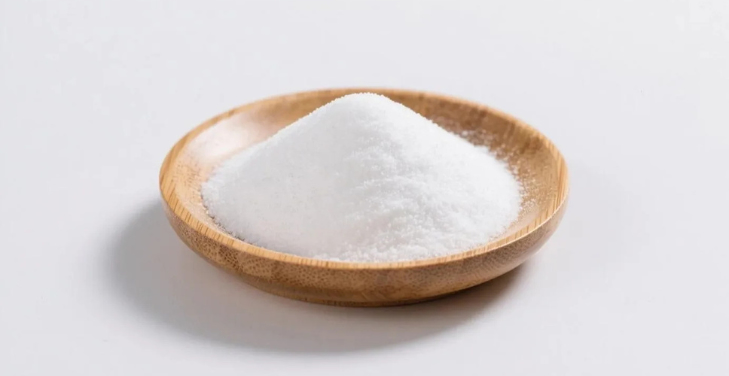
Polydextrose is a low-calorie soluble fiber used to increase fiber content in foods.
What Is Polydextrose?
Polydextrose is a synthetic soluble fiber widely used in the food industry. This ingredient adds fiber, modifies texture, and supports the development of low-energy-density products.
How Polydextrose Is Made
Manufacturers create polydextrose primarily from glucose through a controlled polymerization process, combined with small amounts of sorbitol and citric acid. This process forms a complex carbohydrate network with many glycosidic bonds.
A Functional Food Ingredient
This unique structure allows polydextrose to pass through most of the digestive tract, providing approximately 1 kcal per gram. Colonic bacteria partially ferment this substance, producing metabolites that are relevant to the gut environment.
Why Manufacturers Use Polydextrose
Manufacturers add polydextrose to nutrition bars, beverages, cereals, dairy products, and baked goods to increase fiber content, provide fullness, improve texture, and support reduced-sugar formulas.
Nutritional Profile of Polydextrose
Polydextrose is a soluble fiber with unique nutritional properties. This component contributes to total fiber intake and provides low energy, making it suitable for many high-fiber food formulations.
Calories and Fiber Content
Polydextrose provides approximately 1 kcal per gram, a relatively low energy level compared to many fully digestible carbohydrates. Its polymer structure allows a large portion of polydextrose to reach the colon, where gut microbiota further process it.
Digestibility and Fermentation
The digestive system absorbs very little polydextrose in its intact form. Gut bacteria partially ferment polydextrose, producing metabolites including short-chain fatty acids (SCFAs). This process increases fiber bioavailability in the colon.
Dietary Fiber Contribution
Polydextrose helps increase the fiber content in foods such as nutrition bars, cereals, beverages, and dairy products. Actual fiber content depends on each product's formulation and serving size.
How Polydextrose Works in the Digestive System
Polydextrose functions in the digestive system through its unique carbohydrate structure and its ability to ferment in the colon. After passing through the upper digestive tract, it continues to interact with water, stool mass, and the gut microbiota.
Movement Through the Gastrointestinal Tract
Polydextrose moves through the stomach and small intestine with limited digestion. Its polymer structure allows a significant portion to reach the colon, where gut microbiota reside at high density.
Fermentation by Gut Bacteria
Gut bacteria use some polydextrose as a fermentation substrate. This process produces short-chain fatty acids (SCFAs) and other metabolites, helping maintain the colon's biological environment.
Effects on Bowel Function
Polydextrose helps increase dietary fiber intake, retains water in the digestive tract, and helps regulate stool volume. Appropriate use can support bowel motility and maintain regular bowel movements.
Potential Benefits of Polydextrose
Polydextrose provides a functional fiber source with multiple roles in nutrition and digestive health. Its effects relate to its bulking ability, water retention, and interaction with the gut microbiota.
Supporting Fiber Intake
Polydextrose helps increase dietary fiber intake through foods such as nutrition bars, cereals, baked goods, and beverages. This supports a diet with appropriate fiber content to meet daily needs.
Promoting Bowel Regularity
Polydextrose increases stool bulk and supports regular bowel activity. Its water retention and fermentation in the colon create a favorable environment for digestive function.
Satiety and Appetite Control
Polydextrose can promote satiety through its fiber content and influence digestion. Several studies have also noted polydextrose's potential to support control of food and energy intake.
Gut Microbiota Research
Fermenting polydextrose produces metabolites such as short-chain fatty acids, opening avenues for research into gut microbiota, colon health, and metabolism.
Polydextrose and Blood Sugar Control
Polydextrose has the properties of soluble fiber and low energy value, making it an attractive component in metabolic nutrition. Its impact on blood glucose relates to the rate of carbohydrate digestion and post-meal glucose response.
Carbohydrate Digestion and Absorption
Polydextrose passes through the digestive tract with limited digestibility and undergoes fermentation in the colon. This characteristic reduces the amount of readily absorbed carbohydrates in diets containing polydextrose.
Post-Meal Glucose Response
Adding polydextrose to certain carbohydrate-rich foods may help control post-meal glucose spikes. Fiber content, food texture, and the overall meal composition all contribute to the glycemic response.
Considerations for Blood Sugar Management
Polydextrose may suit diets focused on fiber and carbohydrate control. People managing blood sugar should consider the total carbohydrate, fiber, serving size, and nutritional content of each product to make appropriate dietary choices.
Polydextrose and Gut Microbiome Health
Polydextrose interacts with the gut microbiome through fermentation in the colon. This makes it a key area of research for fiber, gut bacteria, and metabolites related to digestive health.
Fermentation by Gut Bacteria
Colon bacteria use polydextrose as a fermentation substrate. This activity promotes fiber metabolism and produces many metabolites with biological roles in the gut environment.
Short-Chain Fatty Acid Production
Fermenting polydextrose produces short-chain fatty acids (SCFAs) such as acetate, propionate, and butyrate. These compounds support many colon functions, including providing energy to mucosal cells and regulating the gut environment.
Prebiotic Effects
Current research notes polydextrose's potential to support certain groups of beneficial bacteria and alter microbiome activity. Responses are dose-dependent and depend on overall dietary intake and individual microbiome characteristics.
Common Foods and Products Containing Polydextrose
Polydextrose appears in many processed foods because it adds fiber, provides structure, and helps regulate the formula's calorie content. This ingredient is often present in products aimed at high fiber content.
Protein and Nutrition Bars
Protein bars, nutrition bars, and meal replacements often use polydextrose to increase fiber content, improve texture, and create a feeling of fullness. This ingredient also helps in developing formulas with adjusted sugar or calorie content.
Reduced-Sugar and Processed Foods
Polydextrose is found in baked goods, cereals, beverages, yogurt, and some dairy products. Manufacturers use its bulking properties and fiber content to improve product structure.
Reading Food Labels
Consumers can find "polydextrose" in the ingredient list on food labels. An ingredient's placement depends on how much is used in the recipe, so reading the full label helps you determine the fiber, carbohydrate, and energy content per serving.
Potential Side Effects of Polydextrose
Polydextrose is a fermentable fiber that can affect the colon, so the body may experience some digestive reactions during the adaptation process. The level of response depends on consumption, diet, and individual fiber tolerance.
Gas and Bloating
Gut bacteria ferment polydextrose and produce gas during metabolism. High consumption may increase bloating, abdominal distension, or a feeling of fullness in people with sensitive digestive systems.
Changes in Bowel Movements
Polydextrose can affect stool water content and volume, altering the frequency or nature of bowel movements. Some people may notice softer stools when increasing fiber intake.
Effects of Higher Intake
Large amounts of polydextrose over a short period may increase digestive symptoms such as bloating, abdominal pain, or loose stools. Gradually increasing fiber intake helps the digestive system adapt more easily.
How Much Polydextrose Is Appropriate?
The appropriate amount of polydextrose depends on total fiber intake, diet, and individual tolerance. Proper use helps the body adapt to fermentable fiber and maintain stable digestive function.
Individual Intake Factors
Intake requirements vary by serving size, nutritional goals, and the amount of polydextrose in different foods. Adults should monitor total daily fiber intake and serving sizes on product labels.
Gradually Increase Polydextrose Intake
Gradually increasing polydextrose intake helps the digestive system adapt to fermentation in the colon. This approach is especially helpful for people on a previously low-fiber diet.
Hydration and Fiber Balance
Drinking enough water supports stool formation and movement through the intestines. A diet rich in vegetables, fruits, whole grains, and other fiber sources helps build a diverse total fiber intake.
Multiple Food Sources
When multiple products contain polydextrose, users should add up the total amount from all servings throughout the day. This method helps monitor fermentable fiber intake and maintain appropriate tolerance levels.
Polydextrose Safety and Who Should Use Caution
Polydextrose is commonly found in foods as a functional fiber source and is suitable for many diets when used in appropriate portions. Tolerance depends on intake, total fiber, and individual digestive characteristics.
Digestive Sensitivity
People with sensitive digestive systems should increase polydextrose intake gradually to let the body adapt to fermentation in the colon. High amounts may promote bloating, gas, or changes in bowel movements.
Balanced Dietary Use
Polydextrose should be part of a diet rich in vegetables, fruits, whole grains, and other natural fiber sources. Drinking enough water helps support bowel function when increasing fiber intake.
Checking Food Labels
Reading ingredient lists and nutritional information helps determine the amount of polydextrose and total fiber in each serving. Individuals with digestive conditions or special nutritional needs should consult with a healthcare professional to determine the appropriate dosage.
Conclusion
Polydextrose is a synthetic soluble fiber valuable in many food formulations, particularly due to its low energy content and its ability to ferment in the colon.
This ingredient supports fiber supplementation, promotes bowel activity, and produces metabolites from fermentation.
Using appropriate serving sizes, gradually increasing intake, and staying well hydrated optimizes tolerability. A varied diet remains fundamental to long-term digestive health.
Frequently Asked Questions (FAQs)
- What Is Polydextrose? – Polydextrose is a synthetic soluble fiber made from glucose and related components. It provides about 1 kcal per gram, can increase fiber intake, and is fermented by bacteria in the colon.
- Is Polydextrose Good for Digestion? – Polydextrose can support digestive function by retaining water, increasing stool volume, and undergoing fermentation by gut bacteria. This process produces metabolites such as short-chain fatty acids that contribute to the colon environment.
- Does Polydextrose Affect Blood Sugar? – Polydextrose may help moderate the postprandial glucose response when included in carbohydrate-containing foods. Its fiber structure and limited digestibility can influence the rate of carbohydrate absorption.
- Can Polydextrose Cause Side Effects? – Polydextrose may cause bloating, abdominal discomfort, or changes in bowel motility, particularly when intake increases rapidly. Gradually increasing the amount can help the digestive system adapt to fermentation.
- How Much Polydextrose Should You Consume? – The appropriate amount of polydextrose depends on total fiber intake, portion sizes, and individual tolerance. Gradually increasing fiber intake, consuming a variety of fiber-rich foods, and drinking adequate water can support digestive function.
