
Do you know what signs actually indicate the presence of bed bugs in your sleeping space? Just a few black dots on the sheets, small bloodstains, or itchy bite marks can provide significant clues.
Bed bugs often hide in mattress seams, bed frames, and narrow crevices. Carefully observing their tracks, hiding places, and characteristics helps identify infestations early, allowing for timely control and limiting population spread.
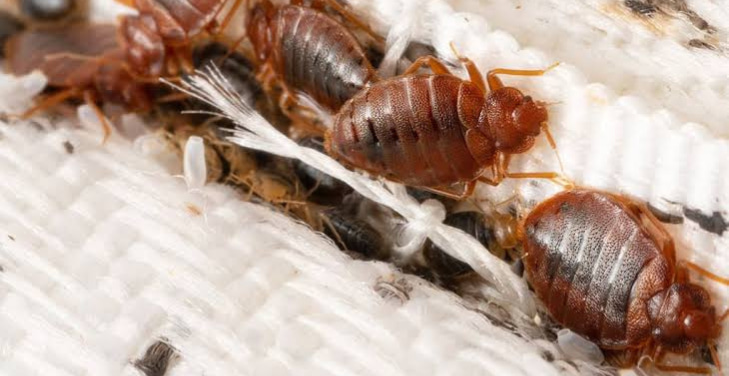
Bed bugs leave behind bites, dark fecal spots, shed skins, eggs, and bloodstains.
What Are Bed Bugs?
Bed bugs are small, parasitic insects that feed on human blood and are most active at night. They hide deep in areas near sleeping places, making it easy for them to access their hosts to feed.
Definition and Common Species
Bed bugs belong to the family Cimicidae, with Cimex lectularius being the most common species in many parts of the world. Cimex hemipterus is also widespread in tropical regions, including Southeast Asia. Adult bodies are oval, flattened, reddish-brown, and about 4–7 mm long.
Appearance, Size, and Feeding Habits
Adult bed bugs feed on blood using specialized mouthparts. After each feeding, their bodies become fuller and darker. Young bed bugs go through several developmental stages and require blood to continue growing.
Why Bed Bugs Hide Near Sleeping Areas
Bed bugs typically congregate around mattresses, bed frames, headboards, wall crevices, and furniture near sleeping areas. Body odor, temperature, and carbon dioxide from sleepers help them locate food sources.
What Do Bed Bugs Look Like?
Bed bugs have a distinctive appearance with a flattened, oval body and a reddish-brown color. Their size and body characteristics help identify them during bedroom inspections.
Adult Bed Bug Characteristics
Adult bed bugs are typically about 4–7 mm long, roughly the size of an apple seed. Their flattened body, six legs, two short antennae, and segmented abdomen create a recognizable shape. After feeding on blood, the bed bug's abdomen swells and turns dark red.
Nymphs and Newly Hatched Bed Bugs
Nymphs are smaller, with slender bodies and an off-white or pale yellow color. After each molt, they grow larger and gradually develop their characteristic brown color. Newly hatched bed bugs are usually only about 1 mm long.
Eggs, Shed Skins, and Identifying Features
Bed bug eggs are off-white, oval-shaped, and about 1 mm in size. Shed shells appear around the shelter, providing an important additional clue when inspecting mattresses, bed frames, and small crevices.
Common Signs of Bed Bugs in Your Home
Bed bugs often leave many small traces around the sleeping area. Carefully examining bedding, mattresses, and furniture can help detect characteristic signs of their presence.
Blood Stains on Bedding
Small blood spots may appear on bed sheets, pillowcases, or sleepwear. These stains usually form when the bed bug's body is compressed while the sleeper turns over.
Dark Fecal Spots
Bed bug feces appear as dark brown or black spots on mattresses, bed sheets, and in crevices near the bed. They contain digested blood and often form small clusters around where the bed bugs hide.
Shed Skins and Eggs
Pale yellow molted skins, off-white eggs, and small eggshells often appear in mattress seams, bed frame crevices, or furniture corners. These signs reflect the growth of a bed bug population.
Musty Odors in Severe Infestations
High-density bed bug infestations can produce a musty, slightly sweet, or distinctive pheromone-based odor. The smell is usually concentrated in the hiding places and becomes more pronounced as the number of bed bugs increases.
What Do Bed Bug Bites Look Like?
Bed bug bites typically cause small, itchy skin lesions concentrated on areas exposed to the environment during sleep. The body's reaction varies from person to person, so skin characteristics should be considered along with other signs.
Red, Itchy Bumps
Bite marks usually appear as red, slightly swollen, itchy bumps. Some people experience persistent itching for several days, accompanied by irritation or a mild burning sensation in the affected area.
Common Bite Patterns and Locations
Bite marks are often concentrated on the arms, legs, shoulders, neck, face, or areas of skin exposed to the environment during sleep. In some cases, multiple marks appear close together, forming clusters or a continuous line on the skin.
Why Bite Appearance Requires Careful Assessment
The shape of the bite marks provides initial clues for identifying bed bugs. Allergies, mosquitoes, fleas, and many other factors can also cause similar itchy rashes. Checking the mattress, bedding, and sleeping area will help provide a more accurate assessment.
Where Do Bed Bugs Hide?
Bed bugs prefer hidden, dark places near where people rest. Their ability to hide in small crevices allows them to maintain their colonies and access food sources easily at night.
Mattress Seams and Box Springs
Seams, mattress edges, mattress corners, and the underside of mattresses create ideal hiding places. Bugs also congregate inside box springs, especially around folds, corners, and protective fabric.
Bed Frames and Headboards
Bed frames, headboards, screws, and joints provide numerous narrow crevices for bugs to hide in. These locations are often close to the sleeper's body, making it easy for bugs to find a host.
Furniture, Curtains, and Wall Gaps
Bugs can hide in drawers, upholstered furniture, curtains, baseboards, floor cracks, and wall crevices. As their colonies grow, they expand their hiding places to objects near the bed.
How to Inspect Your Bedroom for Bed Bugs
Systematically inspecting your bedroom helps detect bed bugs, eggs, molted shells, and characteristic tracks. A bright flashlight and careful observation will aid in searching hard-to-reach areas.
Check Bedding and Mattress Seams
Remove bedsheets and carefully inspect seams, edges, corners, fabric labels, and the underside of the mattress. Look for dark brown fecal spots, small blood stains, off-white eggs, molted shells, or adult bed bugs.
Inspect Nearby Furniture and Cracks
Inspect the headboard, bed frame, bedside table, drawers, and joints. Move objects gently, focusing on dark areas near the bed.
Use a Flashlight and Detection Tools
Shine a flashlight at an angle to highlight insects and tracks on surfaces. Place an interceptor under the bed to collect moving bed bugs and help track their activity over time.
How to Tell Bed Bugs Apart From Other Pests
Correctly identifying the insect species helps guide appropriate treatment. Bed bugs have distinctive shapes, sizes, and behaviors, providing a crucial basis for home inspection.
Bed Bugs, Fleas, and Ticks
Adult bed bugs have an oval, flattened body, are reddish-brown in color, and are about 4–7 mm long. Fleas are usually small, with narrow bodies and well-developed hind legs that aid jumping. Ticks have round or teardrop-shaped bodies, eight legs, and cling to their hosts.
Identifying Insects by Physical Characteristics
Observing the number of legs, body shape, color, and size helps differentiate the insect groups. Bed bugs have six legs, two antennae, and a clearly segmented abdomen. Eggs, molted shells, and fecal spots around the sleeping area provide further evidence for identification.
When Professional Identification Helps
Insect control professionals can identify specimens based on morphological characteristics and signs at their hiding places. Accurate identification results support the selection of treatment methods appropriate to the level of infestation.
Can You Have Bed Bugs Without Seeing Them?
Bed bugs can exist in bedrooms in small numbers and hide deep in narrow crevices. Their nocturnal activity makes direct detection difficult, especially in the early stages.
Early Infestations and Hidden Populations
Newly formed populations often concentrate around mattress seams, bed frames, headboards, and furniture crevices. The small size of young bugs allows them to easily hide in very tight spaces.
Delayed Skin Reactions
Skin reactions after bites can appear at different times from person to person. Some people notice red, itchy, or swollen spots a few days after the bugs feed, making it difficult to pinpoint the exact time of contact.
Signs That Warrant Further Inspection
Dark fecal spots, small blood stains on sheets, eggs, molted shells, and a distinctive odor around the sleeping area all provide important clues. The simultaneous appearance of multiple signs prompts a thorough inspection of the mattress, bed, and nearby furniture.
How to Confirm a Bed Bug Infestation
Confirming the presence of bed bugs requires direct evidence from the insects or characteristic signs around the sleeping area. Systematic inspection helps increase the accuracy of the identification process.
Collect a Suspected Specimen Safely
Use tweezers or a small tool to collect a sample of the suspected insect. Place the sample in a sealed container or clean plastic bag, record the location where it was found, and keep the sample intact for easy identification.
Use Monitors and Traps
Place interceptor traps under the bed to detect bed bugs moving between the floor and the bed. Regularly monitor the trap tracks, and check the mattress seams and surrounding area for further signs.
When Professional Inspection Helps
A pest control professional can inspect mattresses, bed frames, furniture, and hidden crevices using specialized equipment. Correctly identifying the species helps choose the appropriate treatment and limit the long-term spread of the infestation.
What to Do If You Find Bed Bugs
Early detection of bed bugs helps control the extent of the infestation and limit population growth. A step-by-step approach, maintaining hygiene in the sleeping area, and monitoring for new signs lay the foundation for effective control.
Isolate Bedding and Belongings
Collect sheets, blankets, pillowcases, and clothing near suspected infested areas, then place them in sealed bags before moving. Wash and dry at the appropriate temperature, according to the manufacturer's instructions, to kill bed bugs and their eggs.
Avoid Actions That Spread the Infestation
Keep infested items in a controlled area and limit moving mattresses, beds, or furniture to other rooms. Uncontrolled movement can spread bed bugs to new locations.
Professional Treatment and Follow-Up
Professional pest control services can assess the extent of the infestation and develop a treatment plan. Subsequent inspections help detect any remaining bed bugs and assess the effectiveness of the control measures.
Conclusion
Bed bugs often leave characteristic signs such as blood stains on sheets, dark fecal spots, eggs, molted shells, and insects hidden in crevices near the bed. Itchy bites also provide further clues about possible exposure.
Thoroughly inspect mattresses, bed frames, headboards, and furniture for signs of infestation. Early detection, safe sample collection, and professional control support effective pest control and limit their spread throughout the home.
Frequently Asked Questions (FAQs)
- How do you know if you have bed bugs? – Common signs include dark fecal spots, small blood stains on sheets, eggs, molted shells, and live bed bugs around mattresses or bed frames. Itchy bites can provide additional clues when multiple signs occur together.
- Can you have bed bugs without seeing them? – Bed bugs can hide deep within mattress seams, bed frame crevices, and nearby furniture. Fecal spots, eggs, molted shells, and blood stains can reveal activity when live insects are difficult to observe.
- What do bed bug bites look like? – Bed bug bites often appear as red, itchy, slightly swollen bumps on exposed skin. They may occur in clusters or lines, although skin reactions vary between individuals and should be considered alongside environmental evidence.
- Where do bed bugs hide? – Bed bugs commonly hide in mattress seams, box springs, bed frames, headboards, and small crevices. Larger infestations can spread to drawers, upholstered furniture, curtains, baseboards, and other enclosed spaces near sleeping areas.
- How can you confirm a bed bug infestation? – Confirmation involves finding bed bugs, eggs, molted shells, or characteristic signs around sleeping areas. Interceptor traps can help monitor activity, while pest control professionals can identify specimens and assess infestation extent.
