
Recent studies have continued to expand our understanding of red clover and isoflavone compounds for human health. Many nutritionists and endocrinologists consider this a topic requiring comprehensive evaluation, particularly regarding efficacy, safety, and factors affecting different population groups.
Scientific reviews published in reputable medical journals indicate that optimal results from red clover use are achieved when based on clinical evidence, appropriate dosage, and regular health monitoring. This perspective helps individuals make informed decisions and use the product with a high degree of safety.
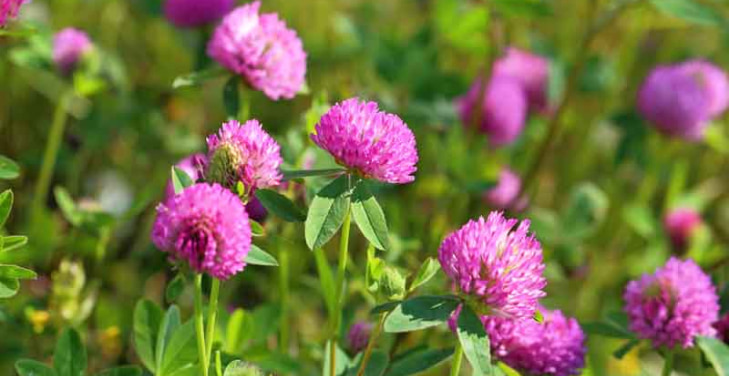
Fresh red clover blossoms illustrating a popular herbal remedy with important safety considerations and precautions.
What Is Red Clover?
Red clover is a phytoestrogen-rich medicinal herb widely studied in the fields of women's health and nutrition. Its diverse chemical composition and long history of use have led to its inclusion in many modern herbal products.
Botanical Characteristics
Red clover (Trifolium pratense) belongs to the Fabaceae family and grows in Europe, West Asia, and North America. The plant has characteristic purplish-pink flower clusters and leaves with three leaflets and bright V-shaped streaks. The flowers and young shoots contain many bioactive compounds and are often harvested for processing into tea or extracts.
Key Bioactive Compounds
Red clover contains a group of isoflavones, including biochanin A, formononetin, daidzein, and genistein. These compounds are involved in many physiological processes related to endocrine, bone, and cardiovascular health. The herb also provides flavonoids and many other bioactive antioxidants.
Common Supplement Forms
Red clover is available in various forms to meet different needs. Herbal teas, capsules, tablets, and liquid extracts are all popular. Each form contains different levels of the active ingredient, so users should choose a product that suits their health goals.
How Red Clover Affects the Body
Red clover affects many physiological systems through its bioactive plant compounds. The level of response depends on age, hormones, health status, and individual metabolism.
Phytoestrogen Activity
Isoflavones in red clover bind to estrogen receptors and participate in regulating many biological processes. This activity affects bone metabolism, vascular function, connective tissue, and several endocrine-related mechanisms. The body absorbs, metabolizes, and utilizes these compounds through the gut microbiota and liver.
Hormonal Influence
Red clover contributes to changes in the endocrine environment by influencing estrogen signaling. This effect has attracted much attention in studies on premenopausal and menopausal symptoms. The intensity of the response varies depending on natural hormone levels, dosage, and individual metabolic characteristics.
Common Side Effects of Red Clover
Most adults tolerate red clover quite well when used at the correct dosage. However, some side effects may still appear during the initial stages or when the body is sensitive to the herb's active ingredients.
Digestive Discomfort
Some people experience bloating, indigestion, nausea, or mild abdominal pain after using red clover. These symptoms usually appear initially as the digestive system adapts to the herbal ingredients. Taking it with meals helps the digestive system function more smoothly.
Headaches and Skin Reactions
Mild headaches, dizziness, or rashes may occur. Skin may sometimes itch or become irritated due to a reaction to the plant-based active ingredients. These symptoms should be monitored to assess the body's tolerance.
Menstrual Changes
The phytoestrogen activity of red clover may affect the menstrual cycle in some women. Menstrual cycles, blood flow, or breast tenderness may sometimes change during use. These manifestations reflect an individual's hormonal response.
Serious Red Clover Dangers and Health Risks
While many people use red clover safely in the short term, some serious risks still need to be considered. These risks mainly relate to effects on blood clotting, liver function, and the endocrine system.
Bleeding Risk
Red clover contains naturally occurring coumarin, a compound that can affect blood clotting. Users may experience prolonged bruising or bleeding as the hemostasis mechanism changes. This risk increases with higher doses or longer periods of use.
Liver and Hormonal Concerns
The liver plays a crucial role in metabolizing the active ingredients in red clover, so it needs to function efficiently to maintain biological balance. Some cases have reported elevated liver enzymes after using the herb. Additionally, the phytoestrogen activity of red clover affects estrogen-sensitive tissues, so individuals with hormone-dependent conditions should carefully assess their condition before supplementation.
Drug Interactions You Should Know
Red clover contains many bioactive compounds, so it has the potential to interact with several common drug classes. Understanding these interactions helps reduce the risk of treatment efficacy being altered and supports the safer use of the herbal remedy.
Anticoagulants and Antiplatelet Drugs
Red clover can affect blood clotting due to the presence of naturally occurring coumarin. When combined with anticoagulants or antiplatelet drugs, the risk of bleeding and bruising increases. Patients being treated with these medications should be closely monitored by their doctor throughout treatment.
Hormon-Related Medications
The phytoestrogen activity of red clover may alter the response to hormone therapy or drugs that affect estrogen. This interaction affects treatment efficacy and should be evaluated before combination therapy. Choosing the appropriate dosage helps optimize benefits and reduce the risk of adverse effects.
Who Should Avoid Red Clover?
Red clover offers many medicinal benefits; however, certain groups should carefully consider their use. Their medical conditions, physiological state, and medications they are taking determine the appropriateness of this herb.
People With Hormone-Sensitive Conditions
Individuals with estrogen-related conditions should consult their doctor before supplementing with red clover. The herb's phytoestrogen activity may affect hormone-sensitive tissues and alter treatment responses. Assessing individual risk helps in choosing a safer option.
Pregnant and Breastfeeding Women
Pregnant and breastfeeding women prioritize hormonal stability throughout fetal and infant development. Data on the long-term safety of red clover in these groups is limited, so a doctor's opinion is crucial before use.
People Scheduled for Surgery
Patients preparing for surgery should inform their doctor about their use of red clover. This herb's effects on blood clotting may affect bleeding control during and after surgery. Pre-procedure assessment helps develop an appropriate treatment plan and increases safety.
Can Long-Term Red Clover Use Be Harmful?
Long-term use of red clover requires scientific evidence and regular health monitoring. Many studies continue to evaluate the effectiveness and safety of this herb in long-term supplementation.
Hormonal Effects Over Time
Isoflavones in red clover have a long-lasting effect on estrogen-responsive tissues. The intensity of the effect depends on the dosage, duration of use, and individual metabolic characteristics. Regular assessments help monitor changes in the endocrine system and support adjustments to the usage plan.
Liver and Overall Health Monitoring
The liver plays a role in metabolizing the active ingredients in red clover throughout its use. Monitoring liver function and overall health helps detect early biological changes. Regular check-ups also help assess the effectiveness of supplementation, optimize dosage, and maintain safety over the long term.
How to Reduce the Risk of Side Effects
Using red clover correctly enhances its effectiveness and minimizes the risk of side effects. Choosing a quality product, using the correct dosage, and monitoring your health are fundamental to safe supplementation.
Choose Standardized Products
Standardized products have a stable isoflavone content and a clear manufacturing process. Transparent origins and rigorous testing enhance reliability and maintain consistency across production batches.
Follow Recommended Dosage
The appropriate dosage helps your body adapt to the active ingredients in red clover. Following the manufacturer's or healthcare professional's instructions helps maintain the effectiveness of supplementation and reduce metabolic stress on the body.
Monitor Your Health
Monitoring changes in digestion, skin, menstrual cycle, or overall health helps assess your body's tolerance. Regular health checkups and consultations with your doctor will help adjust your treatment plan to suit each stage.
Conclusion
Red clover offers many valuable bioactive compounds, but its use requires evidence-based research and individual assessment. Understanding side effects, drug interactions, and risk factors helps individuals proactively develop a safe supplementation plan.
Choosing quality products, adhering to recommended dosages, and monitoring health regularly contribute to improved effectiveness. Consulting with healthcare professionals helps determine the appropriate level for each health condition, thereby protecting the body and maintaining the long-term benefits of red clover.
Frequently Asked Questions (FAQs)
- Is Red Clover safe for daily use? – Red Clover may be suitable for daily use by some adults when taken at the recommended dosage and for an appropriate duration. A healthcare professional can assess medical history, current medications, and health goals to determine whether supplementation is appropriate.
- Does Red Clover increase the risk of bleeding? – Red clover contains naturally occurring compounds that may influence blood clotting in some individuals. The potential risk may be greater for people taking anticoagulant or antiplatelet medications, so medical guidance is recommended before use.
- Who needs to be cautious when using red clover? – People with hormone-sensitive conditions, individuals preparing for surgery, pregnant or breastfeeding women, and those receiving hormone replacement therapy should consult a healthcare professional before using red clover.
- Is it advisable to use red clover long-term? – Long-term use of red clover should be guided by a healthcare professional and accompanied by regular health monitoring. Periodic evaluation of overall health and individual response can help support safe and appropriate supplementation.
- How to reduce the risk of red clover side effects? – Choose a high-quality product, follow the recommended dosage, read the label carefully, and monitor for any changes while using red clover. Regular medical checkups can also help ensure that supplementation remains appropriate for your health needs.
