
Have you ever wondered what effects a convenient cooking appliance like an air fryer can have when used at high temperatures?
Air fryers use hot air to cook food, promoting color development, altering nutritional structure, and forming certain heat-induced compounds. Acrylamide, fat oxidation, charring, and coating degradation are all concerns.
Controlling temperature and time, and maintaining hygiene, are crucial for safe use.
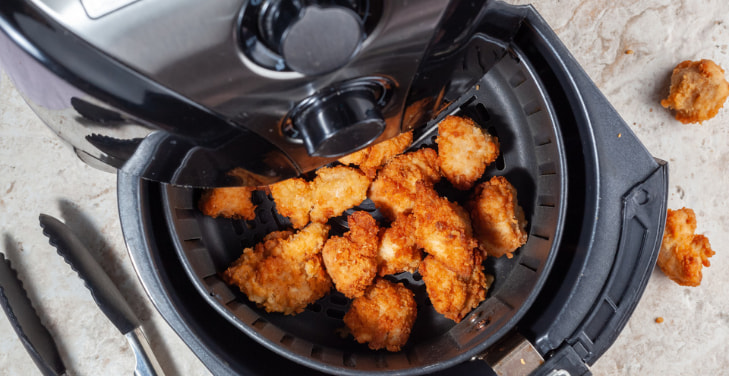
Air fryers can create heat-related compounds, requiring proper cooking temperatures and safe usage practices.
What Are Air Fryers?
Air fryers are cooking appliances that use a rapid flow of hot air to cook food, creating a crispy golden surface with minimal added oil. This mechanism focuses on high temperature, air circulation speed, and cooking time.
Hot Air Circulation
The heating element generates heat, then a fan continuously distributes hot air around the food. The fast-moving air helps to distribute heat evenly, promoting cooking and browning.
Cooking and Browning
Temperatures typically remain high, suitable for potatoes, meat, fish, vegetables, and many frozen foods. When the food surface reaches the appropriate temperature, the Maillard reaction produces a brown color, aroma, and characteristic flavor.
Food Preparation
Users can adjust the temperature, time, and amount of oil depending on the type of food. This operation helps control the cooking process and reduces the amount of added fat in many recipes.
How Air Fryers Affect Food During Cooking
Air fryers affect food through high temperatures, a continuous flow of hot air, and the loss of surface moisture. These factors alter the texture, color, flavor, and chemical composition of food during cooking.
High-Temperature Cooking
Heat from the heating element is rapidly transferred to the food, promoting water evaporation and drying the surface. High temperatures also trigger chemical reactions that create browning and characteristic aromas.
Changes in Carbohydrates and Proteins
Starches undergo gelatinization, breakdown, and structural changes when heat is applied for an extended period. Proteins change their spatial structure, coagulate, and contribute to the formation of a firm surface layer.
Fat Oxidation
High temperatures promote lipid oxidation, especially in high-fat foods or when using oils with low smoke points. Cooking time, temperature, and type of oil all affect the extent of this change.
Acrylamide Formation in Air-Fried Foods
Acrylamide forms in some carbohydrate-rich foods during high-temperature cooking, particularly on the surface of foods that dry out and brown. This substance is involved in the Maillard reaction, which causes various changes in color, aroma, and flavor.
High-Heat Cooking
High temperatures promote the reaction between the amino acid asparagine and reducing sugars in food. Potatoes, bread, and grain products can form acrylamide when cooked at high temperatures for a sufficiently long time.
Browning and Acrylamide Levels
Darker browning on the surface often indicates a more intense Maillard reaction. Prolonged cooking time, high temperatures, and low surface moisture can promote acrylamide formation.
Practical Cooking Control
Cutting food into uniform sizes and controlling temperature and cooking time helps limit excessive browning. Prioritizing a pale yellow color and monitoring the surface during cooking helps control the amount of acrylamide formed.
Potential Health Concerns from Overheating
Excessive heat and prolonged cooking times can promote many chemical changes in food. This is especially noticeable when the food surface turns dark brown or charred areas appear.
Excessive Cooking Temperatures
High heat promotes the Maillard reaction and fat oxidation, and increases the likelihood of forming certain heat-related compounds. Starchy and reducing sugar foods often undergo more noticeable surface changes.
Burning and Charring
Burning food produces compounds that can be harmful to health. Charred areas contain many heat-decomposition products, especially when food is exposed to high heat for extended periods.
Safe Temperature Control
Adjusting the temperature appropriately for each type of food helps control the heating process. Monitoring the color, texture, and cooking time helps to prevent overheating, while maintaining the nutritional quality and sensory appeal of the dish.
Harmful Compounds and Cooking Oils
Cooking oils are directly affected by high temperatures during air frying. As temperature increases and heating time is prolonged, fats can undergo oxidation, producing breakdown products that affect food quality.
Fat Oxidation
Heat promotes lipid oxidation, especially in oils rich in unsaturated fatty acids. This process produces lipid peroxides and secondary oxidation products and alters the oil's smell, taste, and chemical properties.
Cooking Oil Selection
Oils with smoke points suitable for the cooking temperature help maintain stability during heating. Avocado oil, refined olive oil, and canola oil can be suitable for a wide range of temperatures depending on the specific recipe and product.
Temperature and Oil Control
Controlling temperature, cooking time, and oil quantity helps limit lipid breakdown. Using fresh oil, storing it properly, and avoiding prolonged heat exposure all help maintain the dish's quality.
Air Fryer Coating and Chemical Exposure
The coating on the basket and tray of an air fryer is often in direct contact with heat, oil, and food. Material quality, operating temperature, and surface condition determine the stability of the coating during use.
Nonstick Coatings
Some appliances use nonstick coatings based on polymer materials, such as PTFE. When used under the appropriate temperature conditions as directed by the manufacturer, the coating maintains its stability and facilitates cleaning.
Damaged Surfaces
Scratches, chipping, or degradation alter the condition of the food-contacting surface. Metal utensils and scouring pads can damage the coating, so silicone or wooden utensils are more suitable for handling and flipping food.
Safe Handling
Cleaning gently, inspecting the basket regularly, and replacing parts when the coating shows noticeable degradation helps maintain safe use. Controlling the temperature according to the equipment's specifications also helps protect the material during cooking.
Are Air Fryers Safe for Everyday Use?
Air fryers can become part of your daily cooking routine when you control the temperature, time, and condition of the appliance. Safety depends on how it's operated, the type of food, and the hygiene conditions throughout the cooking process.
Temperature Control
Choosing the right temperature for each type of food helps control the heating process and prevent burning. Appropriate cooking times also help maintain food quality and reduce the formation of compounds that can result from excessively high temperatures.
Food Preparation
Cutting food evenly helps distribute heat more evenly during cooking. Starchy foods should be monitored for color to control acrylamide formation as the surface browns.
Regular Maintenance
Regularly cleaning the basket, tray, and heating element helps remove accumulated grease and food debris. Regular inspection of wiring, plugs, and coatings also helps maintain safe operating conditions.
Common Air Fryer Safety Hazards
Air fryers generate high temperatures and consume electricity throughout their operation. These factors require users to pay attention to the appliance's placement, the condition of the power cord, and how to handle food after cooking.
Burns and Hot Surfaces
The frying basket, tray, and surfaces near the heating element reach very high temperatures. Hot steam escaping when opening the basket can cause burns, especially to the face and hands. Heat-resistant gloves are helpful when handling food.
Fire Risks
Grease buildup, food scraps, and excessive heat can create conditions that lead to fires. Placing the appliance on a flat, well-ventilated surface and maintaining a safe distance from flammable materials helps reduce this risk.
Electrical Safety
The power cord, plug, and socket must be kept intact during use. Regularly inspect the appliance and adhere to the manufacturer's recommended power rating for safe operation.
Who Should Be More Careful With Air Fryers?
Some groups of people need to be more careful when using air fryers due to age, operating experience, or dietary needs. The placement of the appliance, temperature control, and handling of hot food are crucial during use.
Children and Older Adults
Children need adult supervision when handling high-temperature appliances. Older adults should operate slowly when removing the basket, opening the tray, and handling hot steam to reduce the risk of burns or spills.
People With Dietary Considerations
Those who control their fat, carbohydrate, or calorie intake need to pay attention to the ingredients and the amount of oil used. Starchy foods like potatoes and bread require careful control of temperature, cooking time, and browning.
People With Limited Cooking Experience
New users should carefully read the appliance's instructions, select the appropriate program, and monitor the food during the first few uses. Checking the power cord, frying basket, and the surface on which the appliance is placed helps maintain safe operating conditions.
How to Use an Air Fryer More Safely
Using an air fryer safely requires coordinated control of temperature, cooking time, cleaning, and equipment condition. Proper operating habits reduce the risk of food burning, burns, and grease buildup.
Control Temperature and Cooking Time
Choosing the appropriate temperature for each type of food and monitoring the cooking time helps control the heating process. Starchy foods should be lightly browned, while burnt areas should be removed before eating.
Keep the Air Fryer Clean
Regularly cleaning the frying basket, tray, and heating area helps limit grease and food debris buildup. Clean surfaces help maintain performance and reduce the risk of smoke or burnt odors.
Maintain Proper Ventilation
Place the air fryer on a flat, stable surface and ensure adequate ventilation around the appliance. Regular inspection of electrical wires, plugs, and coatings helps detect early signs of deterioration, supporting safe usage.
Conclusion
Air fryers create a high-temperature environment that accelerates the cooking process, deepens the color of the food, and generates certain compounds. Acrylamide, a byproduct of fat oxidation, and substances formed when food is charred are notable factors to consider.
Controlling temperature, cooking time, and the degree of browning helps reduce the risks associated with the heating process. Regularly cleaning the appliance, maintaining the coating, and checking the electrical system also contribute to safety.
Following the instructions correctly makes the air fryer a convenient appliance in your daily diet.
Frequently Asked Questions (FAQs)
- Are air fryers safe for everyday cooking? – Air fryers generally support safe everyday cooking when users follow temperature recommendations, monitor cooking time, keep components clean, and inspect electrical parts regularly. Proper food preparation also helps manage excessive browning and overheating.
- Do air fryers create acrylamide? – Air frying can produce acrylamide in carbohydrate-rich foods such as potatoes and bread when high temperatures trigger reactions between asparagine and reducing sugars. Managing temperature, cooking time, moisture, and browning can reduce formation.
- Can air fryers release harmful chemicals? – Chemical exposure depends on appliance materials, coating condition, temperature, and equipment quality. Following manufacturer guidelines and avoiding excessive heating or damaged coatings supports safer use.
- Are foods cooked in air fryers harmful? – Heavily browned or charred foods can contain increased levels of compounds produced during intense heating. Monitoring food color and removing severely burned portions supports safer eating habits.
- How can air fryers be used more safely? – Use recommended temperatures and cooking times, maintain ventilation, clean the basket regularly, and keep the appliance away from combustible materials. Inspect cords and coatings and follow manufacturer instructions.
