
A small fan in the bedroom often provides immediate relief, but its effects on the body can last for hours. Interestingly, this device, which promotes comfortable sleep, also affects mucous membrane moisture, air circulation, and thermoregulation.
From dry eyes and nasal congestion to muscle tension or respiratory irritation, many physiological responses occur subtly while the body rests. Understanding these potential risks will help you use your fan more effectively and create a healthy, balanced, and comfortable sleep environment every night.
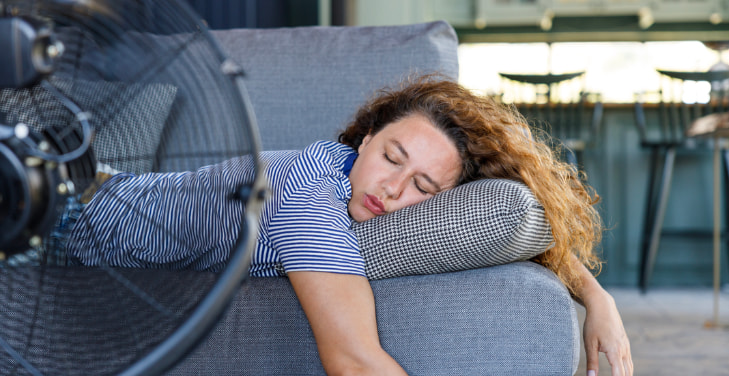
Continuous airflow may contribute to dry eyes, skin, and nasal passages.
What Does It Mean to Sleep With a Fan Blowing All Night?
Many people leave fans on all night to create a cool, comfortable feeling and maintain a stable sleeping environment. When a fan runs continuously for many hours, the airflow circulates throughout the room and comes into contact with the body throughout the entire sleep cycle. This affects skin temperature, mucous membrane moisture, and the quality of the air breathed.
Continuous Airflow Exposure
The continuous airflow creates a constant movement of air around the body. Throughout the night, the skin, eyes, nose, and respiratory tract are exposed to a steady flow of air. The degree of impact depends on the fan speed, the distance from the fan, and the direction of the airflow.
Effects on Body Temperature
The body regulates temperature to support different stages of sleep. Fans promote heat dissipation through air circulation on the skin's surface. Room temperature, ambient humidity, and airflow intensity all contribute to shaping the feeling of comfort during sleep.
Changes in Indoor Air Movement
Fans move small dust particles, pollen, pet dander, and other airborne components. This circulation directly affects the bedroom's respiratory environment and contributes to the characteristic sleep experience when using a fan overnight.
Can Sleeping With a Fan Trigger Allergy Symptoms?
For many people with sensitive constitutions, a fan running all night can contribute to or worsen allergy symptoms. The continuous airflow stirs up microscopic particles in the bedroom, causing them to circulate more intensely and easily come into contact with the respiratory tract, eyes, and skin for hours on end.
Airborne Allergen Circulation
The fan blades create a swirling airflow that disperses fine dust, pollen, mold spores, and pet dander throughout the space. These agents easily enter the nose and throat while sleeping. The level of exposure increases when the bedroom accumulates a lot of dust or is not cleaned regularly.
Nasal and Eye Irritation
The presence of allergens in the airflow can irritate the nasal mucosa and conjunctiva. Many people experience nasal itching, sneezing, runny nose, or itchy eyes immediately after waking up. These reactions often directly affect how comfortable they feel in the morning.
Increased Sensitivity During Sleep
During prolonged rest, the body maintains continuous contact with its surroundings. This allows allergens to have a longer impact on the respiratory system, thereby stimulating immune responses and making symptoms more pronounced in sensitive individuals.
Why Does Fan Air Cause Dry Eyes, Nose, and Throat?
The feeling of dry eyes, nose, or throat after sleeping with a fan on often occurs when the continuous airflow alters the moisture levels on the surfaces of sensitive tissues. This happens subtly over several hours and becomes more noticeable upon waking, especially in low-humidity environments.
Increased Moisture Evaporation
The continuous airflow promotes the evaporation of water from the surface of the eyes and respiratory mucous membranes. As the rate of water loss increases, the natural protective film thins, leading to dryness and discomfort.
Impact on Tear Film Stability
The surface of the eyes is covered by a tear film that helps maintain moisture and comfort. Direct airflow to the face causes this film to dissipate more quickly, making the eyes more prone to irritation, burning, or fatigue upon waking.
Nasal Mucosa Dryness
The nasal mucosa needs to maintain moisture to filter dust and warm inhaled air. When air constantly flows across the face, the mucosa loses moisture more quickly, leading to dryness, tightness, or irritation.
Throat Irritation During Sleep
Prolonged air movement affects the moisture in the mouth and throat. People who sleep with their mouths open often experience a dry throat, thirst, or a slight burning sensation in the morning.
Muscle Stiffness and Body Aches from Direct Airflow
Many people wake up with a stiff neck, heavy shoulders, or aching back after sleeping in front of a fan for hours. The concentrated airflow on one area of the body creates small but prolonged physiological changes, affecting muscle relaxation throughout the night.
Cooling Effects on Muscle Tissue
Continuous cool air reduces the temperature of muscle groups directly in the airflow's path. As muscle tissue temperature changes, muscle fibers tend to increase tension and decrease their natural relaxation. This phenomenon causes the body to feel stiff upon waking.
Localized Muscle Tension
Airflow is often concentrated on the neck, shoulders, or back due to prolonged fixed sleeping positions. This prolonged exposure causes the muscles in those areas to remain slightly contracted. Pain, heaviness, or limited movement in the morning often result from this mechanism.
Joint and Soft Tissue Sensitivity
Tendons, ligaments, and the soft tissues surrounding joints also react to changes in ambient temperature. In individuals with high sensitivity, discomfort in the neck, shoulders, or lower back can persist for hours after waking, reducing comfort during early-morning activities.
Could Sleeping With a Fan Worsen Respiratory Problems?
The respiratory system remains active throughout sleep and responds strongly to changes in the ambient air. When a fan runs all night, the continuous airflow can affect the mucous membranes of the airways, the level of exposure to airborne particles, and breathing comfort.
Airway Irritation From Continuous Airflow
Prolonged airflow directly impacts the mucous membranes of the nose, throat, and upper respiratory tract. Changes in humidity in these tissues increase the feeling of dryness, irritation, and discomfort upon waking. Small, repeated reactions over many nights can make the airways more sensitive to environmental factors.
Circulation of Airborne Particles
Fans create a strong circulation of fine dust, pollen, pet dander, and other airborne particles in the bedroom. These particles easily penetrate the respiratory tract during prolonged breathing sessions, thereby increasing the burden on the lungs' natural defense system and mucous membranes.
Impact on Sensitive Individuals
People with sensitive respiratory tracts often feel changes in air quality more acutely. Nasal congestion, mild coughing, throat discomfort, or increased respiratory secretions may occur in the morning after prolonged exposure to continuous drafts.
Fan Noise and Its Impact on Sleep Quality
The sound from a fan has become part of the sleep environment for millions of people. The brain receives and processes sound signals even when the body is at rest. Therefore, fan noise can affect the process of falling asleep, the depth of sleep, and the next day's alertness.
Continuous Sound Stimulation
The sound of a fan creates a stable sound source that lasts throughout the night. The nervous system maintains the reception of acoustic signals during different sleep stages. Sound intensity, vibration frequency, and the placement of the fan all contribute to shaping each person's sleep experience.
Influence on Sleep Cycles
Sleep occurs in several consecutive biological cycles. Environmental sounds help regulate the brain's levels of relaxation and wakefulness. A suitable sound environment supports smooth transitions between sleep stages and helps the body maintain a stable resting rhythm.
Individual Sensitivity to Noise
Each person has a different threshold for perceiving sound. Some individuals quickly adapt to the noise of a fan, while others can clearly perceive even the slightest vibrations from the motor or blades. This sensitivity directly affects the quality of rest and the feeling of energy recovery after sleep.
Risks of Excessive Cooling During Sleep
The body maintains a sophisticated thermoregulation system to support rest and recovery. When a fan creates a continuous stream of cool air for hours, the body's surface temperature gradually decreases. This change affects many physiological responses that occur throughout the night.
Changes in Thermoregulation
Body temperature fluctuates according to its natural circadian rhythm. Strong airflow promotes heat dissipation through the skin and increases the feeling of coolness in areas of direct contact. When the cooling is prolonged, the body mobilizes thermoregulatory mechanisms to maintain homeostasis.
Physical Signs of Excessive Cooling
Some people wake up with cold hands and feet, skin that feels cooler than usual, or muscle stiffness. These symptoms reflect the body's adaptive response to a prolonged low-temperature environment.
Effects on Overnight Comfort
Comfort plays a crucial role in sleep quality. Room temperature, humidity, airflow, and bedding all affect how the body feels. A suitable sleeping environment helps maintain a stable state of relaxation and supports more efficient energy recovery.
Who Faces the Greatest Risks From Sleeping With a Fan?
The impact of sleeping with a fan all night varies among individuals. The sensitivity of the respiratory system, skin, musculoskeletal system, and body temperature regulation determines the degree of impact. Some groups of people experience more pronounced symptoms when exposed to continuous airflow for extended periods.
People with Allergies and Asthma
Those with allergies often react strongly to fine dust, pollen, and pet dander circulating in the air. Fans promote the dispersal of these particles in the bedroom, thereby increasing discomfort in the respiratory tract and nasal mucosa.
Individuals with Dry Eye or Sinus Conditions
People with sensitive eyes or easily irritated sinus mucosa often feel the effects of prolonged airflow more acutely. Dry eyes, dry nose, and a burning sensation in the upper respiratory tract are often more pronounced after a night sleeping under a fan.
Older Adults and People with Musculoskeletal Sensitivity
Older adults and individuals with sensitive muscles or joints are often prone to experiencing muscle stiffness, neck and shoulder pain, or back discomfort after prolonged exposure to cool drafts. These reactions directly impact comfort and mobility at the start of the day.
How to Use a Fan Safely While Sleeping
Fans provide a sense of comfort and help circulate air in the bedroom. When used correctly, this device contributes to a more comfortable resting environment and minimizes unwanted effects associated with prolonged airflow throughout the night.
Optimize Fan Placement
The placement of the fan directly affects the level of body contact with the airflow. A reasonable distance helps distribute the air evenly throughout the room instead of concentrating it on the face, neck, or shoulders. Gentle circulation creates a consistent coolness and helps maintain comfort while sleeping.
Maintain Clean Air Circulation
Dust accumulates on the fan blades and protective grille, easily dispersing into the air when the device is operating. Regular cleaning helps reduce the amount of airborne particles in the room and improves the quality of the air we breathe. A clean environment also contributes to long-term respiratory health.
Balance Temperature and Humidity
Room temperature, ambient humidity, and fan speed all determine the sleep experience. Moderate airflow combined with appropriate humidity helps maintain a comfortable state for the skin, eyes, and mucous membranes. This balance facilitates rest and energy recovery throughout the night.
Use Adjustable Settings
Timer and speed settings allow for more flexible airflow control. Choosing the right airflow level for the weather and personal needs optimizes comfort throughout the night.
Conclusion
Sleeping with a fan blowing all night affects the body through various mechanisms, including air circulation, temperature regulation, mucosal humidity, and the quality of the sleep environment. The degree of impact depends on health status, individual sensitivity, and how the fan is used.
Proper fan placement, maintaining equipment hygiene, and controlling room temperature can enhance comfort during sleep. A balanced resting environment supports quality sleep, promotes natural recovery, and contributes to long-term health.
Frequently Asked Questions (FAQs)
- Is sleeping with a fan on all night harmful? – Sleeping with a fan on all night can influence moisture levels, skin temperature, and air circulation. The overall effect depends on individual health conditions, room environment, and fan settings.
- Can a fan cause a sore throat in the morning? – Continuous airflow can increase moisture evaporation from the mouth and throat, leading to dryness, thirst, or mild throat discomfort after waking.
- Does sleeping with a fan affect allergies? – Fans can circulate dust, pollen, pet dander, and other airborne particles, which may increase exposure and contribute to allergy-related symptoms in sensitive individuals.
- What is the safest way to sleep with a fan? – Positioning the fan to circulate air throughout the room rather than directly at the body, adjusting the speed appropriately, and cleaning the fan regularly can help create a more comfortable sleeping environment.
- Who should be more careful when sleeping with a fan? – People with allergies, sensitive airways, dry eyes, or muscle and joint discomfort may notice stronger effects from overnight fan use and benefit from monitoring their response.
