
The dramatic rise of THC vape products has become a prominent trend in recent years. Modern designs, high THC content, and ease of use have fueled their popularity across many markets.
Alongside this trend, health professionals are increasingly paying attention to the potential impacts on the lungs, brain, and overall health. Understanding the dangers of THC vapes helps users identify risks, assess the level of impact, and make informed decisions to protect their long-term health.
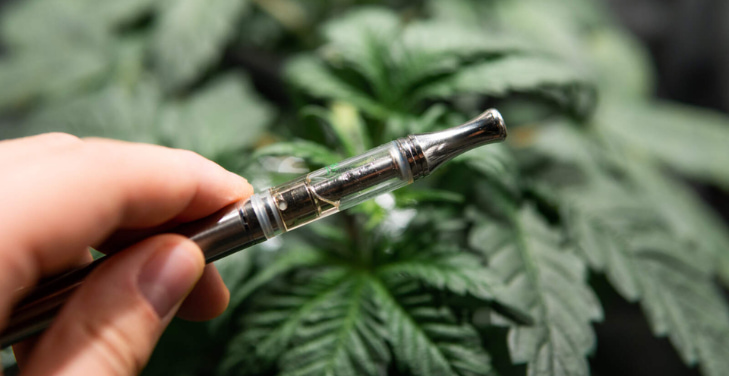
THC vaping products may expose users to respiratory and safety concerns.
What Are THC Vapes?
THC vapes are electronic devices that deliver tetrahydrocannabinol (THC) into the body as an aerosol for users to inhale into their lungs. The rapid growth of the cannabis market has led to the increasing popularity of these products, ranging from disposable vape pens to replaceable cartridge systems.
Types of THC Vape Products
The THC vape market includes various product forms such as vape pens, pod systems, and cartridges containing concentrated THC oil. Each device uses a battery to heat the THC-containing solution, producing a vapor rich in the active ingredient. The THC content in these products is usually quite high, providing a rapid effect after use.
Key Ingredients Inside THC Vapes
THC oil is the main ingredient. Many products also contain terpenes to create flavor and influence the sensory experience. Some formulas add diluents, viscosity enhancers, or flavor compounds to optimize the solution's properties.
How THC Vaping Works
When the device is activated, the heating element heats the THC oil to a temperature sufficient to create an aerosol. The user inhales this aerosol into their lungs, from which the THC quickly enters the bloodstream and affects the central nervous system. This rapid absorption mechanism explains why the effects of THC vaping often appear within minutes.
Why THC Vapes Have Raised Health Concerns
THC vapes have become a topic of intense concern in the medical community in recent years. Their increasing popularity, high THC content, and the variety of products on the market have spurred much research into their short-term and long-term health effects.
Rapid THC Delivery to the Brain
THC from aerosols enters the lungs and is quickly absorbed into the bloodstream. This process creates significant THC concentrations in a short time, directly affecting brain regions that control memory, concentration, emotions, and reflexes. Many people experience intense euphoria, altered perception, or impaired situational awareness immediately after use.
Concerns About Product Composition
Many THC vape products contain a mixture of concentrated oils, terpenes, flavorings, and other additives. This diverse composition has increased scientific attention to product quality and ingredient purity. Compounds heated to high temperatures can produce byproducts that affect the respiratory tract.
Growing Use Among Young People
The appeal of its compact design, rich flavors, and discreet use has attracted many teenagers and young adults. This group is undergoing a critical period of neurodevelopment, so health professionals are paying particular attention to the effects of THC on cognitive function, learning, and behavior during this stage.
THC Vapes Dangers: Immediate Side Effects
Immediate side effects are one of the main reasons THC vapes attract professional attention. High THC concentrations and rapid absorption can produce a range of physiological and neurological changes in a short time after use.
Dizziness and Impaired Coordination
THC directly affects brain regions that control balance and motor coordination. Many people experience dizziness, instability while moving, or reduced ability to control precise movements. These changes affect driving, operating machinery, and performing activities requiring quick reflexes.
Anxiety and Emotional Disturbances
High doses of THC can trigger feelings of tension, restlessness, or panic in some people. Heart rate increases, emotions become more intense, and perception of the surrounding environment changes significantly. These reactions often appear quickly and leave a persistent feeling of discomfort that lasts for hours.
Cognitive and Cardiovascular Effects
THC impairs concentration, memory for new information, and the processing of complex situations. At the same time, this substance increases the heart rate, thereby increasing the body's oxygen demand. The combination of cognitive changes and cardiovascular alterations produces noticeable effects immediately after inhaling a THC vape.
Lung Health Risks Linked to THC Vaping
The lungs are the first organ to come into contact with aerosols from THC vaping. Each inhalation delivers a mixture of ultrafine particles, THC, and various chemical compounds deep into the respiratory tract. This process causes noticeable biological changes in lung tissue and the airways.
Airway Irritation and Inflammation
Aerosols from THC vaping irritate the respiratory mucosa and promote an inflammatory response. Users often experience a burning sensation in the throat, coughing, or chest discomfort. Prolonged inflammation increases the activity of airway immune cells, thereby affecting normal respiratory function.
Reduced Respiratory Efficiency
The extremely small aerosol particles easily reach deep areas of the lungs. The accumulation of these substances alters the gas-exchange environment, forcing the body to increase respiratory rate to meet oxygen demands. Many people report feeling short of breath or reduced endurance during high-intensity exercise.
Risk of Acute Lung Injury
Some THC vape products contain additives or impurities that can potentially damage lung tissue. When these compounds come into direct contact with the alveoli, they can trigger a strong inflammatory response, leading to increased lung fluid and symptoms such as chest pain, severe coughing, or acute shortness of breath. These changes have attracted particular attention from respiratory specialists worldwide.
The Role of Additives and Contaminants
The health risks from THC vaping don't just come from THC itself. Additives and contaminants in vape liquids play a crucial role in determining product safety. When these compounds are heated and inhaled, they can produce several noticeable biological effects.
Thickening Agents and Chemical Byproducts
Manufacturers often use thickeners to adjust the viscosity of THC oil. During heating, some compounds can break down and create new chemical byproducts. These substances come into direct contact with the respiratory mucosa, stimulating inflammatory responses and increasing pressure on the lungs' natural defense system.
Heavy Metals and Device Contamination
Heating elements and metal components in vape devices can release small amounts of metal into the aerosol. Lead, nickel, or chromium are of particular concern to researchers. When accumulated in the body, these metals affect cellular function and promote oxidative stress.
Product Quality and Purity Issues
The quality of the raw materials determines the safety of THC vape products. Residual solvents, pesticides, or impurities from the manufacturing process may remain in THC oil. The presence of these compounds increases the toxic burden on the lungs, liver, and other organs.
Can THC Vapes Affect Brain Function?
The brain is the organ most noticeably affected after THC enters the bloodstream. Thanks to its rapid absorption through the lungs, THC quickly reaches the central nervous system and interacts with cannabinoid receptors widely distributed throughout the brain. This effect produces significant changes in cognition, emotion, and behavior.
Effects on Memory and Learning
THC directly affects the hippocampus, a region crucial for forming new memories. Users often have difficulty remembering newly acquired information and maintaining focus on prolonged tasks. When this situation occurs frequently, learning performance and information-processing ability can decline significantly.
Changes in Attention and Decision-Making
Brain regions responsible for planning, risk assessment, and behavioral control respond strongly to THC. This substance impairs concentration, slowing information processing and affecting the quality of decisions in situations requiring high alertness.
Emotional and Behavioral Responses
THC also affects the centers that regulate emotions. Many people experience euphoria, mood swings, or perceive their surroundings differently. These changes reflect the profound influence of THC on the neural networks that control emotions and daily behavior.
Addiction and Dependence Risks
Addiction is one of the notable health issues associated with THC vaping. The high THC content and rapid absorption create a strong impact on the brain's reward system. Over time, the brain adapts to the constant presence of THC and develops biological changes that affect usage behavior.
How Dependence Develops
THC stimulates the release of dopamine, a neurotransmitter associated with feelings of pleasure and motivation. Repeated activation causes the brain to gradually associate THC with feelings of well-being. Users begin seeking this experience more frequently, thereby increasing the frequency and intensity of consumption.
Signs of Cannabis Use Disorder
THC dependence often manifests as a strong urge to use, spending excessive time searching for or using the product, and maintaining this behavior in daily activities. These signs reflect changes in behavioral control mechanisms and self-regulation abilities.
Withdrawal Symptoms
As THC levels in the body decrease, many people experience feelings of restlessness, irritability, reduced sleep quality, or changes in appetite. These symptoms indicate that the nervous system is readjusting to its normal state after prolonged THC exposure.
Who Is Most Vulnerable to THC Vape Risks?
The level of impact from THC vaping varies among population groups. Some individuals have biological characteristics or health conditions that make their bodies respond more strongly to THC and the chemicals in aerosols. These groups receive particular attention from medical and public health professionals.
Adolescents and Young Adults
The brain continues to develop rapidly during adolescence and early adulthood. THC directly impacts neural networks involved in memory, learning, and behavioral control. Frequent exposure to high concentrations of THC can affect the maturation of crucial cognitive functions.
Pregnant Individuals
THC enters the bloodstream quickly and participates in many biological processes in the body. During pregnancy, experts pay particular attention to the potential impact of THC on the fetal development environment. Maternal health and fetal neurological development are closely monitored in current studies.
People With Respiratory or Mental Health Conditions
Individuals living with respiratory illnesses or mental disorders are often more sensitive to the effects of THC vaping. Aerosols can increase the burden on the respiratory system, while THC affects mechanisms that regulate emotions, cognition, and behavior in the brain.
Warning Signs of THC Vape - Related Health Problems
Health problems related to THC vaping often manifest through clear warning signals from the body. Early recognition of these signs helps assess the impact on the respiratory, cardiovascular, and nervous systems, and facilitates timely medical intervention.
Respiratory Symptoms
Persistent coughing, chest pain, chest tightness, and shortness of breath are notable signs related to respiratory damage. Some people experience rapid breathing or reduced exertion during daily activities. These symptoms reflect irritation or inflammation in the lungs and airways.
Neurological and Cognitive Changes
High concentrations of THC can cause noticeable changes in neurological function. Users may experience dizziness, disorientation, decreased concentration, or slow reactions to environmental stimuli. These signs indicate that the brain is being significantly affected by the active substance and its associated compounds.
Cardiovascular and Systemic Effects
Rapid heartbeat, palpitations, sweating, or unusual fatigue are signs that require attention. The body may also experience nausea, vomiting, or reduced ability to sustain physical activity. The combination of multiple symptoms at the same time often reflects a broader impact on multiple organ systems.
How to Reduce Potential Harm
Minimizing the harm from THC vaping requires understanding the product, its ingredients, and factors affecting health. Wise decisions during selection and use can help limit many risks related to the respiratory, nervous, and cardiovascular systems.
Choose Reputable and Tested Products
Product origin plays a crucial role in risk control. Products that undergo quality testing typically provide clear information about THC content, purity, and chemical composition. Transparency about ingredient sources allows users to more accurately assess the product's safety.
Pay Attention to THC Concentration
THC concentration directly affects the intensity of its effects on the brain and body. Understanding the active ingredient content helps control the amount of THC ingested with each use. This proactive approach helps limit acute reactions related to cognition, emotions, and motor coordination.
Monitor Physical and Mental Responses
The body often sends signals when affected by THC or other aerosol compounds. Monitoring changes in respiration, heart rate, energy levels, and mental state helps identify health problems early. Paying attention to these responses supports the process of making appropriate decisions to protect long-term health.
Conclusion
THC vaping has numerous significant health impacts, ranging from effects on the respiratory, brain, and cardiovascular systems to the risk of dependence with regular use. High THC concentrations, along with the presence of additives and impurities, exacerbate these risks.
Understanding product ingredients, recognizing early warning signs, and monitoring your body's reactions enhance health protection. Accurate knowledge is crucial for making informed choices and minimizing long-term risks associated with THC vaping.
Frequently Asked Questions (FAQs)
- Are THC vapes harmful to the lungs? – THC vape aerosols can irritate the airways and expose lung tissue to inhaled substances that may contribute to inflammation and respiratory symptoms in some users.
- Can THC vapes affect mental health? – THC influences brain regions involved in mood, cognition, and behavior. Some individuals may experience anxiety, mood changes, or reduced concentration after use.
- Do THC vapes cause addiction? – THC activates reward pathways in the brain and may contribute to psychological dependence when used repeatedly over extended periods.
- Who faces the greatest risks from THC vaping? – Teenagers, pregnant women, individuals with respiratory conditions, and people with mental health vulnerabilities may experience greater health risks from THC vaping.
- What symptoms should prompt medical attention? – Shortness of breath, chest pain, persistent coughing, rapid heartbeat, severe dizziness, or significant changes in perception should be evaluated by a healthcare professional.
