
Pumpkin seed oil is increasingly attracting attention in the field of nutrition and healthcare due to its high content of unsaturated fatty acids, vitamin E, and many natural antioxidants. Many current supplements and functional foods prioritize this ingredient to meet the trend of plant-based nutrition.
Understanding its composition, potential benefits, usage, selection criteria, and safety precautions helps individuals proactively build a scientific healthcare regimen that suits their daily nutritional needs and lifestyle.
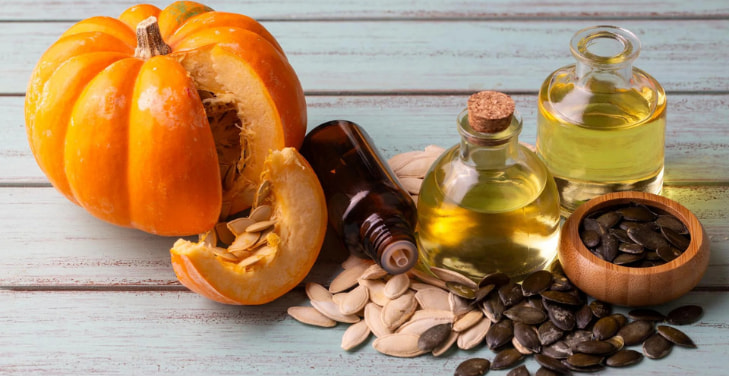
Pumpkin seed oil provides beneficial fats and antioxidants that support overall wellness every day.
What Is Pumpkin Seed Oil?
Pumpkin seed oil is a nutrient-rich vegetable oil highly valued in nutrition and healthcare due to its high content of fatty acids, antioxidants, and many bioactive compounds. It comes in various forms to meet diverse daily needs.
Definition and Source
Pumpkin seed oil is extracted from the seeds of mature pumpkins, primarily from oil-rich varieties. This oil has a dark green or reddish-green color, a characteristic aroma, and a mild, creamy taste. Its rich natural composition makes pumpkin seed oil a popular ingredient in food and dietary supplements.
How It Is Produced
Producers harvest pumpkin seeds, clean them, dry them, and then press them to extract the oil. The cold-pressing method helps retain many active compounds, vitamins, and natural flavors, thereby enhancing the nutritional value of the final product.
Common Forms Available
Pumpkin seed oil is available in various forms, including cooking oil, dietary supplement capsules, and skin or hair care products. Each form is suited to a specific purpose, offering a range of flexible options for daily health care needs.
Nutritional Profile of Pumpkin Seed Oil
Pumpkin seed oil boasts a rich nutritional profile, contributing significantly to a healthy diet. Its high content of beneficial fats and numerous bioactive compounds provides a foundation for supporting cardiovascular health, cellular function, and antioxidant processes.
Healthy Fats
Pumpkin seed oil is rich in unsaturated fatty acids, particularly linoleic and oleic acids. These fats are involved in cell membrane structure, support lipid metabolism, and contribute to the normal functioning of many organs in the body.
Vitamin E and Antioxidants
Vitamin E and natural antioxidants help protect cells from the effects of free radicals. This component also supports healthy skin, the cardiovascular system, and enhances the body's antioxidant capacity.
Phytosterols and Other Bioactive Compounds
Pumpkin seed oil contains phytosterols, carotenoids, polyphenols, and many other bioactive compounds. The combination of these nutrients contributes to overall health, promotes cellular function, and enhances the nutritional value of this vegetable oil.
Potential Health Benefits of Pumpkin Seed Oil
Pumpkin seed oil has attracted the attention of researchers due to its many nutrients involved in important physiological processes. Appropriate supplementation can support many aspects of health and improve daily quality of life.
Heart Health Support
The unsaturated fatty acids and phytosterols in pumpkin seed oil help maintain healthy blood lipid levels and support vascular function. Antioxidants also help protect heart cells from oxidative stress.
Urinary and Prostate Health
Many studies have noted that pumpkin seed oil supports urinary tract and prostate health, especially in middle-aged men. Bioactive compounds contribute to maintaining normal urinary system function and improving overall well-being.
Skin and Hair Wellness
Vitamin E, carotenoids, and essential fatty acids help nourish the skin, increase moisture, and support healthy hair. Its antioxidant properties also help protect cells from the effects of environmental factors.
How Pumpkin Seed Oil Works in the Body
Pumpkin seed oil participates in many biological processes through its essential fatty acids and antioxidant compounds. After absorption, these nutrients are distributed to many tissues in the body, helping maintain normal physiological functions and supporting long-term health.
Role of Essential Fatty Acids
Linoleic acid and oleic acid are involved in the structure of cell membranes, support signal transmission between cells, and contribute to regulating lipid metabolism. These nutrients also provide an important energy source for many bodily activities.
Antioxidant Activity
Vitamin E, carotenoids, and polyphenols in pumpkin seed oil help neutralize free radicals, contributing to protecting cells from oxidative stress. This mechanism supports the maintenance of cardiovascular health, skin health, and many other organs.
Support for Normal Cellular Function
Phytosterols and other bioactive compounds promote normal cell function and support stability in many body systems. The combination of these nutrients creates the comprehensive nutritional value of pumpkin seed oil.
Pumpkin Seed Oil vs. Pumpkin Seeds
Both pumpkin seed oil and pumpkin seeds are highly nutritious; however, each provides nutrients in different proportions. Understanding the characteristics of each option helps build a diet tailored to individual health and nutritional goals.
Nutritional Differences
Pumpkin seed oil focuses primarily on unsaturated fatty acids, vitamin E, phytosterols, and fat-soluble antioxidants. Pumpkin seeds provide additional protein, fiber, magnesium, zinc, and many essential minerals, contributing to a more diverse nutritional profile.
Health Advantages of Each
Pumpkin seed oil is suitable when the goal is to supplement beneficial fats and antioxidants. Pumpkin seeds provide increased fiber, plant-based protein, and micronutrients in the diet, supporting digestive and metabolic health.
Which Option May Suit Different Goals
Those seeking a quick and easy nutritional supplement often choose pumpkin seed oil. Pumpkin seeds are suitable for a balanced diet rich in whole foods and prioritizing satiety during daily meals.
How to Use Pumpkin Seed Oil
Pumpkin seed oil offers many versatile uses in nutrition and body care. Choosing the right form and using it regularly helps maximize the value of the natural nutrients in this oil.
As a Dietary Supplement
Many people use pumpkin seed oil in capsule or liquid form to supplement fatty acids and antioxidants. Users should adhere to the dosage indicated on the label or the instructions of a healthcare professional for optimal results.
In Cooking
Pumpkin seed oil is suitable for drizzling over salads, vegetables, soups, or finished dishes. Its mild, creamy flavor and distinctive aroma enhance the sensory value and add beneficial fats to the diet.
For Topical Skincare and Hair Care
Pumpkin seed oil is also used for skin and hair care. A small amount applied to skin or hair helps to increase softness, support moisture retention, and nourish the skin and hair strands for healthy growth.
Is Pumpkin Seed Oil Safe?
Pumpkin seed oil has a good safety profile when users choose quality products and use it in appropriate amounts. Its natural composition and high nutritional value make it a popular choice in daily diets and health care.
General Safety Profile
Most healthy adults tolerate pumpkin seed oil well in their diet or as a supplement. The unsaturated fatty acids and antioxidants help support many physiological functions of the body.
Possible Side Effects
Some people may experience bloating, loose stools, or digestive discomfort when using large amounts for a short period. Adjusting the dosage appropriately helps the body adapt better and enhances the user experience.
Who Should Use Caution
Individuals taking medication, pregnant women, breastfeeding women, or those with a history of pumpkin seed allergies should consult a healthcare professional before supplementing with pumpkin seed oil to develop an appropriate usage plan.
How to Choose a High-Quality Pumpkin Seed Oil
The quality of pumpkin seed oil directly affects its nutritional value and user experience. Choosing a product based on its production method, packaging, and label information helps consumers access a nutrient-rich and highly stable source of oil.
Cold-Pressed vs. Refined
Cold-pressed pumpkin seed oil retains more fatty acids, vitamin E, and natural antioxidants. Refined oil has a milder flavor and higher stability under certain storage conditions, making it suitable for a variety of uses.
Packaging and Storage
Dark glass bottles help limit the impact of light on the oil's quality. Storing the product in a cool, dry place and tightly sealing the lid after each use helps maintain flavor and nutritional value.
Label and Quality Certifications
Consumers should prioritize products with clear ingredient labels, transparent origins, and quality certifications from reputable organizations. This information reflects the manufacturing process, quality control standards, and reliability of the product.
Can Pumpkin Seed Oil Fit Into a Healthy Lifestyle?
Pumpkin seed oil is easily incorporated into a healthy lifestyle due to its high nutritional value and versatile applications. Long-term effectiveness depends on building a balanced diet and maintaining consistent health care habits.
Pairing with a Balanced Diet
Pumpkin seed oil is most effective when combined with green vegetables, fruits, whole grains, other sources of quality protein, and healthy fats. Dietary diversity ensures the body receives sufficient nutrients for various physiological functions.
Consistency and Realistic Expectations
Regular use in appropriate amounts contributes to long-term health support. Maintaining realistic expectations helps build sustainable habits and allows nutrients to play their role effectively in the body.
Lifestyle Habits That Complement Its Use
Regular physical activity, quality sleep, stress management, and maintaining a healthy weight enhance the effectiveness of nutrition. These factors, along with pumpkin seed oil, form the foundation for holistic and long-term health.
Conclusion
Pumpkin seed oil provides a source of healthy fatty acids, vitamin E, and many valuable bioactive compounds. Choosing a quality product, using it correctly, and maintaining a routine will help effectively utilize the nutritional benefits this oil offers.
Combining pumpkin seed oil with a balanced diet, regular exercise, and a healthy lifestyle creates a solid foundation for long-term health. Healthcare professionals will provide appropriate guidance for individuals with specific supplementation needs or health conditions.
Frequently Asked Questions (FAQs)
- Can you take pumpkin seed oil every day? – Many people use pumpkin seed oil daily as part of a balanced diet. Following the dosage on the product label or the guidance of a healthcare professional can help support safe and effective use based on individual health needs.
- Is pumpkin seed oil good for hair growth? – Pumpkin seed oil provides essential fatty acids, vitamin E, and antioxidant compounds that help nourish the scalp and hair follicles. Some studies have suggested potential benefits for hair health with regular use, although results may vary between individuals.
- Can pumpkin seed oil help support prostate health? – Pumpkin seed oil contains phytosterols and other bioactive compounds that have been studied for their potential role in supporting prostate and urinary tract health. Ongoing research continues to evaluate its benefits for men's health.
- Should pumpkin seed oil be taken with food? – Taking pumpkin seed oil with meals may improve the absorption of fat-soluble nutrients and enhance digestive comfort. This is a common practice for many oil-based dietary supplements.
- How should pumpkin seed oil be stored? – Store pumpkin seed oil in a tightly sealed dark glass bottle in a cool, dry place away from direct sunlight and heat. Proper storage helps preserve its flavor, freshness, and nutritional quality over time.
