
Black mold in the home can be a cause for concern for many people when it appears on walls, ceilings, or damp areas. These dark patches often raise questions about the safety of the living space.
Airborne mold spores can irritate the nose, eyes, skin, and respiratory tract, especially in sensitive individuals. A moldy room can also easily create discomfort, affecting daily comfort and quality of life.
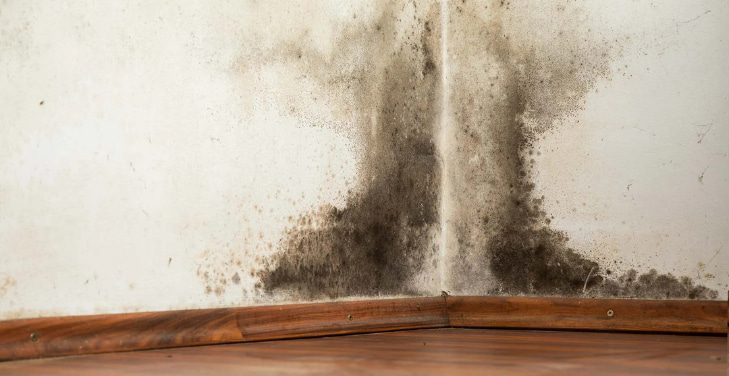
Black mold exposure may trigger respiratory symptoms and requires prompt moisture control and remediation.
What Is Black Mold?
Black mold is a term commonly used to describe mold on damp surfaces that appears black, dark green, or dark brown. The color, location of growth, and extent of spread provide useful clues when assessing the indoor environment.
Common Types of Black Mold
Stachybotrys chartarum is often mentioned when discussing black mold in homes. This species thrives on cellulose-rich materials such as paper, cardboard, plasterboard, and wood when humidity remains high. Some species of Aspergillus, Cladosporium, and Alternaria also produce dark-colored colonies.
Why Mold Color Matters
Black color alone does not definitively identify the mold species. Identification requires morphological characteristics or specialized testing. Therefore, health risk assessments should focus on the type of mold, the extent of growth, the duration of exposure, and the health status of those living in the space.
Is Black Mold Dangerous to Your Health?
Black mold can affect health through its spores, fragments, and substances produced in humid environments. The degree of impact depends on the level of exposure, the duration of presence in the space, and the individual's constitution.
Respiratory and Allergic Reactions
Airborne mold spores can irritate the mucous membranes of the nose, throat, and respiratory tract. Sensitive individuals may experience sneezing, nasal congestion, coughing, wheezing, itchy eyes, or skin irritation. People with asthma may have more difficulty controlling symptoms when exposed to moldy environments.
Factors That Influence Health Risks
Health risks increase with the level of exposure and environmental conditions. Prolonged exposure, high humidity, poor ventilation, and large areas of mold growth all increase the amount of spores in the air. Children, the elderly, and those with weakened immune systems need special protection in moldy environments.
Common Symptoms of Black Mold Exposure
Exposure to black mold can irritate many organs, especially the nose, throat, eyes, skin, and respiratory tract. Symptoms vary depending on sensitivity, duration of exposure, and individual health conditions.
Respiratory Symptoms
Common respiratory symptoms include coughing, nasal congestion, sneezing, wheezing, and chest discomfort. People with asthma may experience more frequent episodes of shortness of breath or asthma symptoms in moldy environments.
Eye, Skin, and Throat Irritation
Airborne mold spores can irritate the eyes, causing itching, redness, or tearing. Skin may become itchy and irritated. The mucous membranes of the throat may feel burning, dry, or uncomfortable, especially with prolonged exposure to damp environments.
Symptoms After Leaving the Environment
Some people find that symptoms lessen after leaving the moldy area and being exposed to a well-ventilated environment. This pattern provides useful information when assessing the relationship between environment and symptoms.
Can Black Mold Cause Serious Health Problems?
Indoor mold can contribute to significant health problems, especially for people who are sensitive to mold or have respiratory conditions. The level of impact depends on the amount of spores in the air, the duration of exposure, and underlying health conditions.
Asthma and Respiratory Complications
A moldy environment can irritate the airways and worsen asthma symptoms in those with the condition. Persistent coughing, wheezing, shortness of breath, and chest tightness may occur as the respiratory tract reacts to mold-related irritants. People with chronic lung disease should be aware of increased respiratory symptoms.
Risks From Prolonged Exposure
Prolonged exposure to moldy environments can maintain respiratory irritation and significantly impact quality of life. Some sensitive individuals may experience recurring episodes of symptoms when frequently in moldy spaces.
When Medical Evaluation Matters
Significant shortness of breath, persistent wheezing, chest pain, or progressive respiratory symptoms require prompt medical evaluation. A doctor can consider symptoms, medical history, and environmental conditions to determine appropriate treatment.
Who Is Most Vulnerable to Black Mold?
Sensitivity to mold varies by individual constitution, age, and health status. Some groups need to be more cautious when living or working in damp, poorly ventilated spaces where mold grows.
People With Asthma or Mold Allergies
Individuals with asthma or mold allergies may experience pronounced respiratory reactions when inhaling airborne spores. Coughing, wheezing, nasal congestion, sneezing, and difficulty breathing may worsen with prolonged exposure.
Children and Older Adults
Children and older adults may require extra protection in mold-prone environments due to differences in their respiratory systems and adaptability to irritants that vary significantly with age. Respiratory symptoms should be closely monitored.
People With Weakened Immune Systems
Immunocompromised individuals, including those undergoing cancer treatment, organ transplantation, or using immunosuppressant drugs, are at a higher risk of invasive fungal infections. This group requires early medical evaluation if any unusual symptoms appear after mold exposure.
How Does Black Mold Enter and Spread Indoors?
Black mold can appear indoors when airborne spores come into contact with damp surfaces and find favorable conditions for growth. Spores naturally exist in indoor and outdoor air, then travel with airflow, dust, and material disturbances.
Airborne Spores and Contaminated Materials
Mold spores are very small, so they easily spread through the air and adhere to dust, fabrics, wood, or building materials. Cleaning, moving furniture, and airflow can disperse spores to other areas.
Moisture, Leaks, and Flooding
Moisture is a key factor in mold growth. Leaky pipes and roofs, flooding, steam from bathrooms and cooking, and condensation can all provide moisture to surfaces.
Common Indoor Locations
Fungus commonly grows in bathrooms, around windows, on basement walls, on carpets, on wood, on wallpaper, in insulation, and in poorly ventilated areas. Controlling humidity and treating water sources can help limit the spread of fungus indoors.
Signs Your Home May Have a Black Mold Problem
Several signs in your home can indicate the presence of mold, especially if the space is frequently damp or has been water-damaged. The EPA identifies musty odors, visible mold growth, and water marks as important clues when assessing the environment.
Visible Mold and Musty Odors
Dark patches of mold on walls, ceilings, wood, carpets, or furniture provide a clear visual indication. A characteristic musty odor can also suggest mold growth in enclosed areas.
Water Stains and Persistent Dampness
Water stains, blistering paint, damp walls, condensation on windows, and high humidity all indicate conditions favorable for mold growth. These signs are often related to leaks, condensation, or poor ventilation.
Hidden Mold Growth
Mold can grow behind drywall, wallpaper, under carpets, in ceilings, around pipes, or inside ventilation systems. A persistent musty odor after flooding or leaks may indicate latent mold.
What Should You Do If You Find Black Mold?
When black mold is detected, early treatment helps control the source of exposure and limit material damage. The EPA emphasizes that moisture control is a core step in indoor mold management.
Address the Moisture Source
Identify and repair leaks in pipes, roofs, windows, or other sources of moisture. Completely dry the affected area and materials, and improve ventilation to reduce conditions favorable for mold growth.
Handle Small Mold Areas Safely
Molded areas of approximately 10 square feet or less are usually suitable for self-cleaning, provided safety guidelines are followed. Gloves, eye protection, and an N95 mask help reduce exposure to spores during cleaning.
Know When to Seek Professional Help
Large molded areas exceeding approximately 10 square feet, severe water damage, or HVAC systems showing signs of mold infection require professional assessment. People with respiratory illnesses or immune system problems should consult with healthcare professionals before directly participating in cleaning.
When Should You Seek Professional Mold Remediation?
Professional mold remediation services are suitable when the contamination is extensive, the moisture source is complex, or there is a high risk of spore dispersal. The EPA classifies areas under 10 ft² as small-scale, 10–100 ft² as medium-scale, and over 100 ft² as large-scale.
Extensive or Recurring Mold Growth
Mold spreading over 10 ft², recurring multiple times, or appearing in multiple areas of the house requires professional assessment. Experts can determine the extent of contamination, the source of moisture, and appropriate control measures.
Significant Water Damage
Flooding, prolonged leaks, or damp building materials over extended periods can create conditions for mold to grow deep within walls, floors, and ceilings. Sewage or particularly contaminated water requires experienced handling.
HVAC Contamination and Vulnerable Occupants
Fungi present in HVAC systems can spread spores through the airflow, increasing the extent of exposure. Individuals with asthma, fungal allergies, or compromised immune systems should be protected during handling; the EPA recommends considering medical and environmental handling expertise in these cases.
How to Prevent Black Mold Growth
Controlling humidity is crucial to limiting mold growth indoors. The EPA recommends maintaining relative humidity between 30–50% and promptly addressing wet areas.
Control Indoor Humidity
Use dehumidifiers, air conditioners, and hygrometers to maintain a dry and well-ventilated environment. Humidity levels below 60%, ideally between 30–50%, help limit conditions favorable for mold growth.
Improve Ventilation
Increase air circulation in bathrooms, kitchens, and other moisture-prone areas. Exhaust fans, windows, and ventilation systems help remove moisture and reduce condensation on cold surfaces.
Repair Leaks and Dry Wet Materials
Quickly repair leaks in pipes, roofs, windows, and other areas. Dry wet materials within 24–48 hours to limit mold formation. Regularly inspect the roof, gutters, HVAC system, and areas prone to water accumulation to maintain a dry and clean environment.
Conclusion
Black mold in the home can affect the respiratory system, causing allergic reactions and worsening asthma symptoms in sensitive individuals. The level of risk depends on environmental conditions and individual health characteristics.
Controlling humidity, repairing leaks, and drying materials quickly helps limit mold growth. Large areas, severe water damage, or high-risk residents require professional assessment.
Frequently Asked Questions (FAQs)
- Is black mold dangerous? – Black mold can cause allergic reactions affecting the eyes, skin, nose, throat, and lungs. People with asthma or mold sensitivities may experience stronger respiratory symptoms after exposure.
- What are common mold symptoms? – Common mold-related symptoms include sneezing, nasal congestion, runny nose, red eyes, skin irritation, coughing, and wheezing. Symptoms vary with exposure level and individual sensitivity.
- Can black mold trigger asthma? – Mold can trigger asthma attacks in people who are sensitive or allergic to mold. Exposure can irritate the airways and contribute to coughing, wheezing, shortness of breath, and chest tightness.
- How do you remove black mold? – Mold removal involves cleaning affected areas and controlling moisture sources. Small areas can often be addressed using appropriate safety practices, while extensive growth or water damage warrants professional assessment.
- How can you prevent mold growth? – Maintain indoor humidity around 30–60%, improve ventilation, repair leaks, and dry damp materials within 24–48 hours. Controlling moisture sources is central to long-term mold prevention.
