
Canthaxanthin has attracted attention due to its distinctive color and its presence in many carotenoid supplements. At high doses, the body may react in ways that require monitoring, particularly in the retina and vision.
Understanding side effects, cumulative risks, and warning signs helps users manage their health proactively. Accurate knowledge of dosage, duration of use, and risk factors supports safe, medically-based choices.
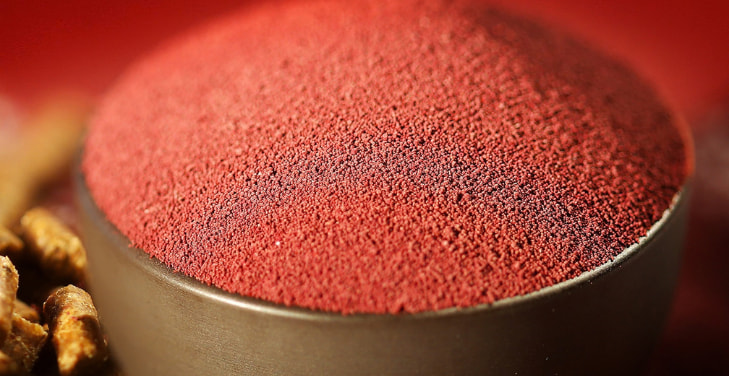
Excessive canthaxanthin intake may affect eye health and cause other serious adverse effects.
What Is Canthaxanthin?
Canthaxanthin is a carotenoid belonging to the xanthophyll group, a natural red-orange pigment found in certain foods, microorganisms, and carotenoid supplements. This compound has attracted attention due to its antioxidant properties and characteristic coloring ability.
Natural Sources
Canthaxanthin is found in some mushrooms, algae, and red-orange pigmented foods. The body absorbs the compound through diet and metabolizes it according to the characteristic mechanisms of the carotenoid group. Its content in food usually depends on the source material and growing conditions.
Uses in Supplements and Food
Canthaxanthin has been used in food coloring products and is also present in some carotenoid supplement formulations. It has also been used in products that enhance skin color. Dosage and duration of use are important factors in its safety profile.
Carotenoid Characteristics
Canthaxanthin has a conjugated structure that gives it its red-orange color and contributes to its antioxidant activity. Its fat-soluble properties influence its absorption and distribution in the body.
Common Side Effects of Canthaxanthin
Canthaxanthin can cause some adverse reactions, especially when users take supplements at high doses or for extended periods. The severity depends on the amount of active ingredient, the duration of use, and the individual's health characteristics.
Digestive Symptoms
Some people may experience nausea, abdominal discomfort, stomach pain, or digestive upset after using canthaxanthin. The digestive system reacts to the amount of carotenoid absorbed and the accompanying ingredients in the product formula.
Skin Color Changes
Canthaxanthin can accumulate in tissues and cause an orange or yellowish-orange tint on the skin when used in high amounts or for prolonged periods. This skin color change reflects the accumulation of carotenoid pigment in the body.
Headache and Other Reactions
Some cases have reported headaches, dizziness, or general discomfort during use. Users need to monitor symptom progression, timing of onset, and dosage to provide accurate information to healthcare professionals during assessments.
Canthaxanthin and Eye Health
Canthaxanthin is notably associated with retinal health, especially when consumed in large amounts over a long period. This carotenoid can accumulate in eye tissue and produce characteristic changes that require monitoring.
Canthaxanthin Retinopathy
Canthaxanthin can cause canthaxanthin retinopathy, a condition in which pigment crystals form in the retina. These crystals often appear in the macula, which plays a crucial role in central vision.
Retinal Crystal Deposits
High levels of accumulated canthaxanthin can promote yellow or white crystal formation in the retina. A specialist eye examination allows the doctor to observe these changes through fundus examination and appropriate retinal assessment methods.
Effects on Vision
Canthaxanthin retinopathy may cause blurred vision, decreased visual acuity, or reduced ability to see details. Users experiencing vision changes should have their eyes checked promptly to assess retinal condition and determine appropriate treatment.
Canthaxanthin Retinopathy and Vision Changes
Canthaxanthin retinopathy is directly related to the accumulation of canthaxanthin crystals in the retina, particularly in the macular region. This condition requires attention when users consume high amounts of canthaxanthin for extended periods.
Vision Changes
Users may experience blurred vision, decreased image clarity, difficulty focusing on fine details, or changes in central vision. These symptoms reflect the impact on retinal structures involved in light reception and processing.
Cumulative Intake
The amount of canthaxanthin accumulated over time plays a key role in retinal crystal formation. Prolonged high-dose use increases the amount of carotenoids exposed to eye tissue, facilitating accumulation in the macular region.
Ophthalmic Evaluation
A specialist eye examination helps assess the fundus, retina, and central vision. Doctors can use advanced testing methods to determine crystal location, the extent of retinal changes, and vision progression over time.
Risks of High-Dose Canthaxanthin Supplements
High doses of canthaxanthin increase the amount of carotenoids exposed to body tissues, creating significant safety concerns. The risk is especially important when users take high doses for extended periods.
Excessive Intake
High canthaxanthin levels can cause digestive disturbances, skin discoloration, and retinal damage. Risk depends on the dose, duration of exposure, and individual absorption capacity.
Long-Term Supplement Use
Prolonged use increases canthaxanthin accumulation in the body. This process can promote carotenoid crystal formation in the retina, leading to vision changes and requiring ophthalmological monitoring.
Supplement Concentration
Supplements typically provide a concentrated amount of the active ingredient in a single serving. Users should check the canthaxanthin content on the label, follow the usage instructions, and consult with a healthcare professional before maintaining high doses for extended periods.
Canthaxanthin and Liver Health
Canthaxanthin is absorbed and metabolized in the digestive system, liver, and lipid storage tissues. Long-term use of large amounts raises concerns about dosage and monitoring of liver health.
Liver-Related Concerns
Some safety data have noted changes in liver function indicators in the context of high-dose carotenoid use. Indicators such as ALT and AST help physicians assess liver cell status when abnormalities appear.
High-Dose Exposure
High doses of canthaxanthin increase the amount of active substance the body has to process. Prolonged use requires attention to the total amount supplemented from multiple products, especially when the formula contains additional carotenoids or other active compounds.
Existing Liver Conditions
Individuals with liver disease or elevated liver enzymes should consult a healthcare professional before using canthaxanthin. A doctor can consider your liver condition, current medications, and the need for the product to develop an appropriate treatment plan.
Canthaxanthin and Medication Considerations
Consider canthaxanthin in the context of each individual's medication and supplement regimen. This ingredient may present potential issues when combined with multiple other substances simultaneously, especially during prolonged use.
Medication Review
Users should provide their healthcare professional with a complete list of prescription and over-the-counter medications, vitamins, and supplements. This information helps assess the total amount of the active ingredient and identify factors that may affect safety.
Supplement Combinations
Some products contain multiple carotenoids or antioxidant compounds in the same formula. Using multiple products at the same time can increase total daily intake, so users should carefully check the ingredients and amounts on the label.
Professional Guidance
A doctor or pharmacist can assess current medications, underlying medical conditions, canthaxanthin dosage, and supplementation duration to develop appropriate usage guidelines. Users should also inform their healthcare provider about their canthaxanthin supplementation before routine health checkups.
Who Should Avoid or Limit Canthaxanthin?
Canthaxanthin should be carefully considered in groups with risk factors related to the eyes, liver, or the use of multiple medications and supplements. Individual assessment helps determine the appropriate dosage and duration of use.
Eye and Retinal Conditions
Individuals with retinal disease, visual disturbances, or a history of eye disease should consult an ophthalmologist before use. Vision and retinal assessment helps determine safety in each case.
Liver Conditions
A healthcare professional should evaluate individuals with liver disease or abnormal liver function before supplementing with canthaxanthin. Liver conditions affect how the body processes many compounds.
Medications and Supplements
People taking multiple medications, vitamins, or supplements should review their full list before using canthaxanthin. This helps control the total amount of the active ingredient and limit potential interactions.
Pregnancy and Breastfeeding
Pregnant or breastfeeding women should consult their doctor before using canthaxanthin. A healthcare professional can consider nutritional needs, existing products, and available safety data to provide appropriate guidance.
How to Recognize Canthaxanthin Toxicity
Canthaxanthin toxicity is often associated with high-dose, long-term use, with retinal and visual impairment being particular concerns. Recognizing unusual symptoms early helps users seek appropriate medical evaluation.
Vision Symptoms
Notable signs include blurred vision, decreased image clarity, difficulty seeing details, and changes in central vision. These symptoms may be related to the accumulation of canthaxanthin crystals in the retina and require evaluation by an ophthalmologist.
Skin and Digestive Changes
High canthaxanthin levels may cause yellow or orange skin discoloration, as well as nausea, abdominal pain, or digestive discomfort. Symptom severity depends on the amount used and the duration of exposure.
When to Seek Medical Evaluation
Seek medical evaluation for persistent vision changes, worsening symptoms, or significant bodily reactions. Users should provide the product name, canthaxanthin content, dosage, and duration of use so that the doctor can determine the level of exposure.
How to Use Canthaxanthin More Safely
Safe canthaxanthin use requires attention to dosage, supplementation duration, and individual health conditions. These factors help control the amount of carotenoid absorbed and support monitoring for adverse reactions during use.
Follow Recommended Dosage
Users should follow the dosage on the product label and use the correct number of servings per day. Checking the canthaxanthin content in each serving helps control the total intake from multiple products.
Choose Transparent Products
Products should clearly state the canthaxanthin content, supplemental ingredients, serving size, and usage instructions. Users should prioritize products with transparent origin information and clear quality control standards.
Monitor Long-Term Use
Long-term use requires monitoring by a healthcare professional, especially if the user has eye disease, liver disease, or is taking multiple supplements. Regular eye exams can detect early changes in the retina.
Seek Professional Guidance
A doctor or pharmacist can assess current medications, underlying medical conditions, canthaxanthin dosage, and duration of use before developing a supplementation plan. Users should report any changes in vision or unusual reactions promptly.
Conclusion
Canthaxanthin is a carotenoid with valuable applications in food and dietary supplements, and it should be used under appropriate control. High doses and prolonged use may increase the risk of carotenoid accumulation in the retina, causing vision changes and related health problems.
Monitoring dosage, checking product ingredients, and watching for unusual signs help improve safety. Individuals with eye disease, liver disease, or those taking multiple medications should consult a healthcare professional before supplementation.
Frequently Asked Questions (FAQs)
- Can Canthaxanthin Damage Your Eyes? – Canthaxanthin can affect the retina when the body is exposed to high amounts over a long period. Accumulation of carotenoid crystals in the macula can cause vision changes, blurred vision, and reduced detail perception.
- What Is Canthaxanthin Retinopathy? – Canthaxanthin retinopathy involves the accumulation of canthaxanthin crystals in the retina, particularly in the macula. This condition may cause vision changes and requires an ophthalmologist's evaluation.
- Is High-Dose Canthaxanthin Safe? – High doses of canthaxanthin increase carotenoid exposure and the risk of adverse reactions. Prolonged use can promote accumulation in the retina, so users need to control their dosage and monitor their health accordingly.
- What Are Common Canthaxanthin Side Effects? – Common reactions include nausea, abdominal discomfort, headache, and yellow or orange skin discoloration. The severity depends on the dose, the duration of supplementation, and the individual's health characteristics.
- Who Should Avoid Canthaxanthin Supplements? – Individuals with retinopathy, visual disturbances, liver disease, or those taking multiple medications and supplements should consult a healthcare professional before use. Pregnant and breastfeeding women also need professional advice.
