
Each glass of milk carries nutritional value, care, and a belief in the health of the whole family. Deciding between raw milk and pasteurized milk is always a dilemma for consumers seeking the most suitable product.
Understanding the differences in processing methods, nutritional content, safety levels, flavor, and shelf life helps you make a more informed choice. Knowledge based on scientific evidence provides a solid foundation for building a balanced diet and protecting long-term health.
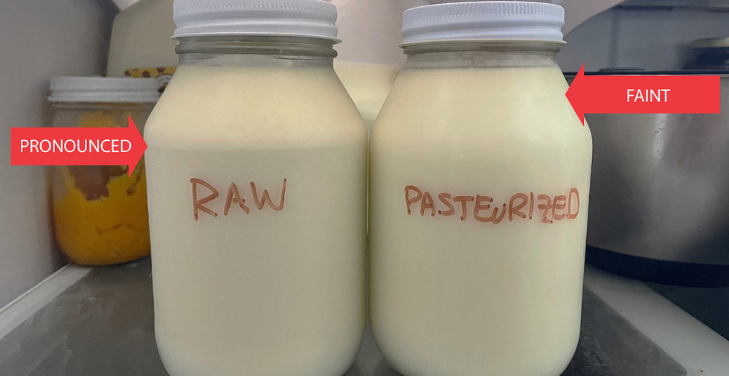
Raw and pasteurized milk differ in processing, safety, nutrition, flavor, and shelf life.
What Is the Difference Between Raw and Pasteurized Milk?
Both raw and pasteurized milk originate from animal milk; however, the processing methods create distinct characteristics in terms of quality, safety, and shelf life. Understanding each type helps in choosing the right milk to meet nutritional needs.
Definition of Raw Milk
Raw milk is milk collected directly from cows, goats, or sheep and then chilled without pasteurization. Its natural components include protein, fat, lactose, vitamins, minerals, enzymes, and its inherent microorganisms. Quality depends heavily on farming and storage conditions.
Definition of Pasteurized Milk
Pasteurized milk undergoes a heating process at controlled temperatures and times before rapid cooling. This process maintains essential nutrients and enhances food safety. Many manufacturers package it in hygienic environments to maintain consistent quality.
Why Pasteurization Is Used
Pasteurization reduces the presence of potentially pathogenic microorganisms in milk, while extending shelf life and maintaining sensory quality. The standardized process creates a stable product that meets food safety requirements and modern consumer demands.
How Are Raw Milk and Pasteurized Milk Processed?
The processing method determines the quality, safety, and shelf life of milk. Each stage affects the nutritional composition, sensory characteristics, and stability of the product when it reaches the consumer.
Milk Collection and Handling
This process begins with milking under strict hygienic conditions. Farmers quickly cool the milk to maintain quality and limit the growth of microorganisms. Next, the milk goes through filtration, composition testing, quality assessment, and transportation using a cold storage system to maintain freshness throughout the supply chain.
Pasteurization Methods
The manufacturer heats the milk to a standardized temperature and time, then rapidly cools it before packaging. This process creates a product with stable quality, extended shelf life, and meets food safety standards. Modern technology also helps to preserve the natural flavor and most of the nutritional value of milk.
Nutritional Comparison
The nutritional value of raw milk and pasteurized milk is always a subject of much discussion. Both provide essential nutrients for the body, while processing can create differences in the bioactivity of certain components.
Protein, Fat, and Carbohydrates
Both types of milk provide high-quality protein, natural milk fat, and carbohydrates in the form of lactose. These nutrients support muscle development, provide energy, and maintain many physiological functions. Nutritional content varies mainly depending on the animal breed and diet.
Vitamins and Minerals
Milk provides a rich source of calcium, phosphorus, potassium, vitamin B2, and vitamin B12. Pasteurization retains most of these important micronutrients, contributing to bone health, nerve function, and energy production in the body.
Enzymes and Beneficial Bacteria
Raw milk contains many natural enzymes and the inherent microbial flora of fresh milk. Pasteurization reduces the activity of some enzymes and the amount of bacteria present. Overall nutritional quality remains sufficient to meet daily needs when combined with a balanced and varied diet.
Which Is Safer to Drink?
The safety of milk depends on the quality of the raw materials, the production process, and storage conditions. In preventive health practice, microbiological control plays a crucial role in protecting public health and reducing the risk of foodborne illnesses.
Risk of Bacterial Contamination
Raw milk can contain various microorganisms that appear during milking, transportation, or storage. The presence of these bacteria varies depending on farming conditions, farm hygiene, and storage temperature. Strict quality control processes help maintain the safety of the milk supply.
Foodborne Illness Concerns
Some bacteria in milk can cause digestive disorders, fever, or infections in consumers. Young children, the elderly, pregnant women, and people with weakened immune systems often require a higher level of protection against foodborne pathogens.
How Pasteurization Improves Safety
Pasteurization uses standardized temperatures to significantly reduce the amount of pathogenic microorganisms in milk while preserving most of its nutritional value. This process enhances product stability, increases food safety reliability, and meets modern health standards.
Taste, Texture, and Freshness
The taste and texture of milk are influenced by the breed of animal, diet, processing methods, and storage conditions. These factors create a unique experience and affect the preferences of different consumer groups.
Flavor Differences
Raw milk typically has a rich, naturally aromatic flavor that clearly reflects the characteristics of the original milk source. Pasteurized milk has a consistent flavor across batches, creating a familiar and accessible experience for everyday use. Each type caters to different culinary preferences.
Creaminess and Mouthfeel
Fat content and processing methods determine the creaminess, smoothness, and richness of the milk. Many products retain the natural cream layer on the surface, while some milk lines employ a homogenization process to create a uniform and smooth texture.
Consumer Preferences
Consumers choose products based on taste, freshness, usage habits, and health goals. Practical experience combined with quality standards helps consumers determine the type of milk that best suits their nutritional needs and lifestyle.
Shelf Life and Storage
The shelf life of milk depends on the processing method, storage temperature, and how it is used after opening the packaging. Proper storage helps maintain the sensory quality, nutritional value, and stability of the product throughout its shelf life.
Refrigeration Requirements
Both raw milk and pasteurized milk need to be kept at a stable cold temperature, usually below 4°C. Storing milk in the refrigerator, with the packaging tightly sealed, and minimizing temperature fluctuations helps maintain the flavor, texture, and quality of the product under optimal conditions.
Expected Freshness
Raw milk typically has a shorter shelf life because it retains its natural microbial flora. Pasteurized milk maintains freshness longer thanks to its pasteurization and standard packaging processes. Each product clearly states its expiration date to help consumers choose and use it appropriately.
Signs of Spoilage
Spoiled milk typically exhibits a distinct sour smell, a lumpy texture, color changes, or unusual separation of layers on the surface. Careful visual inspection before consumption helps ensure food quality and contributes to protecting the health of your family.
Who Should Choose Each Type of Milk?
Choosing the right type of milk depends on age, health status, and food safety priorities. Each group has its own nutritional needs, so the decision should be based on medical recommendations and practical conditions.
Healthy Adults
Healthy adults can consider many milk options depending on taste, nutritional goals, and reliable sources. Pasteurized milk offers convenience for daily use due to its consistent quality and suitable shelf life. Raw milk is only suitable when the milk source meets strict hygiene and quality control standards.
Children, Older Adults, Pregnant Women, and Immunocompromised Individuals
Children, the elderly, pregnant women, and individuals with weakened immune systems should prioritize pasteurized milk to enhance food safety. This option helps reduce the risk of exposure to pathogenic microorganisms while still providing protein, calcium, vitamins, and many other essential nutrients for growth, maintaining health, and recovery.
Common Myths About Raw and Pasteurized Milk
Many opinions about raw and pasteurized milk are widely circulated through word of mouth and social media. Knowledge based on scientific evidence helps to accurately assess the nutritional value, safety, and role of each type of milk in the diet.
Does Pasteurization Destroy All Nutrients?
Pasteurization partially alters the activity of some heat-sensitive components while retaining most proteins, fats, carbohydrates, calcium, and many important vitamins. The overall nutritional value of milk still adequately meets daily needs in a balanced diet.
Is Raw Milk Always Healthier?
Raw milk provides the natural components of fresh milk; however, health benefits depend on the quality of the milk source, hygiene conditions, and storage methods. Scientific studies evaluate nutritional effectiveness based on many factors, not just processing methods.
Are All Bacteria Beneficial?
Milk contains many groups of microorganisms with different biological characteristics. Some bacteria support fermentation and flavor, while others affect quality and consumer health. Microbiological evaluation is always based on the type, quantity, and safety level of each group of bacteria.
How to Decide Which Milk Is Right for You
Choosing the right milk should be based on nutritional needs, health status, and daily habits. A correct decision optimizes nutritional value, enhances the user experience, and meets food safety standards.
Personal Health Goals
Each person pursues a unique health goal, such as muscle development, maintaining bone density, weight control, or energy supplementation. Clearly defining goals helps choose the right milk for one's diet and lifestyle, creating long-term health benefits.
Food Safety Considerations
Food safety plays a crucial role in every milk selection decision. Consumers should consider the product's origin, processing methods, storage conditions, and the manufacturer's quality standards. These factors help ensure quality and peace of mind during use.
Is Raw Milk Worth the Risk?
Choosing raw milk requires careful consideration of nutritional value, milk source quality, and food safety. Medical perspectives prioritize scientific evidence to assess benefits and risks, helping individuals make decisions appropriate to their circumstances.
Potential Advantages
Raw milk retains many of the natural components of fresh milk, including enzymes, the inherent microbiome, and its distinctive flavor. Some people appreciate the freshness and traditional value of this type of milk. Product quality largely depends on the farming, harvesting, and storage processes.
Documented Health Risks
Medical studies have shown that raw milk can carry pathogenic microorganisms if the milk source or processing methods do not meet hygiene standards. This risk is more pronounced in young children, pregnant women, the elderly, and those with weakened immune systems. Therefore, the choice should be based on scientific evidence, reliable sources, and food safety standards.
Conclusion
Both raw and pasteurized milk provide protein, calcium, and many other important nutrients for the body. The processing method creates differences in safety, shelf life, flavor, and sensory characteristics of each type of milk.
The appropriate choice should be based on health status, nutritional needs, product origin, and food safety standards. Decisions based on scientific evidence optimize nutritional benefits, enhance peace of mind, and support a balanced, sustainable diet in daily life.
Frequently Asked Questions (FAQs)
- Is pasteurized milk less nutritious than raw milk? – Pasteurized milk retains protein, calcium, fat, carbohydrates, and most essential vitamins and minerals. Pasteurization is primarily designed to improve food safety while preserving the milk's overall nutritional value for everyday consumption.
- Can raw milk improve digestion? – Some people report a more pleasant digestive experience with raw milk because it contains naturally occurring enzymes and microorganisms. However, current scientific evidence does not establish that raw milk improves digestion for the general population, and individual responses vary.
- Why does raw milk spoil faster? – Raw milk contains naturally occurring microorganisms that remain active during storage, allowing microbial growth to continue over time. As a result, raw milk requires continuous refrigeration and typically has a much shorter shelf life than pasteurized milk.
- Does boiling raw milk provide the same protection as pasteurization? – Boiling raw milk can significantly reduce the number of harmful microorganisms and improve its safety. However, commercial pasteurization uses carefully controlled temperatures and processing times to achieve consistent microbial reduction and product quality.
- Which milk is recommended for everyday use? – Pasteurized milk is generally recommended for everyday use because it offers a high level of food safety while maintaining its nutritional value. Choosing products from reputable manufacturers and storing them according to label instructions further supports milk quality and safety.
