
Over 90% of the body's cell membranes require fatty acids to maintain their structure and function effectively. This fact explains why sources of highly bioavailable fats always attract the attention of scientists and nutritionists.
Evening Primrose Oil stands out due to its high content of gamma-linolenic acid (GLA), an omega-6 fatty acid involved in many important physiological processes. From skin health to hormonal balance and immune response, this oil continues to be the subject of extensive research, offering new perspectives on holistic health care.
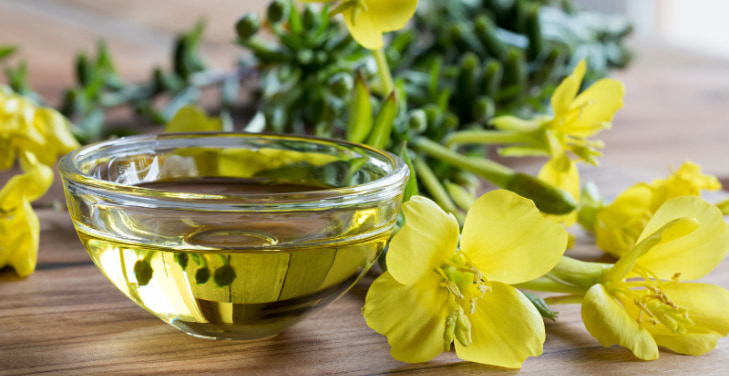
Evening primrose oil capsules provide gamma-linolenic acid to support overall wellness and hormonal balance.
What Is Evening Primrose Oil?
Evening Primrose Oil is one of the most widely studied vegetable oils due to its nutritional value and potential health benefits. Its rich composition of essential fatty acids makes it a popular choice for skin, endocrine, and overall health supplements.
Origin and Extraction
Evening Primrose Oil is extracted from the seeds of the Oenothera biennis plant, which thrives in North America and many temperate regions. The cold-pressing process preserves the natural nutrient content, resulting in a bioactive oil. The quality of the raw materials and the production method significantly determine the value of the finished product.
Key Active Compound
The most important active compound in Evening Primrose Oil is gamma-linolenic acid (GLA), a highly bioactive omega-6 fatty acid. GLA participates in many metabolic processes and helps maintain the body's balance. The GLA content is also a crucial criterion when evaluating product quality.
How It Works in the Body
After absorption, GLA is metabolized into compounds that regulate many biological reactions. This process supports cell membrane health, contributing to the maintenance of skin, immune, and endocrine functions. This mechanism of action makes Evening Primrose Oil a popular choice in daily health care.
Nutritional Composition of Evening Primrose Oil
The value of evening primrose oil comes from its unique fatty acid composition and many naturally occurring bioactive compounds. This combination forms the basis of the benefits studied in nutrition, skincare, and overall health support.
Gamma-Linolenic Acid (GLA)
Gamma-linolenic acid (GLA) is the most prominent component in evening primrose oil, typically accounting for about 8–10% of the total fatty acids. GLA participates in the synthesis of eicosanoids, contributing to the regulation of biological reactions and maintaining the stable functioning of the immune and endocrine systems, as well as cell membrane structures. The high GLA content also contributes to the characteristic nutritional value of evening primrose oil.
Other Natural Fatty Acids and Compounds
Besides GLA, Evening Primrose Oil also contains abundant amounts of linoleic acid (LA) along with small amounts of oleic acid, palmitic acid, and stearic acid. These fatty acids provide energy to cells, support skin elasticity, and help protect the skin's natural lipid barrier. The oil also contains vitamin E and natural antioxidants, which enhance product stability and add nutritional value.
Potential Health Benefits of Evening Primrose Oil
Evening Primrose Oil offers many potential benefits due to its GLA content and essential fatty acids. Numerous studies have evaluated the role of this oil in supporting skin health, balancing hormones, reducing inflammation, and improving quality of life across various groups.
Supports Skin Health
GLA helps maintain the skin's protective barrier and promotes natural moisture retention. This component helps improve softness, increase elasticity, and maintain healthy skin. Many studies also acknowledge the value of Evening Primrose Oil in internal skin care strategies.
Promotes Women's Hormonal Balance
Evening Primrose Oil is often featured in women's health programs due to its ability to regulate prostaglandin synthesis. This activity contributes to physiological balance during the menstrual cycle and pre-menopause. Many people choose products to enhance their daily well-being.
Supports Joint and Nerve Function
The fatty acids in Evening Primrose Oil help nourish nerve cell membranes and connective tissue. GLA (Gamma-Linolenic Acid) helps regulate physiological inflammatory responses, thereby supporting joint flexibility and maintaining nerve function. This value has attracted attention in many studies on musculoskeletal health.
Provides Antioxidant and Cellular Support
Vitamin E and other natural antioxidants help protect cells from the effects of free radicals. This mechanism helps maintain the normal functioning of many organs and supports tissue regeneration. The combination of GLA and antioxidants creates a comprehensive nutritional foundation for long-term health.
Scientific Evidence: What Research Says
Research on Evening Primrose Oil continues to expand across many areas of medicine and nutrition. Current results provide a scientific foundation for evaluating the health value of evening primrose oil and guiding its appropriate use in different patient groups.
Clinical Areas with Stronger Evidence
Many clinical trials focus on premenstrual syndrome, cyclical breast pain, eczema, and certain inflammatory skin conditions. Results show that GLA contributes to symptom improvement in some participants when used at the correct dosage and for sufficient duration. The quality of research is increasingly enhanced through randomized, controlled designs and close monitoring.
Emerging Research and Future Directions
Scientists continue to evaluate the role of Evening Primrose Oil in neurological health, metabolism, cardiovascular health, and the aging process. New studies are expanding sample sizes and applying modern biomarkers to clarify the mechanisms of action of GLA. The data accumulated year after year contribute to strengthening the evidence and enhancing the reliability of recommendations in healthcare practice.
Who May Benefit from Evening Primrose Oil?
Evening Primrose Oil is suitable for many groups because it provides GLA and supports important physiological processes. The need for use usually depends on each individual's health condition, diet, and body care goals.
Women Seeking Hormonal Support
Women in the premenstrual, menstrual cycle, or perimenopausal stages often choose Evening Primrose Oil to support hormonal balance. GLA participates in prostaglandin production and helps maintain stable physiological activity. Regular supplementation helps many people feel more comfortable and balanced in their daily lives.
People with Dry or Sensitive Skin
Those with dry, flaky, or easily irritated skin may benefit from the essential fatty acids in Evening Primrose Oil. GLA helps strengthen the skin's protective barrier, maintain moisture, and increase skin softness. Evening primrose oil is also commonly found in skincare strategies that work from the inside out.
Adults Looking for General Wellness
Adults seeking to improve their overall health can incorporate Evening Primrose Oil into a balanced diet. Its rich GLA and vitamin E content supports cellular function, the immune system, and antioxidant processes. This combination helps maintain good health and improve long-term quality of life.
How to Take Evening Primrose Oil
Using Evening Primrose Oil correctly optimizes GLA absorption and maximizes its health benefits. Dosage, timing, and duration of use are all crucial for achieving desired results.
Recommended Dosage
The dosage of Evening Primrose Oil varies depending on the intended use and the GLA content of each product. Many studies suggest a dosage of 500–2,000 mg per day, divided into one or two doses. Following label instructions or consulting a healthcare professional ensures suitability for individual needs.
Best Time and Duration
Evening Primrose Oil is most effective when taken with a meal containing fat to enhance the absorption of essential fatty acids. Taking it at the same time each day helps maintain stable levels of the active ingredient in the body. Many studies have shown noticeable results after approximately 8–12 weeks of consistent and regular use.
Available Supplement Forms
Evening Primrose Oil is available on the market in softgel capsules, hard capsules, and liquid oil forms. Softgel capsules are a popular choice due to their precise dosage, ease of storage, and portability. Users should prioritize products that clearly state the GLA content, source of ingredients, and third-party quality certifications.
Safety, Side Effects, and Precautions
Evening Primrose Oil generally has a good safety profile when used at the recommended dosage. Each person has unique health characteristics, so understanding potential side effects and important precautions will help ensure a more effective and safe supplement regimen.
Common Side Effects
Some people may experience bloating, gastrointestinal discomfort, headache, or mild nausea during the initial period of use. These symptoms are usually related to the dosage and the body's tolerance. Starting with an appropriate dose and taking it with meals helps improve tolerance.
Drug Interactions
Evening Primrose Oil may interfere with the activity of certain drug classes, such as anticoagulants, antiplatelet drugs, and some psychotropic medications. A healthcare professional should evaluate this combination to ensure treatment effectiveness and minimize the risk of adverse effects. Individuals undergoing treatment for chronic illnesses should consult their doctor before taking supplements.
Special Precautions
Pregnant women, individuals preparing for surgery, those with a history of seizure disorders, or those undergoing treatment for complex medical conditions should develop a usage plan tailored to their health status. Choosing a product that meets quality standards, adhering to the prescribed dosage, and monitoring the body's reaction contribute to enhanced safety throughout use.
Choosing a High-Quality Evening Primrose Oil Supplement
The quality of evening primrose oil directly affects its GLA content, purity, and effectiveness. Choosing a product based on scientific criteria helps users access a safe, stable, and appropriate supplement for their health goals.
Check the GLA Content
Gamma-linolenic acid (GLA) content is the most important criterion when evaluating evening primrose oil. Many quality products provide around 8–10% GLA and clearly state the amount of GLA per serving. Transparent information makes it easy for users to choose the appropriate supplement dose for their individual needs.
Look for Third-Party Testing
Products with third-party certifications offer high reliability in terms of purity, active ingredient content, and limits on heavy metals or impurities. Certifications such as USP, NSF, or independent testing laboratories reflect rigorous manufacturing processes. This standard helps improve quality and consistency across production batches.
Review Packaging and Storage
Dark, airtight packaging helps protect fatty acids from light, heat, and oxidation. Users should prioritize products with a long shelf life, store them according to the manufacturer's instructions, and keep them in a cool, dry place. Proper selection and storage help maintain the nutritional value of Evening Primrose Oil throughout its shelf life.
Evening Primrose Oil vs. Other Popular Supplements
Many dietary supplements aim to improve health, but each product has its own active ingredients and mechanisms of action. Understanding the characteristics of Evening Primrose Oil helps in choosing the right solution for individual nutritional needs and health conditions.
Evening Primrose Oil vs. Fish Oil
Evening Primrose Oil provides gamma-linolenic acid (GLA), while Fish Oil is rich in EPA and DHA, which are omega-3 fatty acids. GLA helps support hormonal balance, maintain skin health, and regulate biological reactions. Fish Oil focuses on cardiovascular health, brain function, and vision, giving it a distinct application in healthcare.
Evening Primrose Oil vs. Borage Oil
Borage Oil also contains GLA, but usually in higher concentrations than Evening Primrose Oil. Evening Primrose Oil is widely used in clinical studies on women's health and skincare, thanks to its rich data and long history of use. Users often choose based on GLA content, purity, and supplementation goals.
Evening Primrose Oil vs. Flaxseed Oil
Flaxseed oil is notable for its alpha-linolenic acid (ALA), a precursor of omega-3s that supports cardiovascular health and metabolism. Evening Primrose Oil is a rich source of GLA, which contributes to hormonal balance and skin health. Each vegetable oil contributes its own nutritional value and effectively complements a balanced diet.
Conclusion
Evening Primrose Oil provides a valuable source of gamma-linolenic acid (GLA), contributing to skin health, hormonal balance, and the maintenance of many important physiological functions. Choosing a quality product and using it appropriately will optimize its effectiveness in daily health care.
Each person has unique nutritional needs and health goals. Consulting with a healthcare professional and combining Evening Primrose Oil with a balanced diet and a healthy lifestyle will create a solid foundation for long-term health and quality of life.
Frequently Asked Questions (FAQs)
- Can Evening Primrose Oil be taken every day? – Evening Primrose Oil can be taken daily when used according to the recommended dosage on the product label or as advised by a healthcare professional. Consistent supplementation helps maintain stable gamma-linolenic acid (GLA) levels over time.
- How long does Evening Primrose Oil take to work? – The time required to notice benefits varies depending on the intended use, health status, and dosage. Many studies have reported measurable effects after approximately 8–12 weeks of regular supplementation.
- Can men use Evening Primrose Oil? – Men may also use Evening Primrose Oil to increase their intake of gamma-linolenic acid (GLA). This omega-6 fatty acid supports cell membrane function, normal physiological processes, and antioxidant activity.
- Can Evening Primrose Oil be taken with other supplements? – Evening Primrose Oil is commonly combined with supplements such as omega-3 fatty acids, vitamin D, or vitamin E. A healthcare professional can recommend combinations that align with individual nutritional needs and health goals.
- Who should consult a healthcare professional before using Evening Primrose Oil? – Pregnant women, individuals preparing for surgery, people receiving treatment for chronic medical conditions, and those taking anticoagulant medications should consult a healthcare professional before using Evening Primrose Oil.
