
Canthaxanthin opens up an exciting aspect of the carotenoid world, where plant pigments and biological activity intersect with human health. This red-orange compound occurs in several naturally occurring organisms and possesses a structure rich in conjugated double bonds.
Studies are exploring canthaxanthin's antioxidant capacity, tissue distribution, and potential biological effects. In particular, its potential to accumulate in the retina raises a significant health question about dosage and safety.
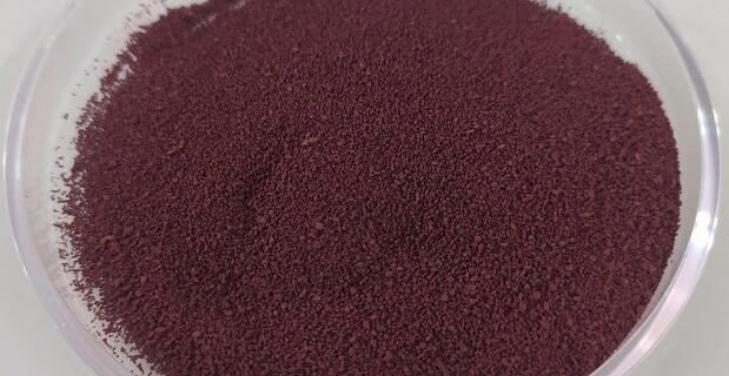
Canthaxanthin is a carotenoid pigment found in foods and used for coloring and specialized nutritional applications.
What Is Canthaxanthin?
Canthaxanthin is a naturally occurring carotenoid belonging to the xanthophyll pigment group, responsible for the characteristic red-orange color in some organisms and foods. This compound has attracted attention in nutrition, food technology, and health research due to its antioxidant properties.
Natural Carotenoid Pigment
Canthaxanthin has a polyene structure rich in conjugated double bonds, which helps the molecule absorb light and create its striking color. This structure also supports its ability to interact with free radicals, thereby contributing to the carotenoid's antioxidant activity.
Antioxidant Activity
In biological environments, canthaxanthin can help control reactive oxidizing molecules. Researchers have studied this activity in many cell and biological models, particularly in relation to oxidative stress.
Relationship to Other Carotenoids
Canthaxanthin is chemically closely related to astaxanthin and beta-carotene. Its unique structure gives this compound its distinctive color, light-absorption properties, and biological effects.
Natural Sources of Canthaxanthin
Canthaxanthin occurs naturally in many organisms, particularly in some fungi, microalgae, crustaceans, and fish. The content of this carotenoid varies by species, habitat, diet, and growing conditions.
Fungi and Algae
Some fungi and microalgae can produce canthaxanthin as part of their carotenoid pigment system. These microorganisms attract interest in nutritional research and biotechnology because they can produce natural pigments.
Crustaceans and Fish
Shrimp, crabs, and some aquatic animals may contain canthaxanthin in their carotenoid-rich tissues or organs. Some fish also accumulate this compound through food sources in the food chain.
Factors Affecting Concentration
Canthaxanthin concentration depends on species, food source, age, environment, and growing conditions. Food processing and preservation can also alter carotenoid content through heat, light, and oxygen.
Canthaxanthin as a Food Colorant
Canthaxanthin has a characteristic red-orange color, making it valuable in food technology. This carotenoid's light-absorbing properties help create visual color in several food products and ingredients.
Red-Orange Food Pigment
Canthaxanthin creates its red-orange color through the conjugated double bond system in its molecular structure. This pigment characteristic supports color adjustment, enhances visual appeal, and maintains color characteristics for suitable food applications.
Food Applications
Canthaxanthin has been used in several food and animal feed products, contributing to the color of products requiring red or orange hues. The amount used depends on the technological purpose and current regulations.
Regulatory Considerations
Food regulatory agencies regulate the scope of use, usage levels, and safety standards of canthaxanthin in each country. Manufacturers must comply with the relevant labeling requirements, usage limits, and quality standards.
Potential Health Benefits of Canthaxanthin
Canthaxanthin has attracted attention in health research because of its carotenoid structure, rich in conjugated double bonds, and its antioxidant activity. Current research focuses on its interactions with oxidative processes and cellular-level biological responses.
Antioxidant Activity
Canthaxanthin interacts with free radicals and reactive oxygen species. This activity helps protect lipid structures and cellular components from oxidative stress under certain biological conditions.
Cellular and Metabolic Research
Research models are investigating canthaxanthin's effects on cellular signaling, lipid metabolism, and oxidative stress mechanisms. This data provides a basis for in-depth research on the biological role of carotenoids.
Evidence and Human Health
Current evidence is primarily focused on preclinical research and biomechanics. Specific health benefits in humans need to be evaluated through well-designed clinical studies with clear dosages and appropriate follow-up periods.
Canthaxanthin and Skin Pigmentation
Canthaxanthin can accumulate in lipid-rich tissues, with the skin retaining some carotenoids after absorption. This property links canthaxanthin to skin color and pigmentation applications.
Carotenoid Accumulation
Once in the body, canthaxanthin is distributed through the circulatory system and can accumulate in adipose tissue. Carotenoids in the skin contribute to a yellow-orange or red-orange hue, depending on the amount accumulated and the individual's biological characteristics.
Tanning Applications
Canthaxanthin has appeared in some skin-coloring products and tanning pills. The amount of carotenoids accumulated in tissues can create skin pigmentation from within, resulting in a characteristic skin color over time.
Skin Color and Safety
Skin color related to canthaxanthin reflects carotenoid accumulation in tissues. Prolonged use of high doses increases the risk of excessive accumulation and adverse effects; therefore, dose control is crucial for safe use.
Canthaxanthin and Eye Health
Canthaxanthin is particularly linked to eye health because this carotenoid can be distributed and accumulate in eye tissues. This characteristic becomes important when the body receives high amounts of canthaxanthin over a prolonged period.
Retinal Accumulation
Canthaxanthin can accumulate in the retina, especially in the macular region. At high concentrations, carotenoid crystals can form in retinal tissue, creating characteristic changes on fundus examination.
Canthaxanthin Retinopathy
Canthaxanthin retinopathy describes the accumulation of canthaxanthin crystals in the retina, often associated with long-term use of large amounts of carotenoids. Patients may experience vision changes, reduced visual acuity, or blurred vision.
Eye Safety
Controlling canthaxanthin intake helps limit the risk of excessive accumulation in the retina. Supplement users should follow the recommended dosage and watch for unusual vision changes while using it.
Canthaxanthin Dosage and Supplement Use
The canthaxanthin dose depends on the intended use, the product form, and the total amount of carotenoids the body receives. Dose control is important because canthaxanthin can accumulate in tissues with long-term use.
Dietary Intake
Food usually contains canthaxanthin in small amounts. Food sources provide carotenoids along with many other nutrients, and absorption varies depending on meal composition and individual digestive characteristics.
Supplement Dosage
Supplements containing canthaxanthin have higher concentrations than food sources. Follow the label dosage and calculate the total carotenoid intake from all products used.
Safe Supplement Use
Duration of use, health status, and accompanying supplements all affect canthaxanthin exposure. A healthcare professional can help choose an appropriate dose, especially if users plan to use the product long term.
Canthaxanthin Side Effects and Safety
Canthaxanthin's safety profile depends on dosage, duration of use, and overall exposure. High doses over extended periods require particular control because this carotenoid can accumulate in tissues and affect several organs.
Digestive and Skin Effects
Some people using high doses of canthaxanthin may experience gastrointestinal discomfort such as nausea, abdominal pain, or changes in bowel movements. Carotenoids can also accumulate in the skin, creating a yellow-orange discoloration when the body receives large amounts over a prolonged period.
Retinal Effects
Canthaxanthin can accumulate in the retina and form carotenoid crystals. Prolonged exposure to high doses is associated with canthaxanthin retinopathy, a condition that can cause visual changes and affect the ability to see details.
Safety Considerations
Users should follow the recommended dosage, avoid self-administering doses, and monitor for unusual vision changes. Healthcare professionals can assess overall exposure levels and guide appropriate usage duration.
Canthaxanthin and Medication Considerations
Consider canthaxanthin in the context of existing supplements and medications, especially for long-term use. Interaction assessments help monitor carotenoid exposure and support safe use.
Medication Review
Users should provide their healthcare professional with a complete list of prescription, over-the-counter, and dietary supplements. This information helps assess potential interactions, adjust timing, and monitor total carotenoid intake.
Other Carotenoid Supplements
Many supplements contain carotenoids such as beta-carotene, astaxanthin, or lutein. Using multiple products at once increases total carotenoid intake, so check the ingredients and dosage on each label.
When to Seek Guidance
Individuals undergoing treatment for chronic illnesses, taking multiple medications, or planning to take high doses of canthaxanthin should consult their doctor or pharmacist. A professional evaluation helps determine appropriate usage levels and monitor for abnormalities during supplementation.
How to Get Canthaxanthin Safely
You can get canthaxanthin from food or specialized supplements. A safe approach focuses on reliable sources, appropriate dosage, and reasonable use time, especially when using concentrated forms.
Choose Food Sources
Some foods and aquatic organisms contain canthaxanthin naturally. A varied diet helps introduce carotenoids along with protein, fat, and other micronutrients, supporting absorption and metabolism.
Select Reputable Supplements
Users should choose products with transparent labels that clearly state canthaxanthin content, supplemental ingredients, and usage instructions. Products from reputable manufacturers help control quality and sourcing.
Control Long-Term Exposure
Adhering to the recommended dose helps limit carotenoid accumulation in tissues. Long-term users should monitor changes in vision, skin color, and digestive symptoms, and consult a doctor if any unusual signs appear.
Conclusion
Canthaxanthin is a carotenoid with a characteristic red-orange color, present in several natural sources and many food applications. Its antioxidant activity continues to attract research into cellular health and metabolism.
Controlling intake is key to safety. Prolonged high-dose intake can accumulate in the retina and is associated with canthaxanthin retinopathy and visual changes.
Frequently Asked Questions (FAQs)
- What Is Canthaxanthin? – Canthaxanthin is a carotenoid in the xanthophyll group that produces a characteristic red-orange color. It occurs naturally in some fungi, microalgae, crustaceans, and fish. Researchers also study this compound for its antioxidant activity and use as a food coloring.
- What Foods Contain Canthaxanthin? – Canthaxanthin is found in some fungi, microalgae, crustaceans, and fish. Its content varies according to species, food source, habitat, and growing conditions. Processing, storage, and light exposure can also affect carotenoid levels.
- What Are the Benefits of Canthaxanthin? – Canthaxanthin shows antioxidant activity in biological studies, helping regulate reactive oxygen species and oxidative stress. These properties support research into cellular health, while clinical benefits in humans require further evidence.
- Can Canthaxanthin Affect Eye Health? – Canthaxanthin can accumulate in the retina when high doses are taken over a prolonged period. Carotenoid crystals in the macula are associated with canthaxanthin retinopathy, a condition that can cause changes in vision and detail perception.
- Is Canthaxanthin Safe as a Supplement? – Canthaxanthin should be used at the recommended dose while considering the total amount of carotenoids from multiple products. Prolonged use of high doses can increase accumulation in tissues, particularly the retina, so consult a healthcare professional before long-term use.
