
These tiny blueberries contain a high density of antioxidants, which have a powerful impact on the cardiovascular system. Their deep bluish-purple color reflects the presence of anthocyanins, compounds that promote vascular protection and support efficient circulation.
The heart functions properly when it receives sufficient essential nutrients. Blueberries provide flavonoids, fiber, and vitamins, contributing to regulated blood pressure, improved cholesterol levels, and enhanced cardiovascular health over time.
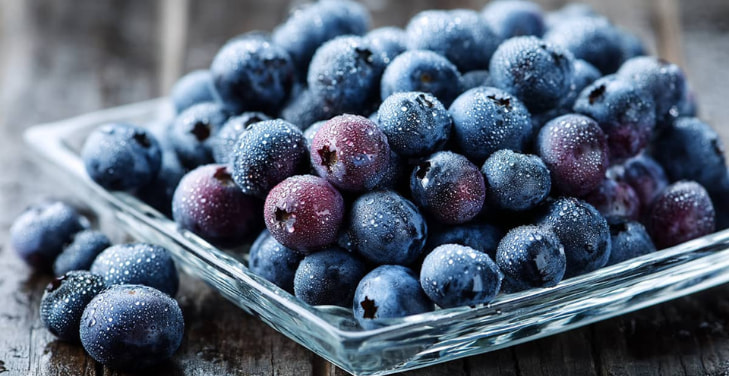
Fresh blueberries rich in antioxidants help protect heart health and improve circulation naturally.
What Are Blueberries?
Blueberries are small, compact, and intensely blue-purple berries, packed with beneficial biological value. Each berry contains a thin skin coated with potent active compounds, creating a concentrated source of nutrients that support cardiovascular health and metabolism.
Botanical Characteristics
Blueberries belong to the genus Vaccinium and thrive in temperate climates. They have a soft, juicy berry structure with tiny, evenly distributed seeds. The deep color reflects a high density of natural antioxidant compounds, particularly in the skin.
Key Bioactive Compounds
Anthocyanins create the characteristic blue-purple color and promote vascular endothelial function. Flavonoids and polyphenols activate cell-protective mechanisms, helping to reduce oxidative stress. Vitamin C and soluble fiber help regulate circulation and lipid metabolism.
Nutritional Identity
Each serving of blueberries provides a light energy source rich in essential micronutrients. The high water content combined with fiber helps maintain homeostasis. This nutritional profile positions blueberries as a natural functional food for cardiovascular health.
Nutritional Profile for Cardiovascular Support
Blueberries' nutritional profile provides a solid foundation for cardiovascular health. Each component acts as a biological link, working in harmony to maintain stable circulation and protect blood vessel structure.
Rich in Antioxidants
Anthocyanins, densely concentrated in the peel, promote free radical neutralization. Flavonoids activate endogenous enzymes, enhancing endothelial cell resilience. These compounds maintain the flexibility of blood vessel walls and support smooth blood flow.
Essential Vitamins and Minerals
Vitamin C promotes collagen synthesis, strengthening blood vessel structure. Vitamin K helps regulate blood clotting and protect the microvascular system. Potassium helps stabilize blood pressure, supporting efficient and rhythmic heart function.
Dietary Fiber and Metabolic Support
Soluble fiber regulates lipid absorption, contributing to maintaining cholesterol balance. The structure of dietary fiber supports the gut microbiome, thereby positively impacting cardiovascular metabolism. This nutritional foundation creates a comprehensive heart-protective effect.
How Blueberries Support Heart Function
Blueberries activate numerous biological mechanisms that help the heart function smoothly and sustainably. The bioactive compounds work in synergy, creating a protective effect on blood vessels and optimizing blood flow throughout the circulatory system.
Enhancing Endothelial Function
Anthocyanins promote nitric oxide production, effectively dilating blood vessels and improving vessel wall elasticity. The vascular endothelium maintains its flexibility, thereby supporting stable blood flow with each heartbeat.
Reducing Oxidative Stress
The antioxidants in blueberries neutralize free radicals, protecting heart cells from damage. This process maintains cell membrane structure and sustains myocardial performance over time.
Supporting Blood Flow Efficiency
Flavonoids improve blood viscosity and optimize oxygen transport. The circulatory system functions more smoothly, helping the heart distribute nutrients to organs efficiently and continuously.
Impact on Blood Pressure Levels
Blueberries positively influence blood pressure through several closely linked biological mechanisms. Active compounds promote the regulation of vascular tone, thereby helping the cardiovascular system function more stably and smoothly over time.
Promoting Vascular Relaxation
Anthocyanins stimulate nitric oxide production, allowing smooth muscle in the vessel walls to relax flexibly. This process reduces pressure on the vessel walls and supports regular blood flow. Vascular elasticity is maintained, providing a foundation for stable blood pressure.
Improving Circulation Efficiency
Flavonoids enhance microcirculation and improve oxygen delivery. Blood flows smoothly through the capillary system, reducing the burden on the heart to pump blood. Circulatory efficiency is optimized, helping maintain blood pressure within a healthy range.
Supporting Electrolyte Balance
Potassium in blueberries regulates electrolyte balance and supports blood pressure control. The combination of minerals and bioactive compounds helps maintain a stable heart rate while strengthening the body's natural blood pressure regulation function.
Cholesterol Management Benefits
Blueberries directly impact lipid metabolism, thereby supporting cholesterol control and protecting the cardiovascular system. The bioactive compounds in the fruit create a subtle regulation, helping to maintain blood lipid balance and stabilize blood vessel structure.
Regulating LDL Levels
Anthocyanins promote lipoprotein metabolism, helping to reduce LDL accumulation in the plasma. The liver functions more efficiently in processing cholesterol, thereby limiting lipid deposition on blood vessel walls. Blood flow remains smooth and flexible.
Enhancing HDL Function
Flavonoids activate the reverse cholesterol transport mechanism, returning excess cholesterol to the liver for processing. HDL becomes more active, helping clean blood vessels and maintain a healthy circulatory environment.
Preventing Plaque Formation
Polyphenols protect the vascular endothelium and reduce lipid oxidation. Blood vessel walls maintain their strength, limiting plaque formation. This mechanism strengthens the foundation for preventing atherosclerosis and maintaining long-term cardiovascular health.
Anti-Inflammatory Effects on the Heart
Blueberries produce a powerful anti-inflammatory effect, helping maintain a stable biological environment for the heart. Bioactive compounds regulate inflammatory responses, thereby supporting the protection of blood vessel structures and optimizing cardiovascular function.
Modifying Inflammatory Pathways
Anthocyanins regulate the activity of pro-inflammatory cytokines, helping to balance immune signaling in the body. This process helps keep inflammatory responses under control, supporting stable cardiovascular function.
Protecting Vascular Integrity
Polyphenols strengthen the endothelium and reduce damage caused by inflammation. Blood vessel walls maintain strength and flexibility, thereby supporting efficient and continuous blood flow through the circulatory system.
Reducing Chronic Inflammation Load
Flavonoids reduce the accumulation of chronic inflammatory factors in heart tissue. The internal environment becomes more balanced, helping the heart maintain high and sustainable performance over time.
Blood Sugar Control and Heart Health
Blueberries simultaneously impact blood sugar control and cardiovascular health through sophisticated metabolic mechanisms. The combination of fiber and antioxidants helps stabilize homeostasis, thereby reducing stress on the circulatory system.
Stabilizing Glucose Levels
Soluble fiber slows the absorption of glucose into the bloodstream, helping to maintain stable blood sugar levels after meals. The body maintains a balanced energy state, creating favorable conditions for the heart to function smoothly.
Enhancing Insulin Sensitivity
Anthocyanins improve the insulin responsiveness of cells. Glucose is transported efficiently into tissues, supporting metabolic control and reducing the burden on the cardiovascular system.
Reducing Cardiometabolic Risk
Flavonoids regulate metabolic risk factors related to the heart. A stable biological environment helps limit vascular damage and strengthens heart function in the long term.
Scientific Evidence Behind Blueberry Benefits
Scientific evidence for blueberries comes from numerous clinical studies and specific biological mechanisms. Experimental data show that compounds in blueberries have a positive impact on the cardiovascular system and metabolism.
Clinical Trial Findings
Many clinical trials have reported improvements in blood pressure and endothelial function after blueberry supplementation. Participants exhibited enhanced blood circulation and stable cardiovascular indicators. These results reflect clear biological effects in a real-world setting.
Biochemical Mechanisms
Anthocyanins and flavonoids activate cellular signaling pathways involved in antioxidant and vasodilation. These mechanisms promote nitric oxide production and support vascular endothelial protection.
Long-Term Cardiovascular Outcomes
Epidemiological data suggest that diets rich in blueberries are associated with a lower risk of cardiovascular disease. The cumulative benefits over time reinforce blueberries' role as a sustainable cardiovascular-supporting nutrient.
Best Ways to Eat Blueberries for Heart Protection
The way you consume blueberries directly affects their effectiveness in protecting your heart. Choosing the right method optimizes nutrient absorption and maintains sustainable biological effects in the body.
Fresh and Whole Consumption
Fresh blueberries retain their full content of anthocyanins and heat-sensitive vitamins. Eating them directly allows for rapid absorption of antioxidants. The fruit's natural texture aids digestion and maintains blood sugar balance.
Incorporating into Daily Meals
Blueberries can be flexibly incorporated into breakfast with oatmeal, yogurt, or salad. This combination enhances nutritional value and creates a synergistic effect for heart health. Meals become more varied and rich in essential nutrients.
Optimal Portion and Timing
A serving of about a handful per day provides a steady supply of antioxidants. Consuming them in the morning or midday helps the body utilize energy efficiently. Maintaining a routine reinforces cardiovascular benefits over time.
Who Should Focus on Heart Health with Blueberries?
Blueberries offer significant cardiovascular benefits to a wide range of individuals with varying physiological needs. Adding this fruit to the diet helps strengthen the circulatory system and supports the maintenance of stable metabolism.
Individuals with Cardiovascular Risk Factors
People with high blood pressure, dyslipidemia, or a family history of heart disease receive significant benefits from blueberries. The bioactive compounds help improve vascular function and enhance circulatory regulation.
People with Sedentary Lifestyles
Sedentary individuals often face reduced blood circulation and heart performance. Blueberries help activate microcirculation and boost metabolism, thereby helping the cardiovascular system function more efficiently in a sedentary environment.
Aging Population
The aging process is accompanied by changes in blood vessel structure and decreased elasticity. Blueberries provide powerful antioxidants, which help maintain the strength of blood vessels and support stable heart function over time.
Conclusion
Blueberries provide a rich source of anthocyanins, flavonoids, and fiber, thereby comprehensively supporting cardiovascular function. These active compounds work together to regulate blood pressure, improve cholesterol levels, and promote efficient blood circulation.
The habit of including blueberries daily helps strengthen blood vessel structure and maintain stable metabolic function. This simple choice creates a positive long-term impact, contributing to a healthy and sustainable cardiovascular system.
Frequently Asked Questions (FAQs)
- Do blueberries help reduce the risk of heart disease? – Blueberries provide anthocyanins and flavonoids that support endothelial function, healthy blood circulation, and blood pressure regulation. These effects may contribute to cardiovascular health and help address several heart disease risk factors.
- How many blueberries should you eat daily for heart health? – A serving of approximately 75–150 grams of blueberries can provide a substantial amount of anthocyanins, fiber, and other beneficial plant compounds. The appropriate amount depends on overall diet, health status, and individual nutritional needs.
- How do blueberries affect cholesterol? – Polyphenols in blueberries may support healthy lipid metabolism and cardiovascular function. Including blueberries in a balanced diet can contribute to overall heart health, although they should not replace prescribed cholesterol-lowering treatment.
- Should people with high blood pressure eat blueberries? – People with high blood pressure can include blueberries as part of a heart-healthy diet. Their anthocyanins and other polyphenols may support vascular function and healthy blood pressure when combined with appropriate nutrition and lifestyle habits.
- Are fresh or frozen blueberries better for cardiovascular health? – Both fresh and frozen blueberries can provide anthocyanins and other beneficial nutrients. Frozen blueberries can retain much of their antioxidant content during storage, while fresh blueberries offer convenient use when properly stored.
