
Recent studies continue to draw attention to red clover tea due to its isoflavone content and natural antioxidant compounds. Nutritionists and herbal medicine experts consider this tea a rich source of bioactive plant compounds that, when consumed appropriately, contribute to overall health.
Publications in nutrition and endocrinology journals also acknowledge the potential of isoflavones in supporting endocrine, cardiovascular, and bone health. This scientific foundation makes red clover tea a subject of interest in modern healthcare.
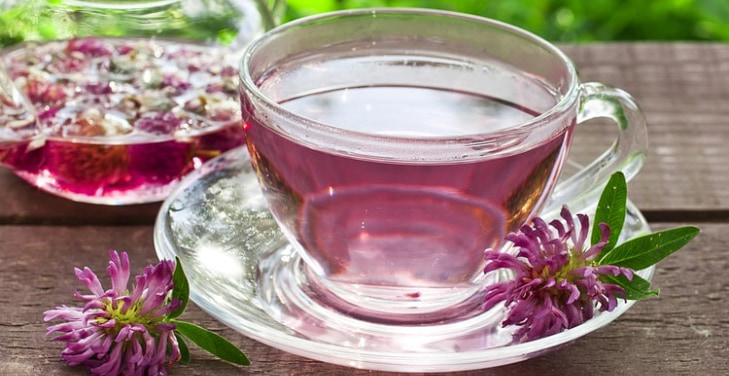
Red clover tea is prepared from dried blossoms containing naturally occurring antioxidant plant compounds.
What Is Red Clover Tea?
Red clover tea is an herbal tea made from the flowers of the Trifolium pratense plant, belonging to the legume family. This tea has long been used in traditional medicine and is gaining attention for its many bioactive plant compounds. Its mild flavor and natural origin make red clover tea a popular choice in many health care regimens.
Botanical Origin
The red clover plant grows in many temperate regions of Europe, Asia, and North America. Its flowers have a distinctive purplish-pink color and contain isoflavones, flavonoids, and many antioxidants. Harvesters usually dry the flowers immediately after picking to preserve their aroma and beneficial components.
How Red Clover Tea Is Made
Red clover tea is brewed by steeping dried flowers in hot water for a few minutes. The tea has a light amber color, a mild aroma, and a naturally sweet taste. Many people add honey or lemon to enhance the flavor and make it more enjoyable.
Nutritional Profile and Bioactive Compounds
Red clover tea contains many bioactive plant compounds, forming the basis of health benefits that have been studied for many years. The tea's composition varies with the quality of the raw materials, the harvest time, and the processing method, while still retaining the characteristic active compounds of red clover flowers.
Isoflavones
Isoflavones are the most prominent group of active compounds in red clover tea, including biochanin A, formononetin, genistein, and daidzein. These compounds are involved in many physiological processes related to endocrine, cardiovascular, and bone health.
Antioxidants and Flavonoids
Flavonoids, along with other antioxidants, help neutralize free radicals, supporting cell protection against oxidative stress. These compounds also help maintain vascular function and overall health.
Vitamins and Minerals
Red clover tea provides small amounts of vitamin C, calcium, magnesium, potassium, and many other natural trace minerals. Although the mineral content in the tea is modest, it still adds nutritional value to a balanced diet.
Potential Health Benefits of Red Clover Tea
Red clover tea provides many bioactive plant compounds, especially isoflavones and flavonoids. Research continues to evaluate the role of this tea in various aspects of health. Regular use as part of a balanced diet contributes to the body's intake of these valuable compounds.
Hormonal and Bone Health
The isoflavones in red clover tea have a structure similar to plant estrogens and help support hormonal balance in women during perimenopause and menopause. Many studies also note its potential to maintain bone density, contributing to overall bone health over time.
Heart and Antioxidant Support
Red clover tea contains numerous antioxidants that help protect cells from oxidative stress and support vascular function. Some evidence also suggests that the active compounds in tea help maintain healthy circulation, support lipid metabolism, and enhance cardiovascular health when combined with a healthy lifestyle.
How to Brew Red Clover Tea Properly
Proper brewing helps red clover tea retain its delicate flavor and optimize the amount of plant compounds dissolved in the water. The quality of the ingredients, water temperature, and brewing time all directly affect the enjoyment and nutritional value of the tea.
Choose Quality Flowers
Prioritize dried red clover flowers with a natural purplish-pink color, a light aroma, and stored in airtight packaging. Clean, high-quality ingredients ensure consistent flavor and high usability.
Use the Right Water Temperature
Water at around 90–95°C effectively releases isoflavones, flavonoids, and aromatic compounds. Clean water also contributes to a clear and refreshing tea taste.
Steep for the Ideal Time
Steeping for 5–10 minutes allows the tea to achieve a harmonious aroma, a light sweetness, and a characteristic amber color. Users can adjust the time to suit their personal preferences.
Enhance the Flavor Naturally
Honey, lemon, or mint add a refreshing and rich flavor. These ingredients offer a pleasant experience at various times of the day.
Best Time to Drink Red Clover Tea
The timing of red clover tea consumption affects the enjoyment and the ability to maintain a regular drinking habit. Choosing a time that fits your daily routine helps your body absorb plant compounds more consistently and conveniently.
Morning or Afternoon
Morning or early afternoon is the preferred time for many people to enjoy red clover tea. A cup of tea after breakfast or lunch provides a relaxing feeling and helps supplement the antioxidants in your daily diet.
Drink with Meals
Drinking red clover tea after meals helps form a regular habit and creates a pleasant feeling of enjoyment. This habit also helps users maintain the necessary water intake throughout the day.
Maintain a Consistent Routine
Drinking red clover tea at the same time each day helps build a long-term habit. Regularity enables the body to consistently access plant-based active ingredients as part of a healthy lifestyle.
Recommended Intake
The appropriate amount of red clover tea depends on the intended use, health status, and total isoflavone intake from your daily diet. Maintaining a reasonable level of consumption helps establish a sustainable habit and supports long-term nutritional balance.
Suggested Daily Amount
Most adults can consume approximately 1–3 cups of red clover tea per day, equivalent to 240–250 ml per cup. Users should follow the manufacturer's instructions when using packaged or tea-bag products.
Factors That Influence Intake
Age, gender, diet, hormonal status, and health goals all affect the appropriate amount of tea to consume. Consulting a healthcare professional helps determine the appropriate usage level for each individual, especially when using red clover tea for extended periods.
Safety, Side Effects, and Drug Interactions
While red clover tea offers many beneficial plant compounds, its safety should be considered in specific circumstances. Proper dosage and understanding of risk factors enhance effectiveness and protect health during long-term use.
Possible Side Effects
Some individuals may experience headaches, gastrointestinal discomfort, bloating, or slight changes in their menstrual cycle. These symptoms are often related to individual responses to the natural isoflavones in red clover.
Drug Interactions
The compounds in red clover may interact with anticoagulants, hormone therapy, and some medications metabolized by the liver. Individuals undergoing treatment with these medications should consult a healthcare professional before incorporating red clover tea into their daily routine.
Choosing and Storing High-Quality Red Clover Tea
The quality of the raw materials determines the flavor, active ingredient content, and usability of red clover tea. Choosing high-quality products and using appropriate storage methods help maintain freshness, aroma, and plant compounds for longer.
How to Choose Quality Tea
Prioritize products with clear origins, intact packaging, and transparent ingredient information. High-quality red clover flowers typically retain their natural purplish-pink color, a delicate aroma, and a uniformly dry state. Quality certifications or organic farming practices also contribute to product credibility.
Proper Storage
Store red clover tea in an airtight container in a cool, dry place away from direct sunlight. A stable environment helps preserve the aroma, limit moisture, and maintain the quality of the tea's active compounds over time.
Conclusion
Red clover tea provides a source of isoflavones, flavonoids, and other valuable plant compounds that support endocrine, cardiovascular, and bone health, as well as antioxidant capacity. Choosing quality ingredients, brewing correctly, and using the right amount optimizes the experience and nutritional value of this herbal tea.
Each individual has different needs and health conditions. Consulting a healthcare professional before long-term use or when using red clover tea in combination with medication will help develop a safe, appropriate, and effective plan for use.
Frequently Asked Questions (FAQs)
- Can you drink red clover tea every day? – Many healthy adults can enjoy red clover tea daily in moderation, typically around 1–3 cups per day. Following the manufacturer's preparation instructions and consuming it in appropriate amounts supports safe use.
- Does red clover tea contain caffeine? – No. Red clover tea is naturally caffeine-free because it is made from the flowers of the Trifolium pratense plant. It is a suitable herbal tea for people who want to limit their caffeine intake.
- Who should consult a healthcare professional before drinking red clover tea? – Pregnant or breastfeeding women, individuals with hormone-sensitive conditions, people preparing for surgery, and those taking anticoagulants, hormone therapy, or certain medications metabolized by the liver should consult a healthcare professional before drinking red clover tea.
- How long does it take to notice the effects of red clover tea? – The time needed to notice potential effects varies depending on individual health goals, overall health, diet, and lifestyle. Regular consumption as part of a balanced diet may help the body consistently absorb its naturally occurring plant compounds.
- Can men drink red clover tea? – Yes. Men can drink red clover tea as a naturally caffeine-free herbal tea that provides flavonoids and other plant compounds. Moderate consumption as part of a balanced diet may support overall wellness.
