
Soy lecithin is found in chocolate, protein bars, and a host of other "healthy" food products. This tiny ingredient has sparked significant debate among the modern medical community about digestion, hormones, and immune responses.
A single energy bar for gym-goers can contain an amount of this additive equivalent to that of many processed foods. Modern consumers ingest soy lecithin daily through familiar products, paying little attention to its cumulative impact on gut health and metabolism.
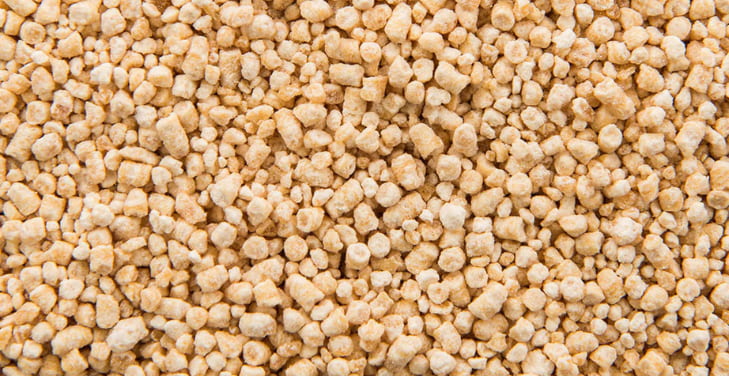
Soy lecithin is found in processed foods, supplements, chocolate, baked goods, and protein powders.
What Is Soy Lecithin and Why Is It Added to Foods?
Soy lecithin is widely used in modern processed foods due to its ability to stabilize texture and extend freshness. Manufacturers use this compound to enhance smoothness, prevent oil separation, and improve the eating experience. It is commonly found in chocolate, ice cream, baked goods, margarine, and packaged foods.
Source and Composition
Soy lecithin is extracted from soybean oil during the refining process. It contains phospholipids, fatty acids, and choline compounds involved in cellular activity and fat metabolism. The food industry values soy lecithin's oil-to-water blending properties.
Why Food Companies Use It
Food brands add soy lecithin to increase stability, improve texture, and maintain product consistency for longer periods. Chocolate becomes smoother and shinier, nutritional powders dissolve faster, and sauces retain their appealing consistency. Production costs are also reduced thanks to the ability to optimize the structure with small amounts used.
Common Products Containing Soy Lecithin
Soy lecithin is found in protein bars, milk powder, biscuits, breakfast cereals, and ready-to-eat foods. Many nutritional supplements also contain this substance to aid the dispersion of active ingredients and improve the stability of the formula.
Common Soy Lecithin Side Effects Reported by Consumers
Many consumers report adverse reactions after frequent consumption of foods containing soy lecithin. Symptoms commonly affect the digestive, nervous, and skin systems. The severity of the reaction varies depending on individual constitution, consumption amount, and sensitivity to soy.
Digestive Discomfort
Bloating, gas, and a feeling of heaviness in the stomach are quite common after eating foods containing soy lecithin. Some people experience mild cramps, diarrhea, or loose stools hours after consumption. The digestive system reacts more strongly when soy lecithin is present with refined fats and food additives.
Headaches and Fatigue
A group of users reported dull headaches, decreased concentration, and persistent fatigue after consuming products containing soy lecithin. Choline and phospholipid compounds may affect neurotransmission in sensitive individuals.
Skin and Sensitivity Reactions
Itchy skin, redness, and a mild burning sensation are common in people with food allergies. Some may also experience irritation around the mouth or throat discomfort after consuming chocolate, sweets, and protein bars containing soy lecithin.
Can Soy Lecithin Trigger Allergic Reactions?
Soy lecithin is directly linked to allergic reactions in individuals sensitive to soy protein. While the refining process reduces the protein content, a small amount remains in the finished product, sufficient to trigger the immune system in certain individuals.
Allergy Symptoms After Consumption
Individuals sensitive to soy often experience an itchy mouth, hives, skin redness, or a burning sensation after consuming foods containing soy lecithin. Some cases involve abdominal pain, nausea, and mild swelling around the lips. Reactions often start quickly after consuming chocolate, sweets, or packaged foods.
Cross-Contamination Risks
Many factories share processing lines for soy and other foods. Traces of soy protein may be present in the final product, increasing the risk of immune irritation. Individuals with a history of food allergies should carefully check the ingredient list and allergen warnings on packaging.
The Connection Between Soy Lecithin and Hormonal Concerns
Soy lecithin frequently comes up in discussions about hormones due to its soy origin and its association with phytoestrogens. Many are interested in the impact of this compound on hormones, fertility, and hormonal metabolism.
Phytoestrogens and Hormone Activity
Soybeans contain isoflavones—a group of phytoestrogens structurally similar to natural estrogen. When consumed regularly, these compounds interact with hormone receptors in the body. Some studies have noted slight changes in endocrine activity in individuals sensitive to plant estrogens.
Reproductive Health Discussions
Many nutrition experts are concerned about the effects of soy lecithin on the hormonal cycle, fertility, and male reproductive health. Individuals who regularly consume large amounts of processed soy-containing foods may experience minor fluctuations in hormonal balance.
Current Research Insights
Modern research focuses on evaluating the link between soy additives and long-term hormone activity. Scientists are paying particular attention to the cumulative effects of ultra-processed foods containing soy lecithin in daily diets.
Is Soy Lecithin Dangerous for Gut Health?
Soy lecithin directly affects the digestive environment when it is frequently present in ultra-processed foods. Many experts are concerned about the impact of this emulsifier on the gut microbiome, the intestinal lining, and the body's inflammatory responses.
Effects on Gut Bacteria
The gut microbiome reacts strongly to daily food additives. Soy lecithin alters the environment in which beneficial bacteria thrive and affects the breakdown of fats in the gut. Some studies have noted microbial imbalance in people who consume large amounts of foods containing industrial emulsifiers.
Intestinal Irritation and Inflammation
The intestinal lining becomes more sensitive with continuous exposure to food additives and refined oils. Some people experience bloating, dull abdominal pain, and discomfort after meals containing soy lecithin. Low-level inflammatory responses in the gut have also attracted attention from modern nutritional researchers.
Hidden Sources of Soy Lecithin in Everyday Products
Soy lecithin is abundant in packaged foods and many everyday consumer products. Most consumers consume this compound continuously without paying attention to the ingredient list. The food industry uses soy lecithin to improve product smoothness, stability, and shelf life.
Processed Snacks and Sweets
Chocolate, cookies, soft candies, and ice cream often contain soy lecithin to maintain a consistent texture and create a smooth feel. Packaged potato chips, energy bars, and breakfast cereals also use this substance to increase oil stability and flavor.
Supplements and Protein Products
Many whey protein supplements and nutritional powders contain soy lecithin to aid in dissolving active ingredients. Meal replacement products and sports drinks also add this emulsifier to improve viscosity and smoothness.
Frozen and Instant Foods
Frozen foods, instant noodles, premixed sauces, and packaged soups often contain soy lecithin. Modern consumers easily accumulate large amounts of this additive through their daily consumption of processed foods.
Soy Lecithin During Pregnancy and Breastfeeding
Soy lecithin has attracted significant attention during pregnancy and breastfeeding due to its direct impact on the endocrine system, fat metabolism, and neurological development of young children. During this period, women often consume soy lecithin through packaged foods, chocolate, infant formula, and supplements.
Hormonal Sensitivity During Pregnancy
Pregnant women experience significant hormonal fluctuations throughout pregnancy. Phytoestrogen compounds from soy are involved in endocrine activity and have generated much debate in the nutritional community. Some experts pay particular attention to the regular consumption of foods containing industrially produced soy additives.
Infant Exposure Through Breastfeeding
Components from the mother's diet directly affect the quality of breast milk and the infants' digestive systems. Infants sensitive to soy protein may experience bloating, skin irritation, or digestive discomfort when indirectly exposed through breast milk.
Processed Food Consumption Concerns
Modern pregnant women easily consume large amounts of soy lecithin from processed foods daily. Sweets, fast food, and nutritional drinks often contain high levels of emulsifiers and refined oils.
Who Should Avoid Soy Lecithin Completely?
Soy lecithin is controversial in the nutrition community due to its potential to stimulate immune responses and affect the digestive system in certain sensitive groups. Identifying the right individuals to avoid soy lecithin helps reduce the risk of irritation and limit prolonged health reactions.
People With Soy Allergies
Individuals with soy allergies often react strongly to products containing soy lecithin. Their immune system recognizes residual soy protein in the emulsifier and triggers symptoms such as hives, itchy mouth, abdominal pain, or swollen lips. These reactions appear quickly after consuming processed foods.
Individuals With Sensitive Digestion
Individuals with sensitive digestive systems are prone to bloating, abdominal cramps, and digestive upset after eating foods containing soy lecithin. Industrial emulsifiers affect the gut microbiome and increase discomfort after high-fat meals.
Consumers Following Soy-Free Diets
Many people adopt soy-free diets to control hormones, reduce inflammation, and improve gut health. Soy lecithin is often subtly present in candies, protein powders, and packaged foods, making careful ingredient reading crucial.
How Much Soy Lecithin Is Too Much?
Soy lecithin is found in many processed foods, leading to rapid increases in daily consumption. Many people consume this emulsifier continuously through candy, instant foods, and supplements without realizing the extent of its accumulation in their diet.
Daily Intake From Processed Foods
Chocolate, ice cream, protein bars, and industrial sauces often contain soy lecithin in high concentrations. Consumers of ultra-processed foods easily accumulate large amounts of this emulsifier in their bodies. High frequency of consumption increases the strain on the digestive system and fat metabolism.
Signs of Excessive Consumption
The body often signals this through bloating, intestinal discomfort, headaches, or persistent fatigue after meals containing many additives. Some people also experience skin irritation and a feeling of heaviness in the stomach when the amount of soy lecithin exceeds the digestive system's capacity to adapt.
Reading Ingredient Labels
Food labels provide important clues to help control daily soy lecithin intake. Industrially packaged products often list soy lecithin near the end of the ingredient list as an emulsifier or texturizer.
Safer Alternatives to Soy Lecithin in Foods and Supplements
Many consumers are now seeking emulsifiers to replace soy lecithin to support digestion, reduce allergy risk, and control the intake of industrial additives. The modern food industry is developing many new options with natural origins and simpler ingredients.
Sunflower Lecithin
Sunflower lecithin has become a popular choice in clean foods and premium nutritional products. This ingredient is extracted from sunflower seeds and contains phospholipids that support cell structure. People sensitive to soy often prefer sunflower lecithin to reduce the risk of immune irritation.
Egg-Based Emulsifiers
Lecithin from egg yolks provides strong emulsifying capabilities and helps create a smooth texture in food. Many premium products use this natural lecithin source in chocolate, sauces, and supplements. The choline content in eggs has also attracted attention from nutritionists.
Clean-Label Food Choices
The clean-label trend encourages consumers to choose foods with short and easily identifiable ingredient lists. Products with fewer additives generally reduce the strain on the digestive system and help control daily emulsifier intake.
Conclusion
Soy lecithin is widely found in processed foods, dietary supplements, and many everyday consumer products. This ingredient affects the digestive system, immune response, and hormonal balance in certain sensitive groups.
Carefully reading ingredient lists helps control the amount of additives consumed and supports the development of a healthier diet. Less processed foods, natural ingredients, and clean-label choices are increasingly gaining attention in modern nutritional trends.
Frequently Asked Questions (FAQs)
- Is soy lecithin harmful every day? – Soy lecithin is widely used in processed foods, and excessive long-term intake may influence digestion, immune responses, and hormonal balance in sensitive individuals.
- Can soy lecithin cause bloating? – Some individuals experience bloating, gas, and digestive discomfort after consuming foods containing soy lecithin due to sensitivity to processed emulsifiers.
- Does soy lecithin affect hormones? – Soy lecithin contains compounds linked to soy phytoestrogens, which may influence endocrine activity and hormone metabolism with frequent intake.
- Which foods contain soy lecithin most often? – Chocolate, cookies, ice cream, protein bars, instant noodles, and many packaged foods commonly contain soy lecithin to improve texture and stability.
- Is sunflower lecithin a better option? – Sunflower lecithin is a popular alternative in clean-label products and supports emulsification without relying on soy-derived ingredients.
