
Every daily nutritional choice contributes to shaping future cardiovascular health. Phytosterols are attracting attention due to their scientifically proven ability to support cholesterol control and promote a healthy lifestyle.
Understanding how much phytosterols you need daily helps build a diet tailored to individual needs and optimizes health benefits. Choosing the right amount and quality of food sources creates a sustainable foundation for a healthy heart and a long-term quality of life.
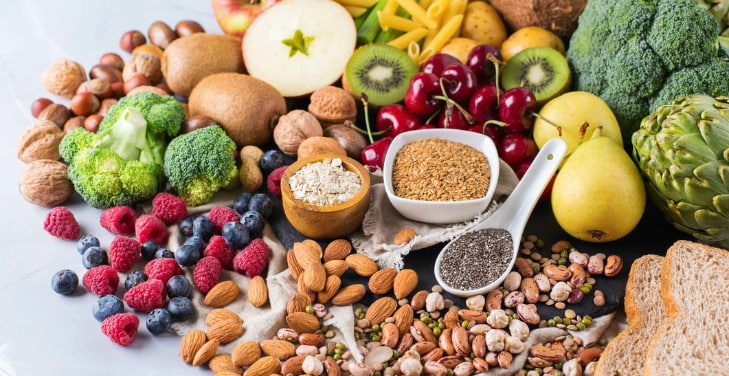
Phytosterol intake varies depending on dietary habits, cholesterol goals, and overall individual health.
What Are Phytosterols?
Phytosterols are a group of plant compounds naturally present in many plant-based foods. Their characteristic structure and important biological roles make them a key nutrient in strategies for supporting cardiovascular health and cholesterol control.
Natural Plant Compounds
Phytosterols exist in plant cell membranes and help maintain cell structure and function. This group of compounds is abundant in seeds, oilseeds, whole grains, legumes, vegetables, and vegetable oils. Beta-sitosterol, campesterol, and stigmasterol are the three most common forms.
Relationship With Cholesterol
The chemical structure of phytosterols is similar to that of cholesterol, facilitating their participation in lipid absorption in the digestive tract. This characteristic helps phytosterols support healthy LDL cholesterol levels when combined with a balanced diet and a healthy lifestyle.
Food and Supplement Forms
Phytosterols are sourced from natural foods and fortified products such as margarine, yogurt, or functional drinks. Dietary supplements often provide phytosterols in capsule, tablet, or softgel form with standardized dosages, allowing users to proactively plan their daily supplementation.
How Much Phytosterols Daily Is Recommended?
The daily amount of phytosterols depends on individual health goals and dietary habits. Current scientific recommendations focus on supporting healthy cholesterol levels while establishing a consistent, appropriate supplementation habit to meet long-term nutritional needs.
Recommended Daily Intake
A typical diet provides approximately 200–400 mg of phytosterols per day. Many cardiovascular guidelines recommend around 2 grams of phytosterols per day to support LDL cholesterol reduction in adults seeking lipid management. This level is highly effective when combined with a balanced diet and a healthy lifestyle.
Foods and Supplements
Natural foods provide phytosterols through nuts, vegetable oils, whole grains, and legumes. Fortified foods and supplements make achieving recommended intake more convenient, especially for those aiming to improve cholesterol levels. Healthcare professionals will determine the appropriate dosage based on each individual's health condition, diet, and treatment goals.
What Factors Influence Your Daily Needs?
Daily phytosterol needs vary depending on physiological characteristics, health goals, and dietary quality. Determining the appropriate supplementation amount optimizes cholesterol support and contributes to building a sustainable nutritional strategy for each individual.
Individual Health Status
Age, metabolic status, and blood lipid levels directly influence phytosterol needs. Individuals with high LDL cholesterol often aim for higher supplementation to help maintain blood lipid levels within the desired range. Regular health assessments help adjust the usage plan more accurately.
Dietary Habits
Diets rich in vegetable oils, nuts, whole grains, and legumes provide significant amounts of naturally occurring phytosterols. A varied diet increases total daily intake and supports long-term nutritional goals.
Professional Guidance
Healthcare professionals develop recommendations based on test results, medical history, cholesterol control goals, and current diet. Personalized guidance helps select the appropriate amount of phytosterols and maintain effectiveness throughout the treatment period.
Best Food Sources of Phytosterols
Foods rich in phytosterols play a crucial role in increasing natural daily intake. Choosing a diverse range of food sources helps provide beneficial fats, fiber, and essential micronutrients, thereby supporting cardiovascular health and maintaining nutritional balance.
Nuts and Seeds
Almonds, pistachios, sunflower seeds, sesame seeds, and pumpkin seeds provide significant amounts of phytosterols. These foods are also rich in unsaturated fats, vitamin E, and minerals, adding high nutritional value to daily meals.
Vegetable Oils and Whole Grains
Canola oil, sunflower oil, corn oil, and olive oil contain a fairly abundant amount of naturally occurring phytosterols. Whole grains such as oats, barley, and brown rice add phytosterols along with soluble fiber, contributing to a balanced diet.
Legumes and Fortified Foods
Soybeans, lentils, chickpeas, and other legumes provide a stable source of phytosterols along with quality plant protein. Many fortified products such as margarine, yogurt, and functional drinks also contain phytosterols in standardized amounts, making it easy for users to meet their daily intake goals.
When and How Should You Take Phytosterols?
The timing and method of using phytosterols significantly affect their effectiveness in supporting cholesterol control. Regular supplementation combined with appropriate meals optimizes absorption and maximizes the value of these plant compounds in your daily diet.
Take With Meals
Phytosterols are most effective when taken with main meals containing fat. The presence of fat stimulates lipid digestion, thereby facilitating the absorption of cholesterol in the intestines. Users can divide their intake into two or three meals to maintain consistent effectiveness.
Build a Consistent Routine
Maintaining a consistent daily intake helps form a long-term habit and supports achieving the recommended supplementation goal. A diet rich in vegetables, whole grains, nuts, and vegetable oils, combined with phytosterols, provides a solid foundation for cardiovascular health and helps control LDL cholesterol.
Can You Take Too Much Phytosterols?
Phytosterols offer many cardiovascular health benefits when used in the right dosage. Each body responds according to its own physiological characteristics, so choosing the right amount helps maintain long-term effectiveness and create balance in your diet.
Safe Intake Range
Many studies have shown that around 2 grams of phytosterols per day can help lower LDL cholesterol. In some cases, higher doses, as directed by professionals, are still considered safe. Maintaining the appropriate dosage optimizes benefits and enhances the value of your cardiovascular care program.
Nutrient Absorption
High amounts of phytosterols over a long period can reduce the absorption of some carotenoids and fat-soluble vitamins. A diet rich in colorful vegetables and fresh fruits helps maintain a plentiful supply of nutrients and balance nutritional needs.
People Requiring Medical Guidance
Individuals with sitosterolemia, those being treated for lipid disorders, or those following a specialized nutritional plan will benefit from professional medical guidance. Regular assessments help adjust phytosterol intake to align with healthcare goals and test results.
Who May Benefit Most from Daily Phytosterols?
Phytosterols offer significant benefits to many groups seeking cardiovascular health and cholesterol control. Supplementing the right amount according to individual goals enhances the effectiveness of a diet and helps maintain blood lipid levels within the desired range.
People With Elevated LDL Cholesterol
Individuals with high LDL cholesterol often benefit significantly from daily phytosterol supplementation. When combined with a high-fiber diet, regular exercise, and maintaining a healthy weight, phytosterols help reduce cholesterol absorption and improve cardiovascular health.
Adults Following Heart-Healthy Diets
Adults actively pursuing heart-healthy diets can supplement phytosterols through natural foods or fortified products. This practice contributes to improved dietary quality and supports long-term cholesterol control.
Phytosterols From Foods vs. Supplements
Phytosterols can be obtained from natural foods or specialized supplements. Each source offers unique characteristics in terms of content, convenience, and ability to meet nutritional goals, thus helping users build a suitable health care strategy.
Natural Food Sources
Nuts, vegetable oils, beans, whole grains, and vegetables provide phytosterols along with fiber, vitamins, minerals, and many antioxidants. A varied diet helps increase natural phytosterol levels, while improving overall nutritional quality and supporting cardiovascular health.
Dietary Supplements
Pills, softgels, and fortified foods provide standardized amounts, making it easy for users to reach a goal of about 2 grams per day. This form is suitable for people who need to control cholesterol or have difficulty meeting phytosterol requirements through their daily diet.
Choosing the Right Approach
The choice of supplement depends on your diet, health goals, and the recommendations of a healthcare professional. Combining foods rich in phytosterols with supplements when necessary helps optimize absorption and support long-term effectiveness.
Practical Tips for Meeting Your Daily Intake
Achieving your recommended daily intake of phytosterols becomes simple by building healthy eating habits and choosing the right foods. Small adjustments to your daily diet create a positive cumulative effect, helping to control cholesterol and improve cardiovascular health.
Prioritize Plant-Based Foods
Prioritizing nuts, beans, whole grains, vegetable oils, and vegetables in each meal helps increase natural phytosterol intake. A varied menu also provides additional fiber, vitamins, and antioxidants, thereby enhancing overall nutritional value.
Plan Meals Consistently
Building a weekly meal plan helps distribute phytosterol-rich foods appropriately across main meals. Adopting habits such as using quality vegetable oils, adding nuts to breakfast or snacks, and choosing products fortified with phytosterols helps maintain consistent intake and supports long-term health goals.
Conclusion
Phytosterols play a crucial role in cholesterol control strategies and cardiovascular health protection. Maintaining appropriate levels through a balanced diet or supplements optimizes long-term effectiveness.
Building a diet rich in plant-based foods, maintaining regular exercise, and monitoring blood lipid levels periodically lays a solid foundation for cardiovascular health. Choosing what suits individual needs and consulting with healthcare professionals helps maximize the benefits of phytosterols in daily life.
Frequently Asked Questions (FAQs)
- Are phytosterols safe for daily use? – Phytosterols are generally considered safe for daily use when consumed in recommended amounts. Most healthy adults can obtain them from foods or fortified products, and combining them with a balanced diet and regular health monitoring supports long-term use.
- How many phytosterols per day help lower cholesterol? – Research suggests that about 2 grams of phytosterols per day may help lower LDL cholesterol when combined with a heart-healthy diet. Individual needs vary based on cholesterol levels, health goals, and guidance from a healthcare professional.
- Which foods are high in phytosterols? – Good dietary sources of phytosterols include nuts, seeds, vegetable oils, beans, whole grains, and certain fortified foods. Eating a variety of these foods can increase phytosterol intake while providing additional heart-supportive nutrients.
- When is the best time to take phytosterols? – Phytosterols are most effective when consumed with a main meal that contains fat because they work by reducing cholesterol absorption in the digestive tract. Taking them consistently each day may help support ongoing cholesterol management.
- Should you get phytosterols from food or supplements? – Natural foods provide phytosterols together with fiber, vitamins, and antioxidants, while supplements and fortified products offer standardized amounts for cholesterol management. The best choice depends on your dietary pattern, nutritional needs, and health goals.
