
A common sunscreen ingredient can raise health questions when used long-term. Homosalate is a UV filter that helps sunscreen formulas absorb UVB radiation and protect the skin.
The key point is how the body interacts with and absorbs this ingredient through the skin. Studies are focusing on endocrine activity, hormonal effects, skin reactions, and the implications of repeated exposure. Understanding this data helps users evaluate homosalate scientifically.
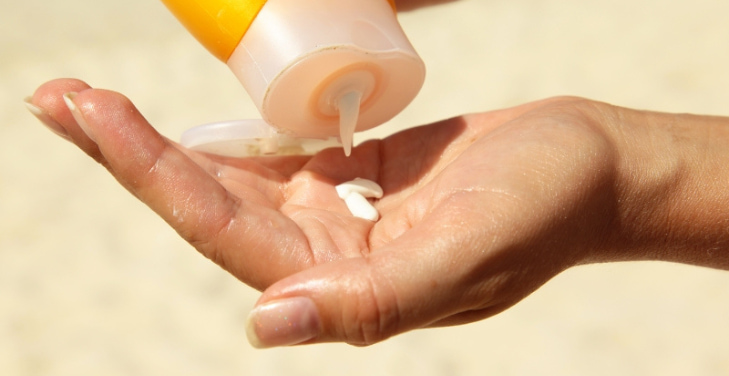
Homosalate in sunscreen raises questions about absorption, endocrine effects, and long-term safety.
What Is Homosalate?
Homosalate is an organic compound used in many sunscreen formulations because it absorbs ultraviolet rays, especially UVB rays. This ingredient helps protect the skin from sun exposure and supports product stability.
UV Filter Ingredient
Homosalate acts as a UVB filter, absorbing energy from ultraviolet radiation before it penetrates deeper into the skin. This property helps sunscreen formulations achieve their intended protective effect.
Personal-Care Products
Homosalate appears in some sunscreens, lotions, and personal care products designed to protect skin from sunlight. The concentration used depends on the formulation and each market's regulatory requirements.
Role in Sunscreen Formulations
In sunscreen formulations, homosalate supports the UV filter system and contributes to the product's texture. Manufacturers often combine multiple UV filters to build broad-spectrum protection.
Why Are Homosalate Dangers Being Discussed?
Concerns about homosalate dangers focus on the body's ability to absorb this ingredient through the skin and the potential effects of repeated exposure. Researchers are particularly interested in endocrine activity, systemic exposure levels, and health implications of long-term use.
Systemic Exposure Concerns
Studies on homosalate note its ability to cross the skin barrier and enter the bloodstream after sunscreen application. Reapplication frequency, skin contact area, and formulation concentration all influence total exposure.
Endocrine Activity Research
Toxicological studies focus on homosalate's potential interactions with the hormonal system. Some experimental data suggest endocrine receptor-related activity, prompting further research into the mechanism of action and its relevance to human health.
Evidence and Online Claims
Safety assessments should be based on data regarding dosage, route of exposure, duration of exposure, and human evidence. Current scientific conclusions focus on determining significant exposure levels and accurately interpreting findings from laboratory studies.
How Does Homosalate Enter the Body?
Homosalate can enter the body primarily through skin contact when users apply sunscreen or personal care products containing this ingredient. The degree of absorption depends on the formulation, the amount of product used, and the area of skin exposed.
Skin Absorption
The skin may absorb some homosalate after direct contact with the skin surface. Pharmacokinetic studies focus on how much of the ingredient penetrates the skin, enters circulation, and remains in the body.
Repeated Sunscreen Application
Applying sunscreen multiple times a day increases the total amount of homosalate the skin is exposed to. Frequent use over large areas of skin may increase exposure over time.
Factors Affecting Exposure
Homosalate concentration, skin area, frequency of use, exposure time, and formulation characteristics all affect absorption. Skin barrier condition also influences whole-body exposure.
Potential Endocrine Effects of Homosalate
Homosalate has attracted attention in endocrine toxicology because several experimental studies have noted its potential interaction with hormone-regulating mechanisms. This topic focuses on biological activity, exposure levels, and health implications of regular exposure.
What Endocrine Disruption Means
Endocrine disruption describes interference with the production, transport, metabolism, or activity of hormones. These changes can affect biological processes such as metabolism, reproduction, and development.
Laboratory and Toxicological Findings
Several laboratory studies have noted homosalate activity related to the hormone system, including interactions with endocrine receptor mechanisms. Toxicological data to determine potential mechanisms and exposure levels require further evaluation.
Current Evidence Limitations
Existing studies utilize a variety of exposure models and conditions. Interpreting human risk requires considering dosage, exposure duration, absorption, and actual exposure levels from the product.
Homosalate and Hormonal Health
Homosalate and endocrine health have received attention from toxicological studies due to its potential interaction with hormonal regulatory mechanisms. This topic focuses on the thyroid gland, reproductive function, and development, while also considering real-life exposure levels.
Thyroid-Related Research
The thyroid gland coordinates many physiological activities through the hormones thyroxine and triiodothyronine. Several experimental studies investigate homosalate in the context of thyroid activity, hormone metabolism, and endocrine-related mechanisms.
Reproductive and Developmental Considerations
The hormonal system plays a crucial role in reproduction, pregnancy, and development. Toxicological studies are therefore interested in the potential influence of homosalate on biological pathways related to sex hormones and development.
Interpreting Human Evidence
Evaluate human data based on exposure dose, exposure time, absorption route, and study population characteristics. These factors help determine how relevant laboratory results are to real-world sunscreen use.
Homosalate Side Effects on the Skin
Homosalate may be associated with several reactions in the areas of skin contact with products containing this ingredient. The severity of these reactions depends on skin characteristics, product formulation, use frequency, and environmental conditions.
Skin Irritation and Sensitivity
Some people may experience stinging, burning, dryness, or redness after using products containing homosalate. Sensitive skin and a weakened skin barrier may increase discomfort.
Allergic and Contact Reactions
Contact reactions may cause itching, redness, mild swelling, or a rash at the application site. Allergic predisposition, formulation ingredients, and skin condition all affect the risk of reaction.
Factors Affecting Skin Discomfort
Frequency of application, amount of product, area of application, sweating, temperature, and friction can all affect skin sensation. Monitoring the reaction after each use helps identify irritation early.
Homosalate Exposure and Long-Term Health Concerns
Concerns about long-term homosalate exposure focus on the total cumulative exposure over time. Researchers consider skin absorption, body levels, and potential biological effects when users are frequently exposed.
Repeat Exposure Over Time
Regular use of sunscreens containing homosalate can lead to repeated exposure, especially when users apply it to large areas of skin and reapply it multiple times a day. Frequency, amount, and duration of exposure all contribute to determining total exposure.
Systemic Toxicity Questions
Toxicological studies assess homosalate's ability to enter the bloodstream and interact with biological systems. Concerns include endocrine activity, metabolism, and potential organ effects.
Cumulative Exposure Assessment
Researchers combine concentration, frequency, duration of use, and route of exposure to assess cumulative risk. Human data, laboratory studies, and pharmacokinetic information provide the basis for the safety assessment process.
What Do FDA and European Regulators Say About Homosalate?
The FDA and European regulatory agencies assess homosalate based on safety data, exposure levels, and product usage characteristics. Current regulations reflect different regulatory approaches between the two regions.
FDA's Regulatory Position
In the US, the FDA classifies homosalate as a sunscreen active ingredient requiring further data to determine GRASE status. The FDA continues to request additional data to assess the safety and efficacy of homosalate in over-the-counter (OTC) sunscreen products.
SCCS Safety Assessment
The European Union's SCCS assessed homosalate in 2021 and determined a maximum safe use level of 0.5% in cosmetic products within its assessment scope. The SCCS also noted inconclusive evidence of endocrine-disrupting activity.
Why Regulatory Limits Differ
Regulatory limits depend on the legal system, product type, route of exposure, and the safety data the regulatory authority reviews. The SCCS also provides separate assessments for some facial products, with a maximum of 7.34% under specific conditions.
How to Reduce Homosalate Exposure
Managing homosalate exposure focuses on product selection, reading ingredient labels, and establishing appropriate sun protection habits. Users can proactively control their daily exposure through practical choices.
Reading Sunscreen Ingredient Labels
Checking ingredient lists helps identify products containing homosalate. Users can prioritize formulas that clearly list the ingredient and consider the concentration when the manufacturer provides this information.
Choosing Alternative UV Filters
Sunscreen products with alternative UV filters offer more options for those who want to reduce homosalate exposure. Zinc oxide and titanium dioxide are mineral filters commonly found in many sunscreen formulations.
Broader Sun-Protection Strategies
Sun-protective clothing, wide-brimmed hats, sunglasses, and shade help reduce the amount of UV radiation that directly affects the skin. Combining multiple measures creates a comprehensive skin protection strategy, especially during prolonged outdoor activities.
Conclusion
Homosalate is a UV filter commonly found in sunscreens and personal care products. Exposure levels depend on concentration, frequency of use, skin area, and formulation characteristics.
Studies continue to investigate endocrine activity, systemic absorption, and long-term health implications. Reading ingredient labels, choosing appropriate formulations, and incorporating appropriate clothing, shade, and sun protection measures are crucial for effective exposure management.
Frequently Asked Questions (FAQs)
- What Are the Main Homosalate Dangers? – The main concerns surrounding homosalate involve dermal absorption, repeated exposure, and potential endocrine activity. Toxicological studies continue to evaluate its effects on the hormonal system, while the potential risk depends on dose and actual exposure levels.
- Does Homosalate Affect Hormones? – Experimental studies have reported that homosalate may interact with endocrine regulatory mechanisms. Research concerns include potential effects on hormone activity, thyroid function, reproduction, and development, while human findings should be interpreted according to specific exposure levels.
- Can Homosalate Cause Skin Reactions? – Homosalate may cause skin irritation in some people, including redness, itching, dryness, or stinging. Skin characteristics, product formulation, frequency of use, sweating, and friction can influence the likelihood and severity of reactions.
- Does Sunscreen Allow Homosalate Into the Body? – Homosalate can be absorbed through the skin when sunscreen products containing the ingredient are applied. The amount absorbed depends on concentration, application area, product quantity, and reapplication frequency, which influence overall exposure.
- How Can I Reduce Homosalate Exposure? – Reading ingredient lists carefully can help identify products containing homosalate. Users can choose formulas with different UV filters and combine sunscreen use with hats, sun-protective clothing, sunglasses, and shade to reduce overall UV exposure.
