
Oolong tea activates the brain much faster than many people imagine. Just one cup of hot tea is enough to create a sharp sense of alertness, boost concentration, and energize the body for hours.
The caffeine content in oolong tea is what makes this traditional tea so appealing. The caffeine level varies depending on the tea variety, roasting method, and brewing time, resulting in a deep, strong, and emotionally rich flavor experience with each sip of this fragrant, hot tea.
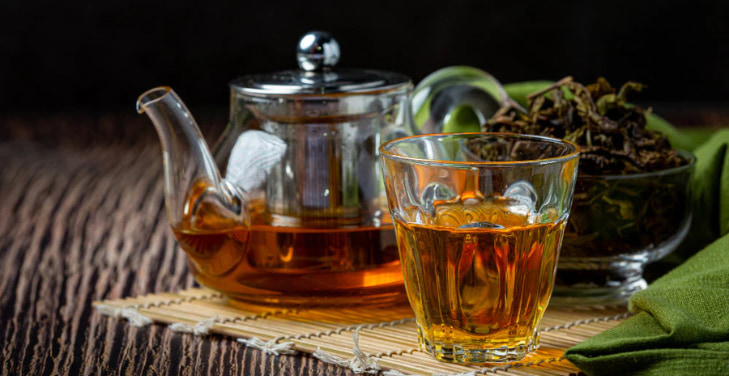
Oolong tea naturally contains caffeine that supports focus, alertness, and daily energy levels.
What Is Oolong Tea and How Is It Made?
Oolong tea offers a deep aroma, multi-layered flavors, and a lingering sense of alertness with each sip. This tea is made from Camellia sinensis leaves, which undergo meticulous processing to achieve its characteristic oxidation level. Each step directly impacts the color, flavor, and caffeine content of the tea.
Traditional Harvesting
Growers harvest mature tea leaves when they reach optimal thickness and high oil content. Early morning sunlight activates natural enzymes within the leaves, enhancing the tea's aroma. High-quality tea buds produce a sweet, fragrant, and deep aftertaste.
Oxidation Process
Tea artisans continuously roll and shake the leaves to promote oxidation. This process creates a rich range of aromas, from light floral notes to warm, roasted scents. The level of oxidation determines the tea's color, flavor intensity, and the stimulating sensation after drinking.
Roasting and Flavor Development
The roasting temperature brings out the caramel, honey, or nutty flavors, depending on the oolong variety. Consistent roasting techniques help the tea leaves retain their polyphenol-rich structure, resulting in a smooth, enjoyable taste.
Does Oolong Tea Have Caffeine?
Oolong tea contains naturally occurring caffeine from the leaves of the Camellia sinensis plant. The caffeine content in each cup creates a noticeable feeling of alertness, promotes concentration, and supports mental energy for hours. Caffeine intensity varies depending on the tea variety, roasting method, and brewing time.
Average Caffeine Content
A typical cup of oolong tea provides approximately 30–50 mg of caffeine. Many stronger oolong varieties contain higher caffeine levels because the tea leaves undergo deeper oxidation and more intense roasting. The stronger the flavor, the more pronounced the stimulating sensation after drinking.
Natural Energy Stimulation
Caffeine stimulates the central nervous system, increasing alertness and improving mental reaction speed. Oolong also contains L-theanine, an amino acid that promotes mild relaxation and maintains stable focus. This combination provides a smooth, lasting energy state.
Brewing Strength Matters
High water temperature and longer steeping time cause caffeine to dissolve more strongly into the tea. Broken tea leaves release caffeine quickly, while whole leaves produce a deeper flavor and extract more slowly.
Factors That Affect Caffeine Levels in Oolong Tea
The caffeine content of oolong tea varies widely depending on production and brewing methods. A light, floral-scented cup can provide a soothing sensation, while a dark-roasted oolong creates a prolonged alertness. Many factors simultaneously determine the amount of caffeine consumed with each serving.
Tea Leaf Maturity
Young tea leaves contain higher levels of caffeine and provide a more pronounced stimulating effect. Producers often choose young buds for teas with bright aromas and sharp flavors. Mature leaves create a thicker flavor profile and a more stable caffeine release rate.
Oxidation and Roasting Style
The level of oxidation directly affects the tea's flavor intensity and caffeine profile. Deep-roasted oolong tea typically produces a rich, warm aftertaste and a long-lasting energy sensation. The roasting process also alters the structures of natural compounds in tea leaves.
Brewing Technique
Hot water and a longer steeping time promote faster caffeine dissolution. A high proportion of tea leaves results in a dark, flavorful tea with increased nervous system stimulation. Traditional gongfu brewing methods often create multiple layers of caffeine with each successive pour.
How Much Caffeine Is in Different Types of Oolong Tea?
Each type of oolong tea has its own caffeine level, creating a very different energy experience in each cup. Oxidation level, roasting technique, and tea leaf origin determine the intensity of the nervous system stimulation and the depth of flavor. Drinkers often notice this change after just a few sips.
Light Oolong Varieties
Light-colored oolongs like Tie Guan Yin typically contain around 30–40 mg of caffeine per cup. The delicate floral aroma, smooth taste, and mild alertness create a relaxing yet energizing experience. Young tea leaves enhance the tea's natural caffeine content.
Dark Roasted Oolong
Dark-roasted oolongs like Da Hong Pao usually have higher caffeine levels, ranging from 40–60 mg per serving. Deep roasting creates distinct caramel, woody, and honey notes. The lingering alertness is stronger after drinking.
High-Mountain Oolong
High-mountain oolong tea grows slowly in a cold climate, allowing the leaves to accumulate more natural compounds. The tea has a deep, sweet flavor, a clean aftertaste, and a balanced caffeine level, creating a stable state of focus that lasts for hours.
Benefits of Caffeine in Oolong Tea
Caffeine in oolong tea provides a quick, clear, and stable feeling of alertness. This active ingredient directly affects the central nervous system, promoting concentration and enhancing mental performance in many daily activities. When combined with polyphenols and L-theanine, oolong tea provides a smooth, deep source of energy.
Enhanced Mental Focus
Caffeine stimulates the brain to produce a state of alertness and increases the speed of information processing. Drinkers often feel more agile thinking, sharper memory, and longer-lasting concentration during high-intensity intellectual work.
Physical Energy Support
A cup of oolong tea helps the body start quickly in the morning and maintain a stable energy level throughout the day. Caffeine promotes blood circulation and supports muscle activity during exercise or physical training.
Metabolic Activation
The caffeine in oolong tea activates thermogenesis and promotes natural energy expenditure. The accompanying catechins also support fat metabolism and create a feeling of lightness, alertness, and increased vitality after drinking the tea.
Possible Side Effects of Too Much Oolong Tea
Oolong tea provides a strong feeling of alertness and energy; however, consuming too much in a short period can put significant pressure on the nervous and cardiovascular systems. The continuously accumulating caffeine content keeps the body in a highly stimulated state, leading to many unpleasant physiological reactions.
Sleep Disruption
Caffeine prolongs alertness and keeps the brain highly active at night. People who drink a lot of oolong tea in the evening often experience rapid thinking, difficulty relaxing, and shallower sleep. Reduced rest quality leads to fatigue the following day.
Increased Heart Activity
High caffeine levels stimulate a faster heartbeat and promote stronger blood circulation. Some people experience nervousness, restlessness, or tension after several consecutive cups of strong tea.
Digestive Irritation
The tannins and caffeine in oolong tea promote stronger gastric acid secretion. Drinking tea on an empty stomach can easily cause heartburn, stomach cramps, or digestive discomfort.
Who Should Limit Oolong Tea Consumption?
Oolong tea contains caffeine and many potent bioactive compounds, so some groups of people need to control their consumption to maintain a stable physical state. Caffeine sensitivity varies among individuals, resulting in very specific physiological responses, from changes in heart rate to sleep quality and digestive activity.
Pregnant Individuals
Pregnant women are often more sensitive to caffeine due to hormonal changes and metabolic rate. High caffeine levels increase feelings of nervousness, stimulate the nervous system, and affect daily sleep patterns. Controlling oolong tea intake helps maintain a more balanced energy state during pregnancy.
People Sensitive to Caffeine
Individuals with caffeine sensitivity may experience tremors, restlessness, or a rapid heartbeat after a few cups of strong tea. The nervous system reacts strongly, leading to rapid fluctuations in concentration and heightened feelings of stress.
Individuals With Digestive Conditions
The tannins and caffeine in oolong tea stimulate stomach activity and increase the secretion of digestive acids. People with sensitive digestive systems often experience heartburn or discomfort after drinking strong tea continuously throughout the day.
Best Time to Drink Oolong Tea
The timing of drinking oolong tea directly affects energy levels, concentration, and the body's circadian rhythm. Caffeine and other active compounds in the tea create a noticeable alertness effect, so choosing the right time helps the body absorb the benefits more effectively and consistently.
Morning Energy Boost
A cup of oolong tea in the morning quickly activates the nervous system and promotes alertness. The rich tea aroma and natural caffeine help clear the mind, boost mental performance, and energize the new day.
Midday Mental Focus
Midday and early afternoon are ideal times to maintain focus with oolong tea. Caffeine combined with L-theanine helps the brain maintain a stable state, increases the sharpness of thought, and promotes work efficiency for extended periods.
Evening Consumption Awareness
Drinking oolong tea in the evening stimulates the nervous system and increases brain activity. People who drink strong tea late in the day often experience a faster thought process and a prolonged state of alertness before sleep.
Tips to Reduce Caffeine in Oolong Tea
Oolong tea offers a deep flavor and a noticeable feeling of alertness; however, many people want to control their caffeine intake to maintain a more comfortable state throughout the day. A few small changes in tea selection and brewing methods can significantly reduce caffeine intensity while still retaining the characteristic aroma of oolong.
Choose Milder Oolong Varieties
Lightly oxidized oolong varieties typically contain lower caffeine and provide a softer, more relaxing sensation after drinking. Large-leaf teas from high mountain regions release caffeine more slowly and steadily in the body.
Shorten Steeping Time
Shorter steeping times reduce the amount of caffeine dissolved in the water. The first infusion usually contains the most potent caffeine, so a shorter steeping time results in a lighter flavor and a less stimulating sensation.
Reuse Tea Leaves
High-quality oolong leaves allow for multiple infusions throughout the day. Subsequent infusions have a milder flavor, softer aroma, and noticeably lower caffeine levels. This method also allows you to experience the depth of the tea's flavor with each pour.
Conclusion
Oolong tea contains natural caffeine and provides a steady source of energy for both the brain and body. Caffeine content varies depending on the tea variety, oxidation level, and brewing method, resulting in a unique tea-drinking experience in each cup.
Choosing the right time to drink and controlling consumption helps maintain alertness, focus, and balance throughout the day. A quality cup of oolong tea also offers depth of flavor, a relaxing feeling, and a subtle energy rhythm after each sip.
Frequently Asked Questions (FAQs)
- Does oolong tea contain more caffeine than green tea? – Oolong tea often contains more caffeine than green tea due to its oxidation and processing methods, supporting alertness, focus, and stable daily energy.
- Can I drink oolong tea every day? – Daily oolong tea consumption supports energy metabolism, mental alertness, and relaxation when enjoyed in balanced amounts.
- Does oolong tea affect sleep? – Caffeine in oolong tea stimulates the nervous system and may prolong alertness for hours, especially when consumed later in the day.
- Which oolong tea has the most caffeine? – Dark-roasted and heavily oxidized oolong teas, including Da Hong Pao, generally contain higher caffeine levels and provide a stronger energizing effect.
- How can I reduce caffeine in oolong tea? – Using shorter steeping times, lower water temperatures, and multiple infusions helps reduce caffeine content while creating a smoother flavor.
