
High blood potassium levels are becoming an increasingly common health problem, especially in people with kidney disease, diabetes, and cardiovascular disorders. This condition directly impacts heart rate, nerve function, and muscle strength.
Many cases present with subtle symptoms that then rapidly progress to dangerous heart rhythm disorders. Early detection and effective potassium management help reduce the strain on the heart, support stable circulation, and maintain vital bodily functions.
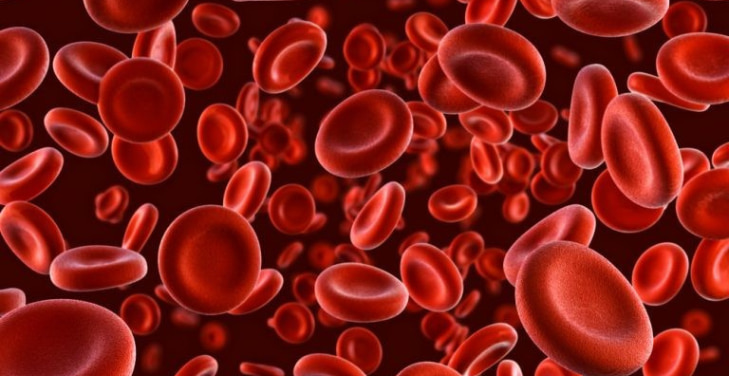
High potassium levels may trigger muscle weakness, irregular heartbeat, and sudden cardiac complications.
What Are High Potassium Levels?
High potassium levels in the blood, also known as hyperkalemia, directly affect the electrical activity of the heart, muscles, and nervous system. This condition occurs when the body accumulates excess potassium in the blood, disrupting cell signaling. A sharp increase in potassium levels often triggers rapid physiological changes.
Normal Potassium Range
The body maintains potassium within a narrow range to ensure a stable heart rhythm and proper muscle function. Blood containing excessive potassium levels puts pressure on the circulatory system, especially in people with kidney disease or metabolic disorders.
Why Potassium Matters
Potassium is involved in regulating muscle contraction, nerve transmission, and fluid balance. The heart needs potassium to maintain a steady beat every second. Muscles also depend on this mineral for strong and flexible movement.
How Hyperkalemia Develops
The kidneys excrete excess potassium in the urine. Impaired excretion of potassium leads to its gradual accumulation in the blood. Certain medications, high-potassium diets, and endocrine disorders can also accelerate this process.
Common Causes of High Potassium Levels
High blood potassium levels often stem from multiple simultaneous mechanisms within the body. Impaired potassium excretion, excessive potassium release by cells, or a sharp increase in potassium intake all contribute to hyperkalemia. Some cases develop silently and then rapidly escalate in a short period.
Kidney Function Decline
The kidneys regulate potassium through blood filtration and urine excretion. Impaired kidney function leads to continuous potassium accumulation in the bloodstream. Chronic kidney disease, acute kidney injury, and prolonged dehydration often cause significantly elevated potassium levels.
Medication Triggers
Many medications directly affect the body's ability to excrete potassium. Blood pressure medications, potassium-sparing diuretics, and cardiovascular medications often cause potassium levels to rise faster than expected. Simultaneous use of multiple medications also significantly increases the risk of electrolyte imbalance.
Excess Potassium Intake
Diets high in bananas, avocados, potatoes, coconut water, or potassium supplements can significantly strain the body's electrolyte balance. The body continuously absorbs high levels of potassium, keeping the blood in a prolonged state of excess.
Early Warning Signs and Symptoms
Early signs of hyperkalemia often appear gradually, then intensify rapidly as potassium levels continue to rise. The body reacts strongly through the nervous, muscular, and cardiovascular systems. Many people notice significant changes in their mobility, heart rate, and daily energy levels.
Muscle Weakness and Fatigue
Muscles lose flexibility when potassium disrupts the signals that trigger muscle contraction. Patients often feel heaviness in their limbs, reduced endurance, and difficulty maintaining prolonged physical activity. Constant fatigue occurs, especially in the morning or after light exercise.
Tingling and Nerve Sensations
The nervous system reacts strongly to fluctuations in blood electrolytes. Many people experience tingling sensations in their hands, feet, or around their lips. Some cases report numbness radiating down the arms and legs.
Digestive and Heart Changes
Hyperkalemia also affects digestive and cardiovascular function. Patients may experience nausea, dull abdominal pain, or an abnormally fast heartbeat. Sudden episodes of palpitations often signal electrical disturbances within the heart.
How High Potassium Affects the Heart
The heart operates based on extremely precise electrical signals. Potassium plays a central role in the pacing and conduction of electrical impulses through each myocardial cell. When potassium levels become excessively high, the heart's electrical system begins to fluctuate violently, triggering many dangerous reactions that occur very quickly.
Electrical Signal Disruption
Potassium directly affects the speed of signal transmission in the heart. High potassium levels cause myocardial cells to constantly change their electrical potential, leading to an unstable heartbeat. Patients often clearly feel a fluttering or jerking sensation in their heart or an abnormally fast heartbeat.
Irregular Heart Rhythms
Arrhythmias occur when the heart chambers contract out of sync. This condition reduces the efficiency of pumping blood to the brain and vital organs. Some people experience dizziness, shortness of breath, and sudden lightheadedness in their daily activities.
Risk of Cardiac Emergencies
Severe hyperkalemia can trigger dangerous arrhythmias in a short period of time. The heart loses its ability to maintain an effective rhythm, blood flow drops sharply, and systemic circulation quickly becomes unstable.
Who Faces the Highest Risk?
Hyperkalemia is more common in individuals with metabolic disorders, chronic diseases, or those using long-term medications. Some individuals accumulate potassium more rapidly due to reduced control of electrolyte balance. This risk increases with age, kidney function, and cardiovascular status.
People With Kidney Disease
The kidneys play a crucial role in eliminating potassium from the body daily. People with chronic kidney disease often develop hyperkalemia as the glomerular filtration rate decreases. Prolonged elevation of potassium levels can place significant strain on the heart and neuromuscular system.
Patients With Diabetes
Diabetes significantly affects insulin regulation and electrolyte metabolism. Constantly fluctuating blood glucose levels cause potassium to shift abnormally between the blood and cells. Patients are also more prone to kidney damage, thus increasing the risk of hyperkalemia.
Older Adults and Medication Users
Older adults often use multiple cardiovascular and blood pressure medications for extended periods. Some medications reduce the body's ability to excrete potassium, leading to gradual increases in potassium levels over time. Aging also slows down the process of electrolyte balance.
Foods That May Raise Potassium Levels
Potassium-rich foods offer many benefits for muscles and the cardiovascular system; however, excessive potassium intake can strain the electrolyte balance mechanism. People with impaired kidney function tend to accumulate potassium more quickly after meals. Controlling the sources of potassium-rich foods is crucial for maintaining good health.
High-Potassium Fruits and Vegetables
Bananas, avocados, potatoes, tomatoes, and spinach contain very high levels of potassium. These foods significantly increase blood potassium levels when consumed regularly in large portions. Concentrated vegetable juices also allow the body to absorb potassium more quickly.
Drinks and Processed Products
Coconut water, sports drinks, and fruit smoothies provide a significant amount of potassium in a small serving. Some processed foods also have added potassium to enhance flavor and extend shelf life.
Salt Substitutes
Many salt substitutes use potassium chloride instead of sodium chloride. This ingredient causes a rapid increase in potassium intake, especially in people controlling their blood pressure with a sodium-restricted diet.
How Doctors Diagnose Hyperkalemia
Diagnosing hyperkalemia requires a rapid assessment of electrolyte levels and cardiovascular impact. Doctors often combine blood tests, heart rate monitoring, and kidney function evaluation to determine the severity. Some cases present with noticeable symptoms early, making early detection particularly important.
Blood Potassium Testing
Blood tests provide accurate potassium levels in the circulatory system. This helps doctors determine the degree of hyperkalemia and monitor the rate of potassium increase over time. Blood creatinine and urea levels also reflect kidney function.
Electrocardiogram Evaluation
An electrocardiogram (ECG) records the electrical activity of the heart in real time. Elevated potassium levels often produce noticeable changes in heart rate and electrical conduction, particularly in the heart's electrical waves. Several ECG findings help doctors identify arrhythmia risk very early.
Kidney Function Assessment
Assessing kidney function helps determine the cause of potassium buildup in the blood. Doctors typically check the glomerular filtration rate, urine output, and fluid retention to develop an appropriate treatment plan.
Treatment Options for High Potassium Levels
Treatment for hyperkalemia focuses on rapidly reducing potassium levels and stabilizing cardiovascular function. Doctors typically choose a treatment method based on blood potassium levels, clinical symptoms, and kidney function. Some cases require emergency intervention to prevent the progression of arrhythmias.
Emergency Medical Therapies
Emergency measures help protect the heart and reduce short-term blood potassium levels. Doctors may use calcium, an insulin-glucose combination, or medications to help move potassium into cells. Treatment is usually combined with continuous electrocardiogram monitoring.
Dietary Potassium Control
Diet plays a crucial role in long-term potassium control. Patients often reduce their intake of potassium-rich foods such as bananas, potatoes, coconut water, and dried fruits. Adjusting the diet helps reduce the strain on the kidneys and maintain a more stable electrolyte balance.
Long-Term Medical Management
Long-term treatment focuses on controlling the underlying cause, such as kidney disease, diabetes, or endocrine disorders. Doctors also monitor the medications used to reduce the risk of potassium buildup.
Prevention Tips for Maintaining Healthy Potassium Levels
Maintaining stable potassium levels helps the heart, muscles, and nervous system function effectively every day. Potassium management requires a combination of nutrition, health monitoring, and appropriate lifestyle adjustments. Small changes in daily life often have a significant impact on long-term electrolyte balance.
Monitor Daily Potassium Intake
Controlling potassium intake in your diet reduces the strain on your kidneys and circulatory system. Those at high risk often focus on potassium-rich foods such as bananas, potatoes, avocados, and coconut water. Reading the nutritional information on packaged foods also helps in more effective potassium management.
Stay Properly Hydrated
The body needs sufficient water to support blood filtration and the removal of excess electrolytes. Drinking water regularly helps the kidneys maintain a stable filtration rate and promotes mineral balance within the body.
Schedule Routine Health Checks
Regular blood tests help detect early changes in potassium levels before symptoms become apparent. People with kidney disease, diabetes, or high blood pressure often need regular electrolyte monitoring to maintain long-term stability.
Conclusion
High potassium levels directly affect the cardiovascular and nervous systems, as well as overall mobility. Elevated potassium levels often develop silently and then rapidly worsen when kidney function declines or the diet becomes unbalanced.
Monitoring symptoms, regular electrolyte checks, and controlling potassium-rich foods help maintain long-term stability. A proactive healthcare plan offers clear benefits for the heart, muscles, and the entire circulatory system.
Frequently Asked Questions (FAQs)
- Can high potassium levels affect the heart quickly? – A rapid rise in potassium can disrupt the heart’s electrical system, causing palpitations, irregular heartbeat, dizziness, and chest tightness within a short period.
- Which foods contain the most potassium? – Bananas, potatoes, avocados, tomatoes, spinach, coconut water, dried fruits, and electrolyte drinks are among the foods highest in potassium.
- Can dehydration increase potassium levels? – Dehydration reduces kidney blood flow and limits potassium excretion, increasing the likelihood of elevated potassium levels in the bloodstream.
- Who should monitor potassium levels regularly? – Individuals with kidney disease, diabetes, hypertension, cardiovascular disorders, or those taking potassium-sparing medications may require regular potassium monitoring.
- How do doctors lower potassium levels quickly? – Doctors may use insulin with glucose, potassium-lowering medications, ECG monitoring, and in severe cases, hemodialysis to rapidly reduce potassium levels.
