
Prolonged work stress, prolonged sitting, and a sedentary lifestyle are significantly impacting modern physical health. Many people frequently experience back muscle stiffness, reduced endurance, and postural imbalances in their daily lives.
Pilates emerges as an exercise method to help the body regain stability and flexibility. Controlled movements combined with deep breathing support increased core muscle strength, improved posture, and a noticeable sense of relaxation after regular practice.
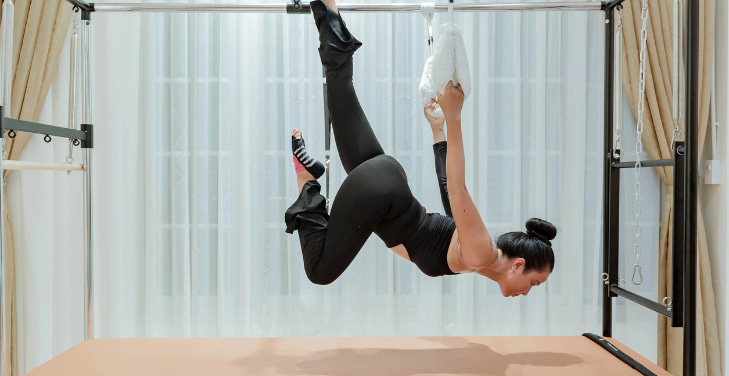
Pilates improves flexibility and core strength through controlled low-impact body movements daily.
What Is Pilates?
Pilates provides a very clear sense of body control from the very first sessions. Each movement is slow, precise, and closely linked to the breath, creating a stable, flexible, and resilient musculoskeletal system. Many people choose Pilates to improve their physique, increase core strength, and maintain daily mobility.
Core-Focused Movement
Pilates strongly focuses on the core muscles, including the abdomen, hips, lower back, and spine. Continuous muscle contractions help the body maintain better balance and support better posture, sitting, and flexible movement in daily activities.
Controlled Breathing Technique
Breathing plays a central role in Pilates. Deep breathing combined with rhythmic movement helps muscles work more effectively, increases concentration, and creates a noticeable feeling of relaxation after each session.
Flexibility and Body Alignment
Pilates improves joint flexibility and muscle elasticity through controlled stretching movements. With regular practice, the body gradually maintains a more balanced, toned, and stable state.
How Pilates Affects the Body
After a period of regular practice, the body begins to function more smoothly. Muscle groups coordinate harmoniously, breathing becomes deeper, and movement control becomes more pronounced in daily activities. Pilates simultaneously impacts the strength, posture, and flexibility of the entire musculoskeletal system.
Core Muscle Activation
Pilates continuously activates the core muscles, including the abdomen, lower back, and hips. Slow, controlled movements strengthen core muscles, increase spinal stability, and improve balance during movement.
Posture and Spinal Support
Many Pilates exercises directly impact body posture. The spine maintains better balance, the shoulders are more open, and the hips are more flexible. This helps the body maintain a stable posture and a feeling of lightness during movement.
Breathing and Circulation
Deep breathing in Pilates promotes blood circulation and increases oxygen supply to the muscles. This helps the body maintain stable energy levels, reduces muscle stiffness, and improves focus during exercise.
Pros of Pilates
Many people notice significant changes in their bodies after a few weeks of regular Pilates practice. The controlled movements help muscles work more efficiently and create a sense of flexibility, stability, and lightness in daily life. Pilates has a profound impact on both physical and mental well-being, which is why it is becoming increasingly popular in modern healthcare programs.
Improved Core Strength
Pilates strengthens the core muscles through a series of continuous tightening movements. The abdominal, lower back, and hip muscles work more synchronously, helping the body maintain better balance and supporting the spine in various postures.
Better Flexibility and Mobility
Pilates stretching exercises improve muscle and joint flexibility. The body gradually expands its range of motion, creating a feeling of softness and fluidity when walking, bending, or changing positions.
Enhanced Posture and Body Alignment
Pilates improves posture control by maintaining spinal and shoulder stability. Many people notice a straighter posture, a more confident gait, and greater flexibility in their neck and shoulders after practicing.
Stress Relief and Mental Focus
Deep breathing combined with slow movements relaxes the nervous system and increases concentration. The mind remains alert, while the body releases tension accumulated after long hours of work.
Cons of Pilates
Despite its outstanding health and fitness benefits, Pilates still has some limitations related to exercise intensity, training costs, and the rate of physical change. The experience depends heavily on technique, training frequency, and individual goals.
Limited Cardiovascular Intensity
Pilates focuses heavily on movement control and core strength, so many sessions produce moderate energy expenditure. Those aiming for increased cardiovascular endurance or higher calorie burning often need to incorporate higher-intensity forms of exercise to maintain overall physical performance.
Slow Visible Muscle Changes
Pilates exercises build muscle in a way that is firm and stable over the long term. This process occurs gradually through controlled, repetitive movements. Many people need to maintain a consistent training schedule for a long time to feel a noticeable change in body shape and muscle strength.
Technique Demands Consistent Precision
Pilates requires a high degree of posture control. Small but precise movements directly impact the spine, hips, and core muscles. Lack of focus or incorrect technique can easily lead to muscle tension, joint fatigue, and instability during the workout.
High Class and Equipment Costs
Advanced Pilates classes, especially Reformer Pilates, often come with relatively high costs. Specialized equipment, personal trainers, and quality studio space represent a significant investment for many who pursue long-term practice.
Pilates for Weight Management
A toned and balanced body often begins with the ability to control movement and maintain a consistent exercise routine. Pilates creates a training environment that keeps muscles constantly active, promoting energy expenditure and improving body awareness throughout the weight management process.
Muscle Engagement and Calorie Use
Pilates activates multiple muscle groups simultaneously through slow, deep, and controlled movements. This process promotes consistent energy use throughout the workout and increases the ability to maintain lean muscle mass. As muscles function more efficiently, the metabolic rate also becomes more stable in daily life.
Improved Body Awareness
Many people begin to pay more attention to their posture, breathing, and satiety after regularly practicing Pilates. This focus helps form balanced eating habits and better control food intake in daily life.
Consistency Supports Long-Term Results
Pilates lays a foundation for sustainable mobility through consistent training and proper movement. The body gradually becomes more flexible, toned, and stable over time, thereby supporting long-term and healthy weight management goals.
Pilates vs. Yoga: Key Differences
Both Pilates and yoga offer significant benefits for physical and mental health; however, each method builds the exercise experience in very different ways. Differences in movement, rhythm, and training goals create different impacts on muscles, posture, and body control.
Movement and Exercise Style
Pilates focuses on highly controlled movements to activate core muscles and improve body stability. Exercises are often performed in a continuous sequence with clear precision. Yoga, on the other hand, builds the experience through prolonged holding of postures combined with body awareness and breath control.
Breathing and Mental Focus
Yoga creates a deep sense of relaxation through slow breathing and a state of inner focus. Pilates uses breath as a tool to support muscle strength and movement control. This creates a more vigorous, focused, and technically sophisticated rhythm of movement during practice.
Physical Goals and Body Impact
Many people choose Pilates to strengthen their core muscles, improve posture, and enhance mobility. Yoga often provides a noticeable feeling of softness, flexibility, and mental balance after each regular practice.
Who May Benefit Most From Pilates?
The versatility of Pilates makes it suitable for a wide range of people. The exercises focus on body control, stability, and flexibility, effectively supporting mobility, posture, and muscle strength in daily life.
Office Workers and Sedentary Adults
Those who sit for long hours often experience neck and shoulder tension, back stiffness, and reduced hip flexibility. Pilates activates the core muscles, improves posture, and increases spinal mobility. As a result, the body feels lighter and more flexible in daily activities.
Older Adults Seeking Better Mobility
Many older adults choose Pilates to improve balance and maintain muscle strength. Controlled movements support more stable joint movement while promoting flexibility and coordination during walking.
Athlete's and Active Individuals
Pilates helps athletes improve core control and stability during high-intensity movements. The coordination of breath, strength, and flexibility also supports performance in a variety of sports.
Common Mistakes Beginners Make
The first few sessions are often exciting, but many Pilates beginners focus too much on speed or form. This directly affects their body control and the effectiveness of their workout.
Rushing Through Movements
Pilates requires slow, precise movements and continuous core muscle control. Many people perform movements too quickly, causing muscle instability and reducing the connection between breath and movement. The body, therefore, easily loses balance during exercises that require high concentration.
Poor Breathing Control
Breathing plays a central role in Pilates. Some beginners maintain short, rapid breaths, which reduces muscle endurance and concentration. Deep, even, and controlled breathing helps the body maintain more stable energy throughout the workout.
Incorrect Body Alignment
Body posture directly affects the effectiveness of each Pilates movement. When the spine, shoulders, or hips are out of a stable position, pressure is easily concentrated on the joints and muscle groups in the wrong positions. Maintaining body balance makes movements smoother and safer.
Tips for Starting Pilates Safely
The body adapts to Pilates more effectively when practitioners build a proper foundation of movement from the beginning. Small habits during the introductory phase greatly affect body control, movement quality, and stability throughout long-term practice.
Start With Beginner-Friendly Sessions
Basic Pilates sessions help the body gradually get used to breathing, posture, and core muscle activation. Simple movements allow practitioners to clearly feel the position of the muscles and maintain stable coordination in each movement.
Focus on Controlled Technique
Pilates emphasizes precision in each movement. Maintaining a slow pace and good posture control helps muscles work more efficiently, while also increasing balance and spinal stability throughout the session.
Build a Consistent Routine
A regular practice schedule helps the body develop strength and flexibility sustainably. Many people notice improvements in posture, flexibility, and mobility after consistently practicing Pilates for several weeks.
Conclusion
Pilates fosters a strong connection between muscle strength, movement control, and mental stability. The highly precise exercises help maintain balance, increase flexibility, and improve endurance in daily activities.
Regular practice also supports weight management, enhances concentration, and creates a noticeable sense of relaxation after each workout. A stable exercise foundation helps the body maintain flexibility, firmness, and energy over time.
Frequently Asked Questions (FAQs)
- Does Pilates help flatten the stomach? – Pilates activates deep core and abdominal muscles, helping improve waist definition, posture, and overall body control when practiced consistently.
- How many times a week should you do Pilates? – Many people practice Pilates two to four times weekly to build core strength, improve flexibility, and support long-term movement efficiency.
- Can beginners start Pilates at home? – Beginners can start Pilates at home with basic movements, a comfortable practice area, and guided instruction that supports breathing and posture control.
- Does Pilates improve posture? – Pilates strengthens the back, core, and hips, helping support spinal alignment, improve posture, and increase body flexibility.
- Is Pilates good for stress relief? – Controlled movement and deep breathing in Pilates promote relaxation, release muscle tension, and support mental clarity after stressful days.
