
In today's fast-paced life, many people long to rediscover balance, positive energy, and a deeper connection with themselves. A flexible body and a relaxed mind bring a sense of lightness and fulfillment in every moment.
Yoga opens a journey of holistic health care through the harmonious blend of movement, breath, and focus. This practice nurtures physical strength, enhances flexibility, and contributes to building a strong mental state every day.
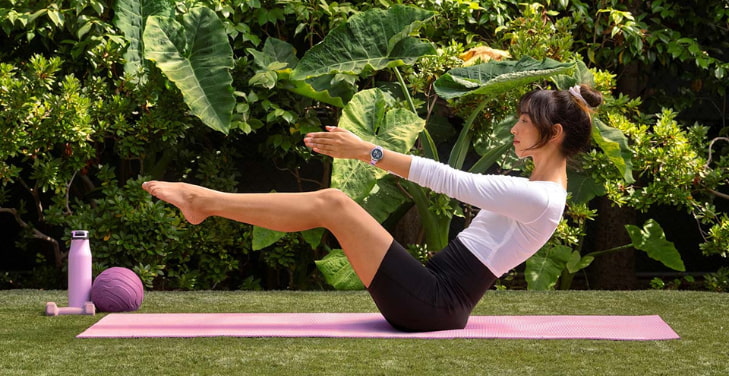
Yoga combines movement, breathing, and mindfulness to support whole-body wellness.
What Is Yoga?
Yoga is a holistic practice that combines body movement, breathing techniques, and mental focus. With thousands of years of development, yoga continues to attract millions worldwide due to its ability to improve physical health and cultivate inner balance.
Ancient Origins
Yoga originated in ancient India and is deeply rooted in long-standing philosophical traditions. Ancient texts describe yoga as a path to developing awareness, strengthening the connection between body and mind, and achieving harmony in daily life.
Core Components
Yoga focuses on three main elements: body posture, breath control, and mindfulness. Postures improve muscle strength, flexibility, and balance. Breathing techniques optimize oxygen exchange, while mindfulness helps maintain a stable and clear mental state.
Modern Practice
Today, yoga is practiced in many settings, including fitness centers, specialized studios, hospitals, and community health care programs. Many people choose yoga to improve physical fitness, manage stress, enhance sleep quality, and build a long-term healthy lifestyle.
How Yoga Affects the Body and Mind
The harmonious coordination of movement, breath, and concentration creates significant changes in both the body and mind. Through regular practice, yoga simultaneously affects the musculoskeletal and nervous systems, as well as many other important physiological functions, thereby improving quality of life.
Physical Responses
Yoga postures activate multiple muscle groups simultaneously, increasing strength, improving flexibility, and supporting proper posture. Controlled stretching promotes blood flow to muscles and connective tissue. Balance also improves significantly as the body regularly performs movements requiring stability and coordination.
Mental and Emotional Effects
Yoga promotes the activity of stress-regulating mechanisms in the brain. Deep, purposeful breathing calms the heart rate, increases feelings of relaxation, and enhances concentration. Many people experience increased mental clarity, positive energy, and emotional stability after each practice session. Over time, yoga fosters mental balance and the ability to cope with daily pressures.
Top Health Benefits of Yoga
From active young people to older adults concerned about long-term health, many choose yoga as part of their wellness routine. The benefits of this discipline extend from physical to mental well-being, positively impacting many aspects of health.
Improved Flexibility and Mobility
Intentional stretching increases joint range of motion and improves muscle elasticity. When the body moves more flexibly, daily activities are smoother and more efficient. Flexibility also helps maintain a balanced posture and a comfortable feeling during movement.
Enhanced Strength and Balance
Many yoga poses require the body to maintain a certain weight for a period of time. This process stimulates the development of core, leg, and back strength. Simultaneously, posture control and balance improve, contributing to overall physical fitness.
Stress Relief and Mental Clarity
Controlled breathing combined with focus helps the nervous system function more stably. A state of relaxation naturally develops during practice, thereby supporting improved mood, increased mental clarity, and the maintenance of positive energy in daily life.
Different Types of Yoga Explained
The diversity of yoga practices makes it suitable for a wide range of health goals. Each school has its own characteristics in terms of intensity, pace, and approach, thus creating rich practice experiences for participants.
Hatha Yoga
Hatha Yoga focuses on basic postures combined with controlled breathing techniques. The moderate pace helps practitioners develop a solid foundation in posture, balance, and body awareness. Many people choose this form to build skills before exploring more advanced styles.
Vinyasa Yoga
Vinyasa Yoga connects postures into a continuous sequence of movements synchronized with breathing. This dynamic flow stimulates cardiovascular activity, increases endurance, and enhances overall body coordination. Each session usually brings a feeling of high energy and intense focus.
Yin Yoga
Yin Yoga focuses on maintaining postures for extended periods to affect connective tissue, ligaments, and joints. This method helps improve deep flexibility, promotes mental relaxation, and fosters stillness during practice.
Restorative Yoga
Restorative Yoga uses props to help the body completely relax in each pose. This form helps restore energy, promote a sense of well-being, and support the balance of physiological responses to daily stress.
Is Yoga Good for Beginners?
Many people seek an exercise regimen that is both accessible and offers comprehensive health benefits. Yoga effectively meets this need thanks to its flexible exercise system, the ability to adjust intensity, and the focus on body awareness from the very first sessions.
Easy Entry Point
Yoga allows beginners to approach each technique at a pace suitable for their individual fitness level. Basic poses help them become familiar with controlling movement, maintaining stable posture, and coordinating breathing effectively. The learning process is gradual, creating a solid foundation for long-term progress.
Gradually Physical Development
Through regular practice, muscles develop strength, joints become more flexible, and balance improves significantly. The body gradually adapts to new challenges, thereby increasing confidence in each session.
Building Healthy Habits
Yoga encourages perseverance, discipline, and listening to your body. These positive habits support a healthy lifestyle, contributing to improved physical and mental well-being throughout the practice.
Essential Yoga Poses for Beginners
Starting with suitable poses helps beginners quickly build a foundation of technique and clearly feel the benefits of yoga. Basic movements allow the body to adapt to controlled movement while developing coordination between muscles, breath, and concentration.
Foundational Standing Poses
Mountain Pose and Warrior I are often featured in yoga programs for beginners. Mountain Pose enhances posture awareness, activates the core muscles, and creates overall stability. Warrior, I strengthen the legs, hips, and shoulders, while also improving balance. When practiced regularly, these standing poses improve mobility, confidence, and support the development of a solid physical foundation.
Gentle Stretching and Recovery Poses
Child's Pose and Downward-Facing Dog offer a combination of relaxation and stretching. Child's Pose provides a comfortable feeling for the back, hips, and shoulders, while encouraging deep, steady breathing. Downward-Facing Dog engages multiple muscle groups simultaneously, promoting flexibility in the hamstrings, calves, and spine. These poses help maintain body flexibility and lay the groundwork for more advanced exercises in the future.
How Often Should You Practice Yoga?
Frequency of practice plays a crucial role in optimizing the benefits of yoga. A suitable schedule helps the body gradually adapt to movements while allowing strength, flexibility, and concentration to develop steadily over time.
Recommended Weekly Frequency
Many experts recommend maintaining two to four yoga sessions per week to support overall health. This frequency ensures the body regularly receives the necessary physical stimulation, thereby promoting improved fitness and maintaining joint flexibility.
Session Length Matters
A session lasting from 20 to 60 minutes can yield positive results when performed regularly. Appropriate exercise durations help practitioners maintain energy, improve concentration, and develop sustainable exercise habits.
Consistency Builds Results
Regularity lies at the foundation of long-term changes. When yoga becomes part of a weekly routine, the body gradually adapts better to the poses, and breath control becomes more effective.
Adjusting to Personal Goals
Each person can choose their practice frequency based on their individual goals, such as improving health, increasing flexibility, or enhancing fitness. Building a suitable practice schedule helps maximize results and maintain motivation in the long term.
Yoga Safety Tips and Common Mistakes
An effective yoga experience begins with correct technique and maintaining body awareness. When practitioners pay attention to basic safety principles, the practice becomes more stable, supporting the sustainable development of strength, flexibility, and movement control.
Essential Safety Practices
A thorough warm-up before practice prepares muscles and joints for large-range movements. Maintaining proper spinal posture, balanced weight distribution, and controlled breathing contributes to more efficient movement. Focusing on body sensations in each pose also enhances practice quality and helps maintain stability.
Common Beginner Mistakes
Many beginners often perform poses too quickly or try to achieve a large range of motion right from the start. This habit reduces technical control and affects body coordination. Some people also focus too much on the outward form of posture rather than on balance, breathing, and inner feeling. Prioritizing correct technique helps build a solid foundation and facilitates long-term progress.
Yoga for Specific Health Goals
Each person turns to yoga with unique health goals. Some want to improve their physical fitness, some aim for mental relaxation, while many are concerned with sleep quality and long-term mobility. Thanks to its diverse techniques and styles, yoga can effectively support a wide range of needs.
Stress Management
Yoga helps regulate the body's response to daily stress through a combination of deep breathing, controlled movement, and mental focus. This process creates a sense of relaxation, promotes emotional balance, and enhances the ability to maintain calmness in various situations.
Flexibility and Mobility Improvement
Stretching postures affect muscles, tendons, and joints throughout the body. When practiced regularly, yoga helps expand the range of motion, increase flexibility, and support smooth mobility in daily life. Improved flexibility also contributes to enhanced performance in many physical activities.
Better Sleep and Recovery
Many yoga exercises encourage deep relaxation and steady breathing. This state supports the body's natural recovery process, helping it regenerate energy more effectively. With regular practice, many people experience better quality sleep, a more refreshed mind, and more stable energy levels throughout the day.
Conclusion
From strengthening muscles and improving flexibility to supporting mental balance, yoga offers many practical benefits for overall health. The harmonious combination of movement, breath, and focus creates a sustainable method of body care.
With consistent practice, many people experience positive changes in their physical fitness, mood, and quality of life. Yoga opens up opportunities to build a healthy lifestyle, cultivate positive energy, and enhance long-term health through simple yet meaningful habits.
Frequently Asked Questions (FAQs)
- Is yoga suitable for all ages? – Yoga is adaptable to different ages and fitness levels, allowing children, adults, and older adults to choose practices that support mobility, balance, and overall wellness.
- How long does it take to see results from yoga? – Many people notice relaxation and improved mental clarity after a few sessions, while gains in strength, flexibility, and balance often appear after several weeks of regular practice.
- Can yoga help with weight management? – Yoga supports weight management by encouraging physical activity, improving body awareness, and promoting healthy lifestyle habits. Dynamic styles can also increase calorie expenditure.
- What should beginners bring to a yoga class? – Beginners typically bring comfortable clothing, a yoga mat, and water. A focused mindset also helps create a positive and effective learning experience.
- Can yoga improve posture? – Yoga strengthens core muscles, improves body awareness, and supports muscular balance, helping maintain a more natural posture and greater ease of movement.
