
Numerous recent clinical studies, along with reviews from nutritionists and preventive medicine experts, indicate that pumpkin seed oil has a positive safety profile when used at the correct dosage and for the appropriate population. Simultaneously, scientific reports have also noted some side effects, drug interactions, and precautions for specific groups.
Understanding the potential risks, signs to watch for, and appropriate usage principles helps improve the effectiveness of supplementation and contributes to protecting health during long-term use of pumpkin seed oil.
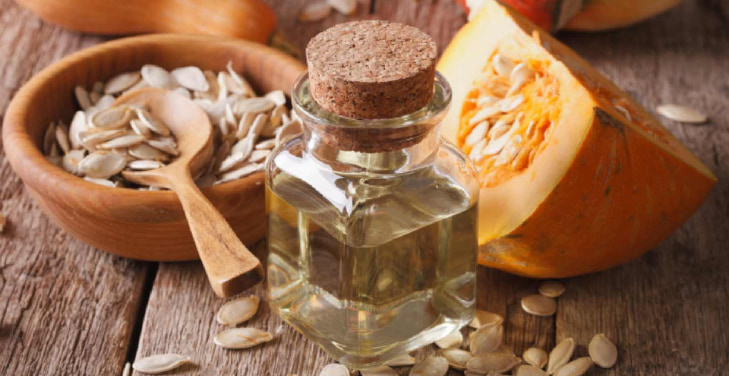
Pumpkin seed oil may cause digestive discomfort or allergic reactions in sensitive individuals.
Is Pumpkin Seed Oil Safe for Most People?
Pumpkin seed oil has a positive safety profile when users choose products that meet quality standards and use them at appropriate dosages. Numerous clinical studies have noted good tolerability in most adults during both short-term and long-term supplementation.
General Safety Profile
Pumpkin seed oil contains unsaturated fatty acids, vitamin E, and many naturally occurring bioactive compounds. This composition is suitable for many diets and supports cardiovascular health, cellular health, and antioxidant processes when used appropriately.
Evidence from Clinical Research
Clinical studies have evaluated pumpkin seed oil in various areas such as prostate health, urinary tract health, and metabolism. Results show good tolerability and low rates of side effects when participants adhere to usage guidelines.
Importance of Recommended Serving Sizes
The appropriate dosage helps the body absorb nutrients effectively and maintain energy balance in the diet. Users should follow the manufacturer's or healthcare professional's instructions to achieve optimal benefits and enhance safety during supplementation.
Common Side Effects of Pumpkin Seed Oil
Pumpkin seed oil is generally considered safe; however, some people may experience mild reactions during the initial stages of use or when supplementing with large amounts. Early recognition of common symptoms helps adjust usage accordingly.
Digestive Discomfort
Some people experience bloating, gas, or gastrointestinal discomfort after supplementing with pumpkin seed oil. The body usually adapts better when users choose the appropriate dosage and maintain a regular usage routine.
Allergic Reactions
People with allergies to pumpkin seeds or other nuts may experience itching, hives, rashes, or lip swelling after use. Assessing allergy history helps choose suitable products and improve safety.
Changes in Bowel Habits
The fat content in pumpkin seed oil may alter bowel frequency or stool consistency in some people. Adjusting the amount used according to tolerance helps the digestive system function smoothly and provides a more comfortable feeling.
Can Pumpkin Seed Oil Cause Serious Health Risks?
Pumpkin seed oil is rarely associated with serious health events when used at the correct dosage and for the correct individuals. Most adverse reactions reported in clinical practice occur infrequently; however, identifying situations requiring attention remains important.
Rare but Possible Adverse Reactions
Some cases may experience severe allergic reactions, manifesting as swelling of the lips, tongue, widespread rash, or difficulty breathing. These signs require prompt medical evaluation to ensure safety and appropriate management.
Risks Associated with Excessive Intake
Supplementing with large amounts of pumpkin seed oil increases the total energy intake and may cause bloating, diarrhea, or gastrointestinal discomfort. Adhering to the recommended dosage helps the body absorb nutrients more effectively.
When Medical Attention May Be Necessary
Persistent symptoms, pronounced allergic reactions, or unusual manifestations after use require evaluation by a healthcare professional. Early examination helps identify the cause, develop appropriate treatment plans, and protect long-term health.
Who Should Avoid or Use Pumpkin Seed Oil With Caution?
Pumpkin seed oil is suitable for many adults; however, some groups require careful evaluation before supplementation. Health characteristics, allergy history, and medication use all influence product selection and dosage.
People with Seed Allergies
Individuals with a history of allergies to pumpkin seeds or other plant seeds may experience hypersensitivity reactions after using pumpkin seed oil. Evaluating allergy history and consulting a healthcare professional will help in choosing a more appropriate supplement.
Individuals Taking Certain Medications
Pumpkin seed oil may affect the effectiveness of certain medications, particularly those related to blood pressure or blood clotting. Healthcare professionals will consider dosage and timing based on individual circumstances.
Pregnant Women, Breastfeeding Women, and People with Underlying Medical Conditions
Pregnant women, breastfeeding women, and people with chronic illnesses need to develop a supplement plan tailored to their current health status. Professional advice helps optimize nutritional benefits and enhance safety during use.
Drug and Supplement Interactions to Know
Pumpkin seed oil contains many bioactive compounds that can affect the effects of certain medications and supplements. Considering your overall treatment regimen helps develop a safe and personalized usage plan.
Blood Pressure Medications
Some studies have shown that pumpkin seed oil helps maintain blood pressure within healthy limits. Individuals taking blood pressure medication should monitor their blood pressure regularly and consult with a healthcare professional before supplementing with this product.
Blood-Thinning Medications
Vitamin E and other active ingredients in pumpkin seed oil may affect blood clotting in some people. Assessing the risk and adjusting your supplementation plan helps maintain treatment effectiveness and enhance safety.
Other Dietary Supplements
Pumpkin seed oil is often used in conjunction with omega-3s, vitamin E, or other plant-based supplements. Healthcare professionals will balance the dosage, timing of use, and total nutrient intake to create a suitable supplementation plan.
Can You Take Too Much Pumpkin Seed Oil?
Pumpkin seed oil offers many nutritional benefits; however, the amount used is crucial for ensuring effectiveness and safety. Exceeding the body's needs can increase the risk of adverse reactions.
Potential Effects of High Doses
High doses of pumpkin seed oil increase the amount of fat and energy in the diet. Some people may experience bloating, diarrhea, nausea, or gastrointestinal discomfort when using more than the appropriate amount.
Signs of Overconsumption
Prolonged digestive upset, abdominal pain, frequent loose stools, or a feeling of heaviness in the stomach after consuming pumpkin seed oil may indicate an inappropriate tolerance. These signs help guide adjustments to the amount used according to actual needs.
Safe Intake Practices
Users should adhere to the dosage indicated on the product label or the instructions of a healthcare professional. Regular supplementation in appropriate amounts helps optimize nutritional effectiveness and maintain safety over the long term.
How to Reduce the Risk of Side Effects
Using pumpkin seed oil correctly enhances its effectiveness and minimizes the risk of adverse reactions. Simple principles in product selection and usage habits contribute to long-term safety.
Start with an Appropriate Dose
Users should start with a moderate amount to allow the body to gradually adapt to the fat and bioactive compounds. Monitoring tolerance helps adjust the dosage to suit individual needs and health conditions.
Choose High-Quality Products
Products with clear origins, standardized production processes, and transparent ingredients offer greater reliability. Cold-pressed pumpkin seed oil from reputable brands typically retains more natural nutrients and maintains consistent quality.
Take with Food and Follow Storage Recommendations
Consuming pumpkin seed oil with meals helps the body better absorb fat-soluble nutrients. Store the product in a cool, dry place, away from direct sunlight, and keep the lid tightly closed after each use to maintain the oil's quality.
When Should You Stop Taking Pumpkin Seed Oil?
Pumpkin seed oil is generally well tolerated; however, monitoring your body's reaction is always important throughout its use. Certain clinical manifestations indicate that it's time to stop supplementation and seek a healthcare professional's assessment.
Symptoms That Warrant Discontinuation
Rash, itching, swelling of the lips, swelling of the tongue, difficulty breathing, severe abdominal pain, or prolonged diarrhea are signs that you should stop using it immediately. These manifestations reflect adverse reactions that require careful monitoring.
When to Consult a Healthcare Professional
Individuals undergoing treatment for chronic illnesses, taking prescription medications, or experiencing persistent symptoms should consult a healthcare professional. Professional evaluation helps determine the cause and develop a supplementation plan appropriate to their health condition.
Reporting Unexpected Adverse Effects
Recording the time of use, dosage, and symptoms experienced will help ensure a more accurate assessment. This information helps healthcare professionals make appropriate decisions and improves the safety of using dietary supplements.
Conclusion
Pumpkin seed oil offers many nutritional benefits when used correctly, in the right dosage, and in combination with quality-certified products. Understanding potential side effects, drug interactions, and groups requiring caution helps improve the effectiveness of supplementation and protect long-term health.
Monitoring your body's reactions, maintaining a consistent usage routine, and consulting a healthcare professional when necessary lays the foundation for safe, scientific, and individualized pumpkin seed oil supplementation.
Frequently Asked Questions (FAQs)
- Can pumpkin seed oil cause digestive problems? – Some people may experience bloating, nausea, loose stools, or mild digestive discomfort when taking pumpkin seed oil, particularly during the first few uses or with larger doses. Starting with a lower amount and following the recommended dosage may improve tolerance.
- Who should be careful when taking pumpkin seed oil? – People with a history of pumpkin seed allergies, those taking blood pressure medications or anticoagulants, pregnant or breastfeeding women, and individuals with chronic medical conditions should consult a healthcare professional before using pumpkin seed oil.
- Can pumpkin seed oil interact with medications? – Pumpkin seed oil may interact with certain medications, particularly blood pressure medicines and anticoagulants. Reviewing your medications and supplements with a healthcare professional can help identify potential interactions and support safe use.
- What happens if you take too much pumpkin seed oil? – Excessive intake may increase calorie consumption and contribute to bloating, abdominal discomfort, diarrhea, or other digestive symptoms. Following the recommended dosage helps optimize nutrient intake while reducing the likelihood of unwanted effects.
- When should you stop taking pumpkin seed oil? – Stop using pumpkin seed oil and seek medical advice if you develop symptoms such as a rash, itching, swelling of the lips or tongue, difficulty breathing, or other persistent unusual reactions. A healthcare professional can determine the cause and recommend appropriate management.
