
The demand for dong quai (a type of herb) is increasing as more people seek health-supporting solutions from herbal remedies. The trend of self-supplementation at home is also growing, creating widespread access to this traditional medicinal herb.
Safety remains paramount during use. Understanding side effects, potential drug interactions, groups requiring caution, and signs indicating when to discontinue use will help develop a suitable supplementation plan, contributing to health protection and improved long-term care effectiveness.
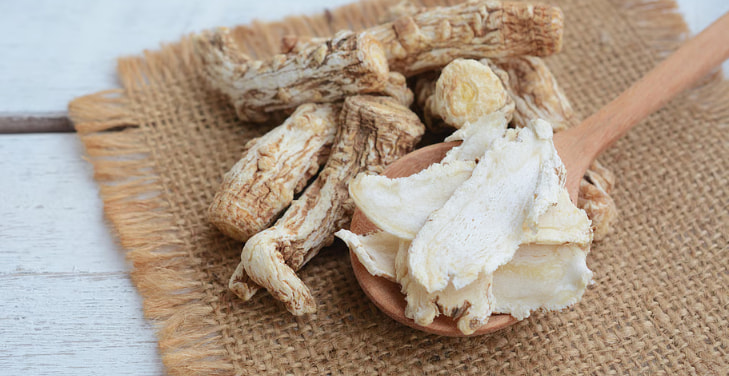
Understanding dong quai safety helps reduce risks and supports informed decisions before regular supplement use.
What Is Dong Quai and Why Are Safety Concerns Important?
Dong quai (Angelica sinensis) plays a significant role in traditional Asian medicine and is commonly found in modern supplements. The active ingredients of this herb affect many physiological processes, so understanding safety precautions is crucial for developing appropriate usage plans and enhancing health benefits.
Traditional Medicinal Uses
Dong quai is traditionally used to support women's health, blood circulation, and overall well-being. Many modern preparations inherit the herb's value through capsules, tablets, extracts, or herbal teas.
Active Compounds
Dong quai contains numerous bioactive compounds such as ferulic acid, ligustilide, and polysaccharides. These components participate in biological mechanisms related to circulation, inflammatory responses, and antioxidant activity, contributing to its characteristic pharmacological value.
Importance of Safe Use
The active ingredients in dong quai affect the body, so choosing the right dosage, target group, and time of use is crucial. Knowledge of side effects, drug interactions, and risk factors helps users make informed decisions and enhances safety when supplementing.
Is Dong Quai Safe for Most People?
Dong Quai is suitable for many healthy adults when used correctly, at the right dosage, and with a product that meets quality standards. Individual health characteristics, medical history, and medications currently being used will significantly influence the suitability of this herb.
Individual Tolerance
Each body reacts differently to the active ingredients in Dong Quai. Age, liver function, kidney function, endocrine status, and diet all contribute to tolerance. A thorough assessment of these factors helps develop a personalized usage plan and enhances safety during supplementation.
Following Recommended Doses
Recommended dosages provide a foundation for the proper use of Dong Quai. Users should follow the instructions on the product label or the plan developed by a healthcare professional. Regular use, combined with monitoring your body's response and periodic reassessment, will help maintain effectiveness and enhance safety throughout the supplementation period.
Common Side Effects of Dong Quai
While Dong Quai offers many potential health benefits, it can also cause some side effects in some individuals. The severity depends on the dosage, duration of use, health condition, and individual response, so early recognition of common signs is crucial.
Digestive Discomfort
Some people experience bloating, upper abdominal discomfort, or loose stools during the initial period of use. Taking the product with meals and maintaining the appropriate dosage usually helps the digestive system adapt better over time.
Skin Sensitivity
The compounds in Dong Quai may increase skin sensitivity to sunlight. Skin may become red or irritated after prolonged exposure to ultraviolet rays, so daily skin protection is essential.
Headache and Dizziness
Some cases have reported mild headaches or dizziness during supplementation. These symptoms are usually related to the body's physiological response to the active ingredient in the loquat and should be carefully monitored to assess appropriateness.
Individual Response
Each body reacts differently to loquat. Age, metabolic function, diet, and other supplements used all contribute to varying levels of tolerance, thus affecting the likelihood of common side effects.
Can Dong Quai Cause Serious Health Risks?
Dong quai may pose significant health risks in certain groups of people with prolonged use, high doses, or in combination with pre-existing risk factors. Identifying potential adverse events helps improve safety and supports proactive use.
Bleeding Risk
The active ingredients in dong quai may affect blood clotting. Individuals with a bleeding tendency or those taking medications that affect blood clotting should be carefully evaluated before supplementation to reduce the risk of bleeding during daily activities and medical procedures.
Allergic Reactions
Some people may experience hypersensitivity reactions to the components of dong quai. Rash, itching, swelling of the lips or face, or difficulty breathing should be considered signs requiring immediate medical attention to ensure health safety.
Rare Organ Effects
Some reports have noted effects on liver function after prolonged use of herbal preparations containing dong quai (a type of herb). Regular health monitoring, selecting products that meet quality standards, and using them according to professional guidelines can help minimize these rare adverse events.
Who Should Avoid Dong Quai?
Dong Quai is suitable for many people; however, certain groups should avoid its use to reduce the risk of health complications. An assessment of medical history, physiological condition, and treatment plan will help determine suitability before supplementing with this herb.
Pregnancy and Breastfeeding
Pregnant women and breastfeeding women should choose healthcare methods guided by their doctor. This period requires a very high level of safety for all supplements to protect the health of both mother and child.
Bleeding and Hormone-Sensitive Conditions
Individuals with blood clotting disorders, a history of bleeding, or hormone-sensitive conditions should be carefully evaluated by a doctor before using Dong Quai. Considering the benefits and risks helps develop an appropriate healthcare plan.
Before Surgery
Patients undergoing surgery or invasive procedures should inform the medical team about their use of loop coagulation. Complete information helps doctors develop a safe treatment and post-operative care plan, and supports a smooth recovery process.
Drug Interactions You Should Know
Houttuynia cordata contains many active ingredients that can affect the effects of medications and some supplements. Reviewing all medications you are currently taking before adding houttuynia cordata helps reduce the risk of interactions and supports the development of a safer healthcare plan.
Blood-Thinning Medications
Houttuynia cordata may increase the effects of anticoagulants and antiplatelet drugs. This combination increases the likelihood of bruising or bleeding, so a doctor needs to carefully assess the situation before combining them.
Hormon-Related Therapies
The plant compounds in houttuynia cordata may affect hormone regulation in some people. Individuals undergoing hormone therapy need to be closely monitored to ensure treatment effectiveness and safety.
Other Herbs and Photosensitizing Medicines
Some herbs that support circulation, along with medications that increase photosensitivity, may have synergistic effects when used in combination with dong quai. Choosing the right products, providing a full list of medications being taken, and monitoring your body's reactions will help minimize the risk of unwanted interactions.
How to Reduce the Risk of Side Effects
Using loop diuretics according to safety principles helps minimize the risk of side effects and enhance the effectiveness of supplementation. Choosing quality products, using the correct dosage, and monitoring your body's reaction lays the foundation for stable long-term use.
Choose Quality Products
Users should prioritize products with clear origins, quality control processes, and transparent ingredient disclosures. Reputable manufacturers, strict production standards, and clearly defined active ingredient content contribute to increased safety.
Follow Professional Guidance
Adhering to the appropriate dosage, monitoring changes in the body, and conducting regular reassessments with a healthcare professional optimizes the supplementation plan. Users should also provide a complete list of medications, supplements, and medical history so that the professional can assess the risk of interactions and develop a personalized usage plan.
When Should You Stop Taking Dong Quai?
Stopping dong quai at the right time helps protect your health and limit the risk of unwanted side effects. Closely monitoring changes in your body, along with assessments from healthcare professionals, will help in making appropriate decisions at each stage of use.
Severe Allergic Symptoms
Users should stop using the medication immediately if they experience swelling of the lips, tongue, widespread hives, or difficulty breathing. These symptoms reflect a hypersensitivity reaction and require prompt medical attention to ensure safety.
Unusual Bleeding
Signs such as prolonged bleeding, frequent bruising, or heavier-than-normal menstrual bleeding should be evaluated early. Temporarily stopping use allows doctors to determine the cause and choose the appropriate course of action.
Before Medical Procedures
Individuals preparing for surgery or invasive procedures should stop using dong quai as directed by their doctor. This approach helps support clotting control and enhances safety throughout the treatment process.
Persistent Adverse Effects
Persistent symptoms such as headache, dizziness, gastrointestinal disturbances, or general discomfort should be carefully considered. Clinical evaluation, dosage review, and the development of an appropriate care plan will help protect long-term health.
Conclusion
Dong quai offers value in traditional medicine and continues to attract attention in modern healthcare. Using the correct dosage, selecting standard-compliant products, and monitoring the body's response contribute to enhanced safety throughout the supplementation process.
A cautious approach, consulting with healthcare professionals, and thoroughly assessing risk factors will help develop a personalized usage plan, thereby protecting health and optimizing long-term effectiveness.
Frequently Asked Questions (FAQs)
- Can Dong Quai cause bleeding? – Dong quai may affect blood clotting in some people, particularly when taken in high doses or together with anticoagulant medications. Consulting a healthcare professional can help assess individual risk and determine whether dong quai is appropriate.
- Is Dong Quai safe for long-term use? – The suitability of long-term dong quai use depends on factors such as the intended purpose, dosage, overall health, and medical history. Regular follow-up with a healthcare professional can help evaluate ongoing safety and adjust the supplementation plan if needed.
- Should Dong Quai be stopped before surgery? – People preparing for surgery should inform their healthcare team if they are using dong quai. A healthcare professional can advise when it should be discontinued before a procedure based on the type of surgery and individual circumstances.
- Can Dong Quai interact with prescription medicines? – Dong quai may interact with certain prescription medications, including anticoagulants, antiplatelet drugs, and some hormone therapies. Sharing a complete list of your medications and supplements with a healthcare professional can help identify potential interactions.
- What signs suggest Dong Quai should be discontinued? – Symptoms such as a widespread rash, difficulty breathing, prolonged bleeding, unusual bruising, or persistent discomfort should be evaluated promptly. Stop using dong quai and seek medical advice immediately if these symptoms occur.
