
AFib, or atrial fibrillation, is a common heart rhythm disorder that can profoundly affect cardiovascular health. The chaotic heart rhythm alters blood flow in the atria and facilitates blood clot formation.
AFib is also associated with an increased risk of stroke, heart failure, and exercise-related complications. Chest pain, severe shortness of breath, fainting, or signs of stroke require emergency evaluation. Early management helps reduce the risk of serious complications.
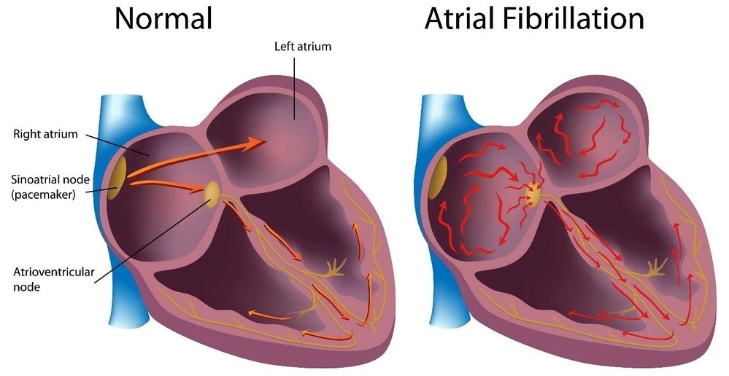
AFib can raise the risk of blood clots, stroke, heart failure, and serious complications.
What Is AFib?
Atrial fibrillation (AFib) is a common heart rhythm disorder involving abnormal electrical activity in the atria. This condition causes the heart rhythm to become erratic, affecting the heart's ability to contract and pump blood.
Irregular Heart Rhythm
AFib occurs when chaotic electrical signals arise in the atria, causing these chambers of the heart to beat rapidly and uncoordinatedly. Irregular rhythms can cause a rapid heartbeat, palpitations, dizziness, or shortness of breath. The severity of symptoms varies from person to person and over time.
Effects on Heart Function
The atria play a crucial role in filling the ventricles with blood. AFib reduces the coordination between the atria and ventricles, thereby affecting pumping efficiency. A prolonged, high heart rate can put additional strain on the heart muscle and increase the risk of cardiovascular complications.
Why Is AFib Dangerous?
AFib causes several significant changes in heart function, especially when the irregular heartbeat persists. These changes can affect pumping efficiency, circulatory flow, and cardiovascular health over time.
Reduced Cardiac Efficiency
The irregular heartbeat reduces coordination between the atria and ventricles, altering the filling of the ventricles with blood. The heart must maintain activity under erratic conditions, which can reduce circulatory efficiency. Patients may experience palpitations, fatigue, shortness of breath, or reduced exercise capacity.
Irregular Blood Flow
AFib causes turbulent blood flow in the atria and promotes stagnation, especially in the left atrium. This environment facilitates blood clot formation. Blood clots can travel through the circulation and cause blockages in vital organs, with the brain being a particularly noteworthy location.
AFib and Blood Clot Formation
AFib is closely linked to blood clot formation in the heart. Atrial fibrillation alters blood flow, creating conditions conducive to blood pooling in the heart chambers.
Blood Pooling in the Atria
In AFib, the atria pulse rapidly and uncoordinatedly, impairing the pumping of blood into the ventricles. Blood tends to linger longer, particularly in the left atrium, a small structure within it. This prolonged pooling activates clotting mechanisms and creates a favorable environment for clot formation.
Clot Formation and Embolization
Blood clots in the atria can break off and travel through the bloodstream. When a clot reaches the brain, it can block blood flow and lead to ischemic stroke. This risk makes stroke risk assessment and the selection of thrombotic prevention measures a crucial part of AFib management.
Increased Risk of Stroke
AFib significantly increases the risk of stroke through the mechanism of blood clot formation in the atria. Blood clots can travel through the circulation and block blood vessels supplying the brain, causing acute neurological damage.
AFib and Ischemic Stroke
Atrial fibrillation causes blood to pool, especially in the left atrium, thereby promoting thrombus formation. When the clot travels to a cerebral artery, the blockage reduces the amount of oxygen and glucose reaching brain tissue. Ischemic stroke can cause weakness, speech disorders, changes in vision, or loss of balance.
Stroke Warning Signs
Signs such as a drooping mouth, sudden weakness or numbness on one side of the body, difficulty speaking, confusion, vision loss, or severe dizziness should be considered medical emergencies. Patients should call emergency services immediately if these symptoms appear for urgent assessment and treatment.
Heart Failure and AFib
AFib and heart failure are closely linked in the progression of cardiovascular disease. A persistent, chaotic tachycardia increases the burden on the myocardium and affects its ability to maintain efficient circulation.
Persistent Rapid Heart Rate
AFib can cause the heart to maintain a high heart rate for extended periods. This tachycardia increases myocardial oxygen demand, shortens ventricular filling time, and reduces the volume of blood pumped into the circulation. Patients may experience fatigue, shortness of breath, reduced mobility, and leg edema.
Weakened Heart Function
Prolonged AFib can contribute to impaired ventricular contractility, especially when the ventricular rate is consistently high. This change reduces cardiac output efficiency and can promote the manifestations of heart failure. Controlling heart rate and underlying cardiovascular conditions plays a crucial role in reducing the burden on the myocardium.
Other Potential AFib Complications
AFib can affect many aspects of cardiovascular health and daily functioning. Complications often involve prolonged arrhythmias, reduced circulatory efficiency, and the presence of co-existing cardiovascular disease.
Reduced Exercise Tolerance
Radiation alters the delivery of oxygen-rich blood to muscles and tissues. Patients may tire easily when walking, climbing stairs, or engaging in physical activity. Palpitations, shortness of breath, and decreased endurance may also occur when the heart rate increases rapidly.
Kidney and Organ Complications
AFib may be associated with an increased risk of impaired kidney function, especially in individuals with concomitant hypertension, heart failure, or vascular disease. Prolonged circulatory disturbances can also affect organ perfusion. Controlling heart rate, blood pressure, and underlying conditions helps protect organ function in the long term.
What Causes AFib to Become More Dangerous?
The severity of AFib is influenced by many factors related to cardiovascular health, metabolism, and individual characteristics. These factors can increase the risk of stroke, heart failure, and circulatory complications.
Heart Disease and High Blood Pressure
High blood pressure puts prolonged pressure on the heart walls, promoting atrial structural changes and making AFib more complicated. Coronary artery disease, valvular heart disease, and heart failure also increase the burden on the cardiovascular system and affect heart rhythm control.
Age and Metabolic Risk Factors
Advanced age is accompanied by changes in the structure and function of the heart, increasing the risk of complications. Diabetes, obesity, and chronic kidney disease also contribute to an increased risk of thrombosis and cardiovascular events. Controlling these factors helps reduce the burden of AFib and protect long-term heart health.
Paroxysmal vs. Persistent AFib Risks
AFib has several modes of progression, with paroxysmal AFib and persistent AFib representing the two most common forms. The duration and frequency of these episodes help physicians assess the severity of the arrhythmia and the risk of complications.
Paroxysmal AFib
Paroxysmal AFib occurs in episodes and usually resolves spontaneously within a few days. Intermittent atrial fibrillation episodes are still associated with a risk of thrombosis and stroke. Patients should be assessed for stroke risk based on age, cardiovascular disease, hypertension, diabetes, and related factors.
Persistent AFib
Persistent AFib lasts longer than 7 days and often requires medical intervention to restore sinus rhythm. This condition maintains a prolonged cardiac workload, which can affect heart function and increase the risk of heart failure. Both forms require appropriate monitoring and management.
Warning Signs of Dangerous AFib
AFib can manifest from palpitations and rapid heartbeat to symptoms signaling an acute cardiovascular event. Some signs require urgent evaluation as they may be related to stroke, myocardial ischemia, or severe circulatory failure.
Chest Pain and Severe Shortness of Breath
Chest pain or tightness, severe shortness of breath, sweating, dizziness, and a very rapid heartbeat may signal a cardiovascular emergency. Acute chest pain requires immediate medical evaluation.
Fainting and Severe Dizziness
Fainting, severe dizziness, or loss of balance may reflect reduced cerebral blood flow in the context of an arrhythmia. These symptoms require urgent evaluation, especially if they appear suddenly.
Stroke Warning Signs
Fainting, weakness or numbness on one side of the body, difficulty speaking, confusion, changes in vision, or sudden loss of balance are warning signs of stroke. Patients should call emergency services immediately when symptoms appear.
How to Reduce AFib Complications
Reducing AFib complications requires a long-term management strategy that combines heart rate control, thrombotic prevention, and adjustment of cardiovascular risk factors.
Medical Treatment and Stroke Prevention
Doctors assess stroke risk to select appropriate anticoagulants and control heart rate or maintain sinus rhythm as needed. Adherence to medication and regular check-ups help monitor treatment effectiveness, heart function, and bleeding risk.
Lifestyle and Risk Factor Management
Maintaining a healthy weight, exercising regularly, controlling blood pressure and blood sugar, quitting smoking, limiting alcohol intake, and managing stress all help reduce the burden of AFib. Treating sleep apnea and underlying conditions also helps improve arrhythmia control.
Conclusion
AFib is a heart rhythm disorder that can lead to serious complications, particularly blood clots, stroke, and heart failure. Prolonged irregular heartbeats can also impair circulatory efficiency and exercise capacity.
Managing AFib requires a combination of medical treatment, thromboprophylaxis, and management of risk factors such as hypertension, obesity, diabetes, and heart disease. Regular monitoring helps maintain heart rhythm control and reduce the risk of long-term complications.
Frequently Asked Questions (FAQs)
- Is AFib life-threatening? – AFib can cause serious complications, including blood clots, stroke, and heart failure. Individual risk varies with age, cardiovascular disease, hypertension, diabetes, and other health factors.
- How does AFib increase the risk of stroke? – AFib can cause blood to pool in the atria, creating conditions for blood clot formation. A clot can travel to the brain and block blood flow, causing an ischemic stroke.
- Can AFib cause heart failure? – AFib can contribute to heart failure when a rapid, irregular rhythm persists. The abnormal rhythm can impair cardiac filling and pumping and may worsen existing heart failure.
- When is AFib a medical emergency? – Severe chest pain, shortness of breath, fainting, severe dizziness, or stroke symptoms such as facial drooping, limb weakness, or speech difficulties require immediate emergency medical evaluation.
- How to reduce AFib complications? – AFib treatment may include anticoagulant medications, heart rate or rhythm control, and lifestyle changes. Managing weight, blood pressure, physical activity, and underlying conditions can reduce complication risk.
