
Saponins are present in many familiar plants and have attracted scientific attention due to their diverse biological properties. These natural compounds participate in numerous physiological mechanisms and have significant effects on human health.
Behind the nutritional value of beans, quinoa, and many other foods lie questions about their safety, tolerability, and appropriate use. Understanding saponins helps individuals develop a scientific diet, optimize nutritional benefits, and improve long-term health care.
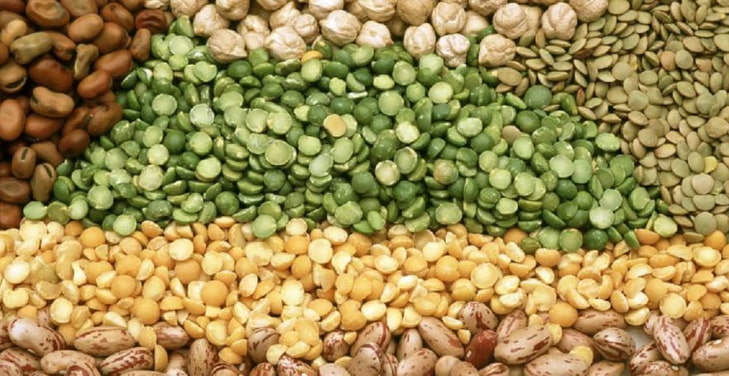
Natural saponins occur in many plant foods with varying concentrations and biological health effects.
What Are Saponins?
Saponins are a group of naturally occurring glycoside compounds widely found in the plant world. Their unique chemical structure allows them to interact with many biological components, attracting interest in nutrition, pharmacology, and food science.
Natural Plant Compounds Explained
Saponins are formed from an aglycone combined with a sugar chain, creating molecules that are both hydrophilic and lipophilic. This characteristic allows them to foam when in contact with water and participate in many biological activities. Many types of saponins possess distinct structures and properties.
Common Dietary Sources
Humans absorb saponins from many common foods such as soybeans, chickpeas, lentils, kidney beans, quinoa, and oats. Some vegetables and medicinal herbs such as ginseng and alfalfa also contain significant amounts of naturally occurring saponins.
Why Plants Produce Saponins
Plants synthesize saponins to increase their adaptability to the environment. These compounds help protect plants from insects, fungi, and many other biological agents, while also contributing to the growth and vitality of many plant species.
How Saponins Affect the Human Body
After entering the body, saponins interact with many biological systems through their characteristic chemical properties. The degree of influence depends on the type of saponin, the amount consumed, how the food is processed, and each individual's physiological characteristics.
Interaction with the Digestive System
Saponins come into direct contact with the gastrointestinal mucosa and participate in transformation processes in the intestinal lumen. The gut microbiota further metabolizes some of the saponins into various bioactive compounds. This process contributes to the diverse physiological responses after consuming saponin-rich foods.
Effects on Nutrient Absorption
Saponins affect the ability of the body to bind to cholesterol, bile acids, and certain minerals in the intestinal lumen. This interaction creates certain changes in nutrient absorption. The intensity of the impact depends on the amount of saponins, the composition of the meal, and the health status of each individual.
Potential Dangers of Saponins
Saponins offer many biological activities, but they also pose some risks when the body is exposed to large amounts or concentrated preparations. The degree of impact depends on the dosage, the source of the saponins, and individual tolerance.
Gastrointestinal Discomfort
High amounts of saponins can irritate the gastrointestinal mucosa, increasing bowel activity and causing bloating, abdominal distension, or mild cramping. Some people also experience diarrhea and discomfort after consuming foods or supplements containing high levels of saponins.
Irritation at Excessive Intake
Consuming large amounts of saponins in a short period of time increases gastrointestinal irritation. Saponin molecules interact with cell membranes and produce stronger biological reactions, especially when using high-concentration extracts.
Concerns Associated with Concentrated Exposure
Herbal preparations or dietary supplements rich in saponins provide significantly higher concentrations than regular foods. These high concentrations increase the likelihood of adverse effects and require careful dosage control during use.
Possible Side Effects
The body's reaction to saponins varies depending on individual constitution, dosage, and food source. Most side effects are mild and short-lived; however, some sensitive individuals require careful monitoring to assess the extent of the impact.
Digestive Symptoms
The digestive tract is the first organ to react when saponin levels are high. Users may experience bloating, increased gas, abdominal pain, diarrhea, or a feeling of hunger after meals. Symptoms usually appear quickly and subside as the amount of saponins consumed becomes more manageable.
Allergic or Sensitivity Reactions
Some sensitive individuals may experience itching, rashes, a burning sensation in the mouth, or skin irritation after exposure to saponin-rich foods. The intensity of the reaction depends on the individual's immune response and sensitivity level.
Who Should Be Most Cautious?
Saponins in food are generally suitable for most healthy individuals when consumed in moderation. However, certain population groups are more sensitive and require careful attention to intake to maintain digestive stability and overall health.
People with Digestive Disorders
Individuals with irritable bowel syndrome, inflammatory bowel disease, or sensitive digestive systems often react more strongly to foods rich in saponins. High levels can increase bloating, cramping, or digestive upset. Choosing appropriate portions helps the body adapt better.
Individuals Using Herbal Supplements
Individuals using herbal preparations containing saponins receive significantly higher levels of the active ingredient compared to regular food. Controlling dosage, duration of use, and product origin helps minimize the risk of adverse effects during supplementation.
Children and Older Adults
Children and older adults often have different physiological responses compared to adults. Establishing a balanced diet, prioritizing properly prepared foods, and adjusting consumption according to individual needs helps the body absorb saponins more safely and effectively.
Foods Highest in Saponins
Saponins occur naturally in many plant-based foods. The content varies depending on the species, growing conditions, and processing methods. Understanding the sources helps build a balanced diet tailored to individual needs.
Legumes and Beans
Legumes are among the highest in saponins, especially soybeans, chickpeas, lentils, kidney beans, and peas. This food group also provides plant-based protein, fiber, and many vitamins and minerals, contributing to high nutritional value in the daily diet.
Whole Grains and Pseudocereals
Quinoa contains saponins concentrated on the surface of the grain, so many products undergo washing or scrubbing before consumption. Oats also contain saponins, enriching the bioactive components of whole grains.
Can Cooking Reduce Saponin Risks?
Proper cooking methods help regulate the saponin content in many foods, while also improving flavor and digestibility. Many traditional techniques are effective in reducing the amount of saponins adhering to surfaces or dissolving in water.
Rinsing and Soaking
Thorough rinsing and soaking before cooking helps remove some soluble saponins, especially in quinoa and beans. This process also softens the ingredients, shortening cooking time and improving the quality of the dish.
Boiling and Heat Processing
Boiling in sufficient water allows some saponins to diffuse into the water. High temperatures also soften food structures, helping the body digest and absorb nutrients more effectively.
Choosing Proper Preparation Methods
Combining rinsing, soaking, and thorough cooking is optimal in reducing saponin levels. Appropriate processing methods help balance the nutritional value, flavor, and safety of foods rich in saponins.
Safe Consumption Guidelines
Safe use of saponins depends on the food source, consumption amount, and preparation method. A varied diet with balanced portions helps the body absorb saponins in a balanced way while maintaining the nutritional value of the food.
Follow Moderate Portions
Maintaining appropriate portion sizes at each meal helps the body adapt to the natural amount of saponins. Alternating saponin-rich foods with other food groups creates a balanced diet and supports long-term health.
Prioritize Proper Food Preparation
Washing, soaking, and cooking thoroughly before use helps reduce the amount of saponins in many legumes and grains. Proper processing also improves flavor, increases digestibility, and enhances the absorption of essential nutrients.
Conclusion
Saponins offer numerous biological benefits when included in a varied and balanced diet. Choosing quality food sources, applying appropriate processing methods, and maintaining reasonable portion sizes optimize nutritional benefits while enhancing safety.
Each benefits from a cautious approach, proactively monitoring their body's response and adjusting consumption according to actual needs. This habit helps build a sustainable nutritional foundation and supports long-term health.
Frequently Asked Questions (FAQs)
- Are saponins harmful to everyone? – Saponins are generally considered safe when consumed as part of a balanced diet in appropriate amounts. Individual responses vary depending on health status, digestive sensitivity, and food preparation methods.
- Which foods contain the most saponins? – Foods naturally high in saponins include soybeans, chickpeas, lentils, kidney beans, quinoa, and certain whole grains. The saponin content varies according to plant variety, growing conditions, harvest timing, and processing methods.
- Does cooking reduce saponins? – Yes. Washing, soaking, and thoroughly cooking foods such as quinoa and legumes can reduce their saponin content. These preparation methods may also improve flavor, digestibility, and the availability of other nutrients.
- Should you supplement with saponins from dietary supplements? – Dietary supplements may provide higher concentrations of saponins than whole foods. Choosing products from reputable manufacturers and following guidance from a healthcare professional can help support safe and appropriate use.
- Can saponins be used daily? – Yes. Saponins can be part of a healthy daily diet when obtained from a variety of properly prepared plant foods and consumed in balanced amounts as part of an overall nutritious eating pattern.
