
Agrimony has many uses in traditional medicine because of its high content of tannins, flavonoids, and other bioactive plant compounds. However, do you fully understand the potential health risks associated with using this herb?
From digestive and allergic reactions to potential drug interactions, each factor shapes its safety profile. Understanding agrimony's side effects will help you make informed, science-based decisions about using this herb.
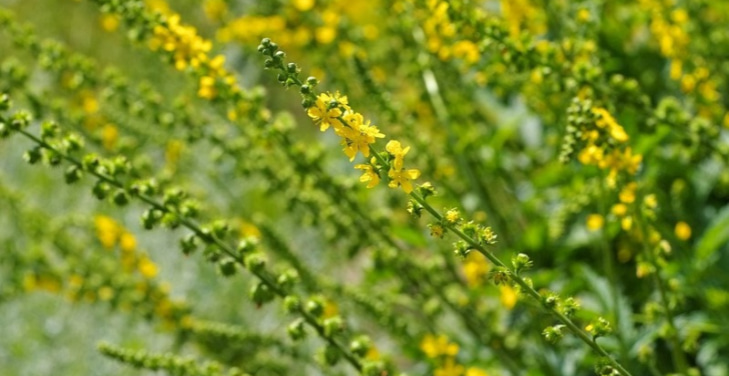
Agrimony is a traditional medicinal herb with potential side effects, safety concerns, and medication interactions.
What Is Agrimony?
Agrimony is the common name for plants belonging to the genus Agrimonia, family Rosaceae. Traditional medicine uses this herb for its tannins, flavonoids, and other bioactive plant compounds. People often use the leaves, stems, and flowers of agrimony to make tea, extracts, or other herbal preparations. Understanding the plant's characteristics, chemical composition, and uses helps readers assess potential health risks.
Botanical Background
Agrimonia eupatoria is a common agrimony species native to Europe and some parts of Asia. It grows along roadsides, in meadows, and in sunny areas. Its yellow flowers and compound leaves are its distinctive identifying features.
Traditional Medicinal Uses
Traditional medicine uses agrimony in preparations to aid digestion, care for the skin, and soothe the throat. The plant's tannins give it astringent properties, which may help explain these traditional uses.
Common Forms of Agrimony
Agrimony is commonly available as herbal teas, capsules, extracts, and tinctures. The concentration of the active ingredient varies by plant part, extraction method, and manufacturing process, which directly affects exposure when used.
Potential Side Effects of Agrimony
Agrimony contains tannins, flavonoids, and many bioactive plant compounds. When used as a tea, capsule, or extract, users should watch for gastrointestinal reactions, potential allergies, and dose-related effects. Clinical evidence on agrimony's safety is currently limited, so monitoring for allergic reactions is crucial.
Digestive Discomfort
Agrimony's tannin content may cause gastrointestinal discomfort in some people, especially with concentrated preparations. Symptoms to watch for include nausea, abdominal pain, and constipation.
Allergic Reactions
Individuals sensitive to plant components may experience itching, rash, or lip swelling after using agrimony. Difficulty breathing and tongue swelling require emergency treatment.
Risks of Excessive Intake
Large or prolonged use increases uncertainty regarding safety. Users should follow product instructions and consult with a healthcare professional before regular use.
Can Agrimony Cause Liver or Kidney Problems?
Agrimony contains tannins, flavonoids, and other bioactive plant compounds, which have drawn interest in herbal research. However, clinical data on agrimony's effects on the liver and kidneys are limited. Safety may depend on the dose, extract concentration, duration of use, and individual health status.
Liver Safety Concerns
The liver metabolizes many compounds from food and herbs, so agrimony preparation components may affect how it processes these substances. Users should monitor for unusual fatigue, jaundice, dark urine, or pain in the upper right abdomen. These signs require prompt medical evaluation.
Kidney Function and Herbal Use
The kidneys filter blood and eliminate many metabolic products. People with kidney disease should consult their doctor before using agrimony, especially when using multiple medications or supplements at the same time.
Long-Term Use and Safety Monitoring
Long-term agrimony use increases the need for safety monitoring. Users should choose products from reputable sources, follow instructions, and consult a healthcare professional if they experience any unusual symptoms.
Agrimony and Blood Sugar Levels
Agrimony contains tannins, flavonoids, and other plant compounds that research has linked to biological activity. The link between agrimony and blood sugar regulation still requires further clinical evidence in humans. People with diabetes should exercise caution when considering the use of this herb, especially in daily blood glucose management.
Potential Effects on Blood Glucose
Some plant compounds may affect glucose metabolism in research models. However, current data have not clearly established agrimony's effectiveness in controlling blood glucose in humans.
Risks for People With Diabetes
People with diabetes should monitor their blood glucose levels when adding herbs to their healthcare regimen. Self-medicating may destabilize blood glucose levels.
Interactions with Diabetes Medications
Agrimony may have interactions with blood glucose-lowering medications that have not been fully studied. People using insulin or other diabetes medications should discuss their use with their doctor and maintain a consistent glucose monitoring schedule.
Agrimony and Blood Clotting Risks
Agrimony contains tannins and other bioactive plant compounds, but its direct effect on blood clotting still requires further clinical research. Individuals using anticoagulants, antiplatelet drugs, or with a history of blood clotting disorders should carefully assess the safety before adding agrimony to their healthcare regimen.
Potential Effects on Blood Clotting
Current data have not clearly established how agrimony affects platelet function or blood clot formation in humans. Users should exercise caution with preparations containing high concentrations of the active ingredient.
Interactions With Blood-Thinning Medications
Individuals using warfarin, apixaban, aspirin, or clopidogrel should consult their doctor before using agrimony. Doctors should evaluate the combination of this herb with these medications based on individual health conditions and bleeding risks.
Precautions Before Surgery
Individuals preparing for surgery or dental procedures should inform healthcare professionals about any agrimony products they are currently using. The treating professional will provide appropriate guidance based on their medication history and bleeding risk.
Agrimony Drug Interactions
Agrimony contains tannins, flavonoids, and other plant compounds that may affect the body's tolerance when used with other medications. Clinical data on interactions between agrimony and medications is currently limited. Users should consider dosage, timing, and health conditions before combining these products.
Interactions With Prescription Medications
Agrimony's tannins may bind to certain substances in the gastrointestinal tract, potentially affecting drug absorption. Those taking prescription medications should consult their pharmacist regarding timing and potential interactions.
Diabetes and Blood-Thinning Medications
Users of insulin, blood-thinning medications, warfarin, or apixaban should discuss agrimony use with their doctor before supplementing. Current evidence does not clearly define the specific interactions between agrimony and these drug classes.
How to Reduce Interaction Risks
Users should provide their healthcare professional with a list of medications, vitamins, and supplements. Monitoring symptoms, following usage instructions, and getting regular checkups help improve safety.
Who Should Avoid Agrimony?
Agrimony is a traditional herb containing tannins and bioactive plant compounds. Agrimony's safety depends on age, health status, dosage, and medications. Certain groups should be especially cautious because safety data on the herb are limited.
Pregnant and Breastfeeding Women
Pregnant and breastfeeding women should consult their doctor before using agrimony. Evidence regarding the effects of the plant's compounds on fetuses and infants is currently limited.
People With Chronic Health Conditions
People with liver disease, kidney disease, diabetes, or blood clotting disorders should have their individual risk assessed before using agrimony. Monitoring their health helps detect potential adverse reactions early.
People Taking Medications
People taking anticoagulants, hypoglycemic drugs, or multiple prescription medications should discuss this with their doctor or pharmacist. Healthcare professionals can review potential interactions and provide appropriate guidance on usage.
How to Use Agrimony More Safely
Using agrimony safely requires attention to dosage, product quality, and individual health conditions. This herb contains tannins and many plant compounds, while clinical data on optimal dosage and long-term safety are limited. Users should approach agrimony cautiously, especially when undergoing medical treatment or taking multiple medications.
Follow Product Instructions
Follow the instructions on the product label and choose tea, capsules, or extracts with clearly stated ingredient information. Increasing the dose on your own may increase the risk of adverse reactions.
Choose Reputable Products
Prioritize plant-based products with transparent manufacturer information and quality control processes. Check the ingredients to reduce the risk of impurities or misidentification of medicinal herbs.
Monitor Your Body’s Response
Monitor your digestive status, allergic reactions, and any health changes after use. People who are taking medication or have chronic illnesses should consult a healthcare professional before regularly supplementing with agrimony.
When to Seek Medical Advice After Taking Agrimony
Monitoring your health after taking agrimony helps detect adverse reactions early and manage them promptly. Pay attention to changes in digestion, skin, respiration, and signs related to liver function. Symptom severity determines when to seek medical help.
Signs of Allergic Reactions
A rash, itching, hives, or swollen lips may indicate an allergic reaction. Difficulty breathing, tongue swelling, or a choking sensation in the throat require immediate medical attention.
Persistent Digestive Symptoms
Persistent abdominal pain, excessive vomiting, or severe diarrhea require evaluation by a doctor. Users should discontinue use of the product while awaiting medical instructions.
Signs of Serious Complications
Jaundice, dark urine, unusual bleeding, or black stools require urgent medical evaluation. If these symptoms appear, users should bring the agrimony product and a list of medications they are currently taking to help with diagnosis.
Conclusion
Agrimony offers a range of traditional herbal applications, while its potential side effects and long-term safety require further scientific investigation. Digestive discomfort, allergic reactions, possible medication interactions, and uncertainties surrounding liver and kidney safety deserve careful attention.
Users should choose products from reputable sources, follow usage instructions, and consult a healthcare professional if they have underlying medical conditions or are taking medication. Prioritizing scientific evidence and monitoring bodily reactions helps keep you safe when considering agrimony.
Frequently Asked Questions (FAQs)
- What Are the Common Side Effects of Agrimony? – Agrimony may cause digestive discomfort, nausea, abdominal pain, or constipation in some people. Allergic reactions, such as itching and skin rash, may also occur. Potential effects depend on the dose, preparation, and individual sensitivity.
- Can Agrimony Damage the Liver or Kidneys? – Clinical evidence has not clearly established agrimony's effects on the liver and kidneys. People with liver or kidney disease should consult a healthcare professional before using agrimony, especially if they take multiple medications.
- Does Agrimony Affect Blood Sugar Levels? – The effects of agrimony on blood sugar levels in humans remain unclear. People with diabetes should monitor their blood glucose and consult a healthcare professional before combining agrimony with diabetes medication.
- Can Agrimony Interact With Medications? – Agrimony may interact with medications, but these interactions have not been adequately studied. People who regularly use anticoagulants, blood sugar-lowering medications, or other prescription drugs should consult a doctor or pharmacist before taking agrimony supplements.
- Who Should Avoid Taking Agrimony? – Pregnant women, breastfeeding mothers, children, and people with chronic illnesses should exercise particular caution when considering agrimony. These groups should consult a healthcare professional to assess potential risks based on their individual circumstances.
