
Schisandra is gaining attention due to its lignan content and long history of use in traditional East Asian medicine. The fruit is found in many forms of dietary supplements, from whole fruit powder and capsules to concentrated extracts.
Daily dosage should be based on the form of preparation, extract concentration, and active ingredient content. Health status, tolerance, and medications being used also directly influence dosage choices.
A systematic approach can help build a safer and more appropriate Schisandra supplementation habit.
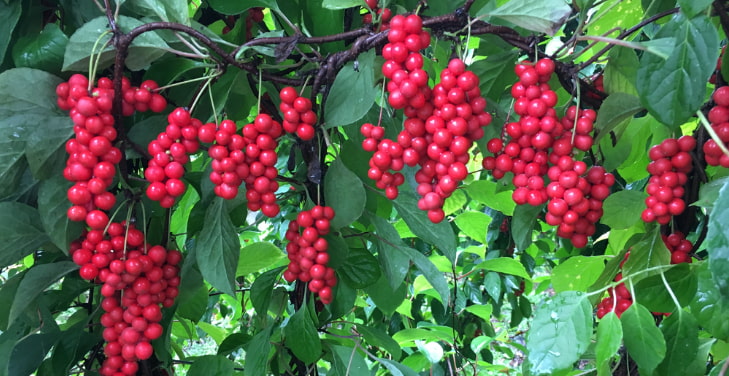
Daily schisandra intake depends on supplement form, extract strength, individual needs, and safety considerations.
What Is Schisandra?
Schisandra is a medicinal fruit rich in bioactive compounds, prominent in traditional East Asian medicine and increasingly found in modern supplements.
Botanical Origin
Schisandra usually refers to Schisandra chinensis, a vine belonging to the Schisandraceae family, native to Northeast China, Korea, Japan, and the Russian Far East. The ripe red fruits grow in clusters and contain characteristic lignans.
Traditional Uses
Traditional medicine uses Schisandra fruit, also known as wuweizi or "five-flavor fruit," in many formulas to support coughs, fatigue, digestive disorders, sleep, and liver health.
Active Compounds
Notable components include lignans, triterpenoids, flavonoids, phenolic acids, essential oils, and polysaccharides. Lignans, particularly schisandrin and gomisin, play a crucial role in the studied biological properties of Schisandra.
How Much Schisandra Per Day Is Recommended?
The daily dose of schisandra depends on the form of the raw material, the concentration level, and the active ingredient content of each product. Professional literature reports varying usage levels, so users need to consider the exact form of schisandra before determining the appropriate supplement dose.
Common Daily Amounts
Powdered schisandra fruit is commonly used at approximately 1.5–6 g per day; the Chinese Pharmacopeia recommends about 2–6 g of schisandra fruit per day for adults.
Extract Dosage
Clinical studies use various extract levels. One trial in adults using 1 g of schisandra extract per day for 12 weeks showed that the study dose is tied to a specific product and extraction process.
Why Dosage Varies
Lignan content, extraction ratio, and the standardization process determine the product's concentration. Users should rely on the actual ingredients listed on the label, intended use, and professional guidance to determine the daily dosage.
What Factors Affect the Right Schisandra Dosage?
The appropriate Schisandra dosage depends on the product's characteristics and the specific context of use. Lignan content, extract form, purpose of supplementation, and health status can all alter how the daily dose is determined.
Extract Strength and Active Compounds
The concentration level determines the amount of active ingredient provided per serving. Lignans such as schisandrin A, schisandrin B, and gomisin contribute to Schisandra's biological activity, so the extract's content and standardization are important factors in dose selection.
Individual Health Factors
Age, health status, sensitivity, and individual tolerance all influence dose selection. Individuals taking medication should pay particular attention, as Schisandra can affect CYP3A4 and P-glycoprotein, thereby altering the concentrations of certain medications in the body.
Purpose and Duration of Use
The intended use and duration of use also shape the approach to dosage. Studies show that the impact on drug-metabolizing enzymes can vary with concentration and duration of use, making dose assessment specific to each product and circumstance.
Schisandra Dosage by Supplement Form
The dosage form determines the actual amount of Schisandra provided per serving. The active ingredient content, concentration level, and manufacturing process create significant differences between products.
Capsules and Powders
Capsules typically provide a pre-measured amount of extract, while powders allow for dosage adjustment in grams. Some human studies using approximately 1 g of Schisandra extract per day for 12 weeks provide reference data for specific extract forms.
Teas and Tinctures
Tea uses dried fruit, and the amount of active ingredient depends on the amount of raw material, the temperature, and the steeping time. Tinctures contain concentrated extracts, so users should refer to the extraction ratio and dosage instructions on the label.
Standardized Extracts
Standardized extracts focus on Schisandra's characteristic lignan content. Users should check the extract amount per serving, the concentration ratio, and the active ingredient content before determining the total daily dose.
What Happens If You Take Too Much Schisandra?
High amounts of schisandra may increase the risk of discomfort and drug interactions, while toxicity data in humans remains limited. Existing literature notes several reactions that require monitoring when using large amounts or concentrated products.
Digestive Effects
Excessive amounts of schisandra may cause abdominal pain, stomach discomfort, and diarrhea. The severity of the reaction depends on the formulation, concentration, and individual tolerance.
Drug Interaction Risks
Schisandra may affect CYP3A4, CYP1A2, CYP3A5, and P-glycoprotein, thereby altering the concentrations of certain drugs in the body. Tacrolimus, midazolam, and other drugs metabolized through these systems require particular attention.
When to Seek Medical Advice
Severe abdominal pain, severe diarrhea, severe vomiting, shortness of breath, noticeable muscle weakness, or unusual bleeding require prompt medical evaluation. Individuals using high doses of Schisandra along with prescription medications should contact a healthcare professional for interaction risk assessment.
When Is the Best Time to Take Schisandra?
The best time to take Schisandra depends on the product form, intended use, and individual tolerance. Available literature lists various usage methods for different formulations, with some formulations divided into two doses per day.
Morning or Evening Use
Morning is suitable for those using Schisandra to support endurance and energy throughout the day. Some formulations may have separate morning and evening doses, depending on the product's specific dosage instructions.
Taking Schisandra With Food
Individuals with sensitive stomachs can take Schisandra with meals to improve tolerance. Stomach discomfort is a common reaction to monitor during use.
Consistent Daily Timing
Maintaining a consistent daily timing helps establish a regular supplementation routine and allows for easy monitoring of your body's response. Users should prioritize following instructions on product labels and consult a healthcare professional when taking this medication, as Schisandra may affect the metabolism of certain drugs.
Can You Take Schisandra Every Day?
Schisandra can be used daily in some cases, especially when users adhere to the prescribed dosage and monitor tolerance. One clinical trial administered 1 g of schisandra extract daily for 12 weeks to adults aged 50 years or older.
Daily Use and Duration
Continuous use should be tied to specific dosage, extract form, and supplementation goals. Long-term safety data, particularly for lignan-rich concentrated extracts, remain limited.
Reviewing Long-Term Use
Users should periodically assess the need for continued supplementation with a healthcare professional. Schisandra may affect CYP1A2, CYP3A4, CYP3A5, and P-glycoprotein, thereby impacting the metabolism or concentrations of certain medications.
Monitoring Individual Response
Monitoring for symptoms such as digestive discomfort, drowsiness, or changes in health during use helps assess tolerance and supports the decision to continue use.
Who Should Avoid or Limit Schisandra?
Schisandra should be carefully considered in individuals at risk of drug interactions or who are sensitive to herbal remedies. Safety data in humans is limited, especially regarding pregnancy and long-term use.
People Taking Medications
Individuals taking medications that are metabolized by CYP1A2, CYP3A4, CYP3A5, or P-glycoprotein should consult a healthcare professional before supplementing with Schisandra. Schisandra may alter the concentrations of some medications, with tacrolimus and midazolam requiring particular attention.
Pregnancy and Breastfeeding
Pregnant or breastfeeding women should consult their doctor before use. Data on the safety and efficacy of Schisandra in these two periods are currently limited.
Before Surgery
Individuals preparing for surgery should inform their doctor about their use of Schisandra and any other supplements they are taking. Pre-procedure assessment allows physicians to comprehensively consider the risk of drug interactions and adjust the care plan as needed.
How to Take Schisandra Safely
Using Schisandra safely requires focusing on product quality, dosage, and potential drug interactions. Users should review all ingredients before incorporating the product into their daily routine.
Choose Quality Products
Prioritize products with clear labels that accurately state the amount of Schisandra, the extract form, and serving size. Checking the origin and quality control standards helps reduce the risk of products containing unwanted ingredients.
Follow the Recommended Dose
Adhere to the recommended dosage on the label and consider the extract content when determining the total daily dose. Users should avoid combining multiple Schisandra-containing products to control total consumption.
Check for Drug Interactions
Individuals taking medication should consult their doctor or pharmacist before supplementing with Schisandra. This herb may affect CYP1A2, CYP3A4, CYP3A5, and P-glycoprotein, thereby altering the concentration or effects of certain medications.
Conclusion
Schisandra can become part of a daily supplement regimen when users choose the right product form, determine the appropriate dosage, and maintain consistent use.
The extract content, concentration level, and individual tolerance play a crucial role in determining the dosage. Those taking medication should consult a healthcare professional, as Schisandra may interact with CYP and P-glycoprotein, thereby altering the effects of some medications.
Frequently Asked Questions (FAQs)
- How Much Schisandra Can You Take Per Day? – The appropriate Schisandra dosage depends on the product form, concentration, and active ingredient content. Users should follow label instructions and consider the intended use and individual health needs when choosing an amount.
- Can You Take Schisandra Every Day? – Schisandra can be used daily in some cases when an appropriate dose is followed. Users should periodically reassess the need for continued supplementation because long-term safety data in humans remain limited.
- What Happens If You Take Too Much Schisandra? – High doses of Schisandra may increase the risk of gastrointestinal discomfort and medication-related problems. Monitoring the body's response can help identify early signs of intolerance and support appropriate management.
- Does Schisandra Interact With Medications? – Schisandra may affect CYP1A2, CYP3A4, CYP3A5, and P-glycoprotein, potentially altering the concentration or effects of certain medications. People taking medications should discuss Schisandra use with their doctor or pharmacist before taking it.
- Who Should Avoid or Limit Schisandra? – Individuals taking prescription medications, pregnant or breastfeeding women, and those preparing for surgery should discuss Schisandra use with a healthcare professional. Individual assessment can help manage potential interactions and risks.
