
One important point to note: Schisandra contains numerous bioactive compounds that can affect drug metabolism. This fruit has long been used in traditional East Asian medicine and is increasingly popular in modern supplements.
The concentrated extract provides a high concentration of active ingredients, making dosage and health conditions crucial factors. Side effects, allergies, drug interactions, and cardiovascular issues should be considered before regular use.
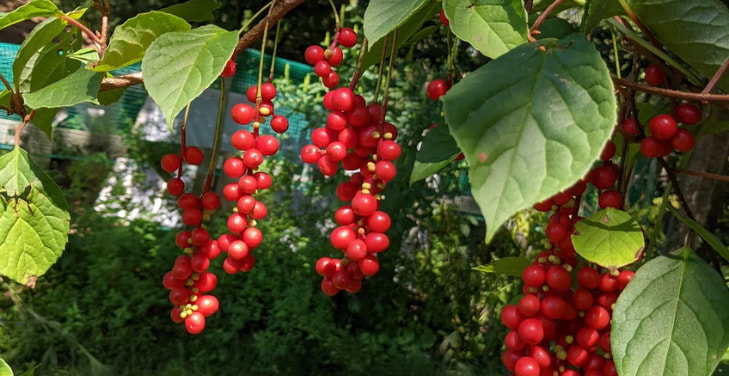
Schisandra may cause side effects or interact with certain medications when used regularly or alongside them.
What Is Schisandra?
Schisandra is a medicinal fruit rich in active plant compounds, used for centuries in traditional East Asian medicine. Its scientific name is Schisandra chinensis, and ripe fruit often exhibits a distinctive taste and a range of sensory responses. Schisandra products are available in various forms, from teas and fruit powders to capsules and concentrated extracts.
Botanical Profile
Schisandra chinensis belongs to the Schisandraceae family, growing as a woody vine and producing clusters of red fruit when mature. The fruit contains lignans, essential oils, and many other plant compounds that contribute to schisandra's bioactive properties.
Common Supplement Forms
Schisandra can be found in powder, tea, capsules, extracts, or herbal combination products. Each form offers different levels of active ingredients, especially with high-concentration extracts.
Why Concentrated Forms Matter
High concentrations of active ingredients can alter the level of impact on the body and the potential for drug interactions. Therefore, dosage, product quality, and individual health conditions play a crucial role in the regular use of schisandra.
What Are the Common Side Effects of Schisandra?
Schisandra is generally well tolerated at appropriate doses; however, some individuals may experience adverse reactions, particularly with concentrated extracts. The severity and manifestations depend on the dosage, product form, and individual sensitivity.
Digestive Symptoms
Digestive symptoms may include abdominal pain, nausea, heartburn, diarrhea, or stomach discomfort. High concentrations of the active ingredient in some preparations may increase the likelihood of these reactions.
Headache and Dizziness
Some individuals may experience headaches, dizziness, or fatigue after using schisandra. These symptoms should be considered in conjunction with the dosage, timing of use, and other supplemental products.
Dose and Individual Sensitivity
High doses and individual sensitivity may increase the risk of side effects. Following the instructions on the label helps control usage and minimize unwanted reactions.
Can Schisandra Cause Allergic Reactions?
Schisandra can cause allergic reactions in individuals sensitive to its plant-based ingredients. The severity of the reaction depends on individual susceptibility, the formulation, and the level of exposure. Symptoms range from mild to severe, so users should pay attention to any unusual changes after use.
Signs of an Allergic Reaction
Allergic reactions may manifest as itching, hives, rash, swelling of the lips, facial swelling, or irritation of the mouth and throat. Some people may experience digestive symptoms or general discomfort.
Higher-Risk Individuals
Individuals with a history of allergies to herbs or plant-based ingredients should exercise particular caution when using schisandra. Products containing multiple herbs can also make it more difficult to identify the causative agent of the reaction.
When to Seek Medical Care
Difficulty breathing, swollen throat, dizziness, rapid heartbeat, or a spreading reaction may signal a serious allergic reaction and require emergency medical attention.
Does Schisandra Affect the Liver?
Schisandra has a notable association with liver function through its lignans and plant compounds involved in metabolism. Several preclinical studies have noted potential effects on liver enzymes, while data on long-term effects in humans remain limited.
Liver Enzyme Activity
The components of schisandra may affect the activity of several metabolic enzymes in the liver. This property contributes to concerns about drug interactions and changes in drug concentrations in the blood, especially when users consume concentrated extracts.
People with Liver Conditions
People with liver disease should consult a healthcare professional before using schisandra. Liver function status, medications being taken, and schisandra dosage all affect safety.
Concentrated Extracts
Concentrated extracts provide a high amount of active ingredients per serving, so users should adhere to the recommended dosage and choose products with clearly stated ingredient information.
Schisandra and Medication Interactions
Schisandra may affect how the body absorbs, breaks down, and transports certain medications through metabolic enzymes and transport proteins in the liver and intestines. This characteristic creates significant concerns when users combine the herb with prescription or over-the-counter medications.
Drug Metabolism
The lignans in schisandra may affect enzymes such as CYP3A4 and certain drug transport systems. These changes can alter the blood levels of certain active ingredients, thereby affecting treatment efficacy and the risk of side effects.
Common Medication Concerns
Individuals taking medications for blood pressure, cholesterol, immune disorders, or chronic diseases should check for interactions before using schisandra. The total amount of active ingredients in multiple supplements should also be considered.
Professional Guidance
A doctor or pharmacist can assess your current medications, dosages, and health conditions to determine appropriateness. Users should provide a complete list of all medications and supplements before starting schisandra.
Can Schisandra Affect Blood Pressure or Heart Health?
Schisandra may affect the cardiovascular system through plant compounds that influence blood vessels, metabolism, and physiological responses. These effects are particularly noteworthy in individuals undergoing blood pressure treatment or using multiple supplements.
Blood Pressure Effects
Some preclinical studies have indicated that schisandra may affect vascular tone and blood pressure. The degree of response depends on the dose, extract form, and individual physiological characteristics.
Heart Health Considerations
Individuals with cardiovascular disease should consult their doctor before using schisandra regularly. Symptoms such as rapid heartbeat, dizziness, lightheadedness, or chest discomfort require prompt medical evaluation.
Blood Pressure Medications
Schisandra may affect the effectiveness of some blood pressure medications through drug metabolism mechanisms. People taking blood pressure medication should monitor their blood pressure and consult a healthcare professional before supplementing with schisandra.
Is Schisandra Safe During Pregnancy and Breastfeeding?
Schisandra should be used with caution during pregnancy and breastfeeding because safety data on pregnant women, fetuses, and breastfeeding infants are limited. Concentrated preparations also deliver high amounts of active ingredients, making dosage and risk assessment even more important.
Pregnancy Safety
The compounds in schisandra are highly bioactive and may affect various physiological processes. Pregnant women should consult with their obstetrician or healthcare professional before using any schisandra product.
Breastfeeding Considerations
Herbal active ingredients may pass into breast milk, depending on their pharmacokinetic properties. Breastfeeding mothers should consult a healthcare professional about the product's composition, dosage, and form before use.
Concentrated Supplements
Extracts, capsules, and high-concentration products require careful consideration of dosage, quality, and ingredient combination during this particular period.
Who Should Avoid or Use Caution With Schisandra?
Schisandra is suitable for many people when used correctly; however, some groups need careful risk assessment before supplementation. Health conditions, medications being taken, and the purpose of use all influence the product selection decision.
People With Medical Conditions
Individuals with liver disease, cardiovascular disease, blood pressure disorders, or chronic illnesses should consult a healthcare professional before using schisandra. A doctor may consider organ function, dosage, and potential interactions based on individual circumstances.
People Taking Medications
Schisandra may affect drug-metabolizing enzymes and transport proteins in the liver, thereby altering the concentration of certain medications in the body. Individuals taking multiple prescription or over-the-counter medications should check for interactions before supplementation.
Before Surgery or Medical Treatment
Individuals preparing for surgery should inform their doctor and anesthesia team about their use of schisandra. Providing comprehensive information about herbal remedies helps healthcare professionals assess factors related to the medication and treatment process.
What Happens If You Take Too Much Schisandra?
Using schisandra in high amounts may increase the risk of side effects, especially when users choose concentrated extracts or combine multiple schisandra-containing products. The severity of the reaction depends on the dosage, formulation, and individual characteristics.
Increased Side Effects
Excessive schisandra intake may cause nausea, abdominal pain, diarrhea, headache, or dizziness. Gastrointestinal symptoms are often noticeably bothersome and can affect daily activities.
Dosage Considerations
Users should adhere to the manufacturer's recommended dosage on the label and consider the amount of active ingredient in each formulation. Concentrated extracts may provide a high amount of bioactive compounds in a small serving.
When to Seek Medical Care
Severe symptoms such as shortness of breath, facial swelling, severe dizziness, chest pain, or an irregular heartbeat require immediate medical evaluation. Users should also provide healthcare professionals with information about the product, dosage, and timing of use.
How to Use Schisandra More Safely
Using schisandra more safely requires users to pay attention to product quality, active ingredient content, and their individual health conditions. These control measures help reduce the risk of overdose and limit drug interaction issues.
Choose Quality Supplements
Choose products with clear ingredient labels, transparent origins, and specific dosage instructions. Products from reputable manufacturers allow users better control over the schisandra content in each serving.
Follow Recommended Dosage
Adhere to the dosage indicated on the label and use the correct form of the product. Concentrated extracts often contain high levels of active ingredients, so users need to pay particular attention to serving size.
Avoid Ingredient Overlap
Check the ingredients of products you are currently using to avoid overlapping schisandra supplements or other herbs that may interact.
Discuss With a Healthcare Professional
Individuals who are taking medication, have chronic illnesses, are pregnant, or are preparing for surgery should discuss with their doctor or pharmacist before using schisandra regularly.
Conclusion
Schisandra contains many bioactive compounds but also raises significant safety concerns when used in concentrated extract form. Possible side effects include digestive and neurological issues, and allergic reactions in sensitive individuals.
Drug interactions, liver function, blood pressure, and cardiovascular health should also be carefully considered. Pregnant women, breastfeeding mothers, individuals with chronic illnesses, and those planning surgery should consult a healthcare professional before use.
Frequently Asked Questions (FAQs)
- Can Schisandra Cause Side Effects? – Schisandra may cause nausea, abdominal pain, diarrhea, headache, or dizziness in some people. Dosage, extract form, active ingredient content, and individual sensitivity can affect the likelihood of these reactions.
- Does Schisandra Interact With Medications? – Schisandra may affect drug-metabolizing enzymes and transport proteins, potentially altering the concentration of some medications in the body. People taking prescription medications or multiple supplements should discuss schisandra use with a doctor or pharmacist before combining them.
- Is Schisandra Safe During Pregnancy? – Data on schisandra during pregnancy is limited, particularly for concentrated extracts. Pregnant women should discuss its use with their obstetrician to assess the composition, dosage, and individual risk factors.
- Can Schisandra Affect Blood Pressure? – Schisandra may affect cardiovascular function and blood pressure through its bioactive plant compounds. Individuals taking blood pressure medication should monitor their response and consult a healthcare professional before using schisandra supplements.
- Who Should Avoid Schisandra? – Individuals with liver disease, cardiovascular disease, or blood pressure disorders, those taking multiple medications, and pregnant or breastfeeding women should exercise particular caution with schisandra. People preparing for surgery should also inform their medical team about its use.
