
Cholesterol levels directly impact cardiovascular health and quality of life. A diet rich in bioactive compounds produces noticeable changes in blood lipid balance. Blueberries stand out as a natural source of polyphenols and anthocyanins.
Could a small fruit effectively help control LDL and protect arteries? The answer lies in the powerful biological mechanisms that blueberries offer to the circulatory system.
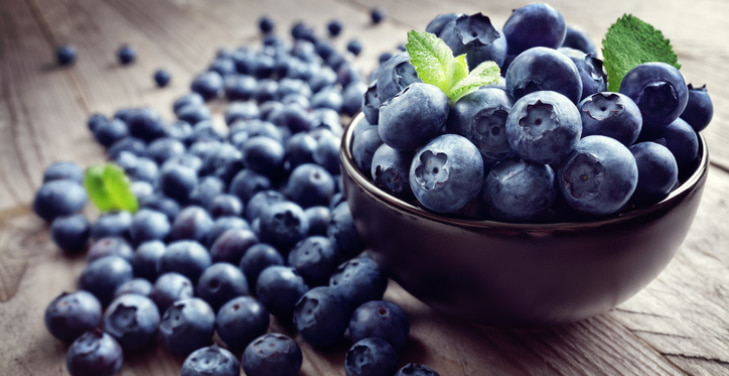
Blueberries support healthy cholesterol levels and help protect heart health naturally.
What Are Blueberries?
Blueberries, with their deep purplish-blue color, make a strong impression in terms of nutritional value and cardiovascular health benefits. These fruits grow naturally in temperate climates and contain many bioactive compounds that are highly active in the body, contributing to lipid metabolism regulation and protecting the cardiovascular system.
Natural Origin and Botanical Profile
Blueberries belong to the group of nutrient-rich berries, growing on low-growing shrubs. They have a thin skin, juicy flesh, and small seeds. The deep color indicates a high density of bioactive plant compounds.
Key Nutritional Components
Blueberries provide soluble fiber, vitamin C, vitamin K, and manganese. Their rich polyphenol content, especially anthocyanins, promotes blood lipid balance and helps reduce bad cholesterol.
Functional Role in Heart Health
The antioxidants in blueberries help regulate lipid oxidation. This mechanism helps maintain stable blood vessel walls, increasing the effectiveness of cardiovascular protection in a daily diet.
Understanding Bad Cholesterol (LDL)
LDL cholesterol plays a central role in the transport of lipids in the blood, directly affecting cardiovascular health. An increase in LDL facilitates cholesterol accumulation in the vessel walls, promoting plaque formation and altering the structure of blood vessels over time.
What Is LDL Cholesterol?
LDL acts as a carrier, transporting cholesterol from the liver to peripheral tissues. Its lipid-rich lipoprotein structure allows LDL to circulate easily in the blood. When concentrations are high, LDL distributes cholesterol into the vessel walls at a faster rate.
How LDL Affects Arterial Health
LDL penetrates the vascular endothelium and accumulates in the arterial walls. This process triggers a biological response in vascular tissue, thickening the vessel walls and reducing elasticity.
Role in Plaque Formation
Oxidized LDL signals that attract immune cells. These cells absorb lipids and form plaque. Plaque gradually grows, narrowing the vessel lumen and affecting blood flow.
Nutritional Compounds That Lower LDL
The nutritional compounds in blueberries have a significant biological impact on lipid metabolism. The combination of soluble fiber and phytochemicals helps regulate blood cholesterol, thereby contributing to a sustainable reduction in LDL and improved cardiovascular health.
Soluble Fiber and Lipid Regulation
Soluble fiber binds to bile acids in the intestines, promoting the elimination of cholesterol from the body. This mechanism stimulates the liver to use endogenous cholesterol to synthesize new bile acids, thereby reducing LDL levels in the blood.
Polyphenols and Cholesterol Metabolism
Polyphenols act as regulators of enzymes involved in lipid metabolism. These compounds promote the breakdown of cholesterol and help maintain blood lipid balance.
Anthocyanins and Vascular Protection
Anthocyanins create the characteristic bluish-purple color and activate powerful antioxidant mechanisms. This active ingredient helps stabilize lipoprotein structure, reduce LDL accumulation, and enhance vascular protection.
How Blueberries Help Reduce LDL Levels
Blueberries directly impact several biological links involved in cholesterol metabolism. The bioactive compounds in this fruit activate an intrinsic chain reaction, thereby regulating LDL levels in a way that benefits the cardiovascular and circulatory systems.
Enhancing Lipid Metabolism Efficiency
Polyphenols in blueberries stimulate lipid-metabolizing enzymes in the liver. This process promotes cholesterol breakdown and enhances the use of lipids for energy. The liver regulates lipoprotein production more balanced, contributing to lower LDL in the blood.
Promoting Cholesterol Clearance
Soluble fiber in blueberries binds to cholesterol in the digestive tract. This mechanism increases cholesterol excretion through the excretory system. The liver responds by mobilizing endogenous cholesterol, thereby reducing circulating LDL levels.
Supporting Cellular Antioxidant Activity
Anthocyanins activate the intracellular antioxidant system. This substance protects lipoprotein structures and maintains cell membrane function. As a result, the accumulation of LDL in the blood vessel walls is significantly reduced, helping to maintain a stable blood flow.
Increasing Good Cholesterol (HDL)
Blueberries promote an increase in HDL through several biological mechanisms closely linked to lipid metabolism and vascular protection. The active compounds in the fruit activate the reverse cholesterol transport process, thereby enhancing cardiovascular protection and maintaining blood lipid balance.
Stimulating Reverse Cholesterol Transport
HDL transports excess cholesterol from peripheral tissues back to the liver. Anthocyanins in blueberries stimulate the activity of transport proteins, thereby increasing the efficiency of cholesterol collection and raising HDL levels in circulation.
Enhancing Lipoprotein Functionality
Polyphenols improve the structure and function of HDL. HDL particles become more flexible in binding and transporting lipids, helping maintain stable cholesterol levels and supporting cardiovascular protection.
Supporting Enzymatic Activity for HDL Formation
Blueberries promote the activity of enzymes involved in HDL synthesis in the liver. This process increases the amount of beneficial lipoproteins, thereby improving the ability to clear cholesterol from the blood and optimizing vascular health.
Antioxidant Effects on Cholesterol Oxidation
Cholesterol oxidation plays a key role in the development of arterial plaque. Blueberries provide a powerful antioxidant system that directly impacts lipid oxidation reactions, thereby supporting the protection of blood vessel structure and maintaining stable circulation.
Inhibiting LDL Oxidation
Anthocyanins in blueberries neutralize free radicals in the plasma. This active ingredient stabilizes LDL structure and reduces the rate of transformation into oxidized forms. Stable LDL helps limit the signaling that triggers inflammatory responses in the blood vessel walls.
Reducing Oxidative Stress in Blood Vessels
Polyphenols activate endogenous antioxidant enzymes such as superoxide dismutase and catalase. This activity reduces oxidative stress in the vascular endothelium, helping to maintain a balanced biological environment and support vascular function.
Preventing Plaque Formation
Stable LDL reduces lipid accumulation in the arterial walls. Immune cells reduce lipid absorption, thereby limiting the formation of foam cells. Blood vessels maintain their elasticity and stable structure, contributing to long-term cardiovascular protection.
Anti-Inflammatory Benefits for Arteries
Inflammation in the blood vessel walls promotes endothelial damage and increases the risk of lipid accumulation. Blueberries provide bioactive compounds that help regulate inflammatory responses, thereby supporting the maintenance of healthy and stable blood vessel structure.
Modifying Inflammatory Pathways
Anthocyanins in blueberries regulate the activity of inflammatory cytokines. This compound reduces inflammatory signals in endothelial cells, helping to maintain a balanced biological environment within the blood vessels.
Protecting Endothelial Function
Polyphenols enhance nitric oxide activity, supporting vasodilation and improving blood flow. The endothelium remains flexible, contributing to stable flow and limiting microvascular damage.
Reducing Vascular Stress and Damage
The antioxidants in blueberries soothe oxidative stress responses associated with inflammation. Blood vessel walls maintain structural integrity, reducing lipid accumulation and supporting efficient circulatory function.
Scientific Evidence and Studies
Scientific studies provide a solid foundation for the role of blueberries in cholesterol control. Data from clinical trials and epidemiological analyses show that bioactive compounds in blueberries significantly impact lipid profiles and vascular function.
Clinical Trials on Lipid Profiles
Numerous clinical trials have noted improvements in LDL and HDL levels after adding blueberries to the diet. Participants who consumed blueberries consistently showed positive changes in blood lipid balance.
Bioactive Compounds and Mechanistic Studies
Mechanistic studies indicate that anthocyanins and polyphenols activate enzymes involved in cholesterol metabolism. These compounds promote lipid transport and improve vascular endothelial function.
Epidemiological Evidence
Large-scale population analyses show that groups who regularly consume blueberries maintain stable cardiovascular health. Frequent consumption of blueberries is associated with healthier cholesterol levels and a lower risk of cardiovascular disease.
Best Ways to Eat Blueberries for Cholesterol Control
How you consume blueberries directly affects their effectiveness in controlling cholesterol. Choosing the right form of consumption and food combination optimizes nutrient absorption and enhances the impact on lipid metabolism.
Choosing Fresh or Frozen Forms
Fresh blueberries retain their full natural vitamin and enzyme content. Frozen blueberries maintain most of their polyphenols and anthocyanins, providing stable nutritional value. Both forms support LDL control when consumed regularly.
Combining with Heart-Healthy Foods
Blueberries combine effectively with oatmeal, chia seeds, and yogurt. This combination increases soluble fiber and healthy fats, thereby promoting cholesterol balance and improving cardiovascular health.
Optimizing Daily Intake Timing
Consuming blueberries for breakfast helps the body absorb nutrients more effectively. The bioactive compounds directly participate in energy metabolism, support lipid regulation, and maintain stable cholesterol levels throughout the day.
Who Can Benefit Most from This Effect?
The LDL-lowering and cholesterol-balancing effects of blueberries offer significant value to a wide range of groups. These benefits are particularly pronounced when the body needs lipid regulation or when the cardiovascular system requires comprehensive support.
Individuals with Elevated Cholesterol Levels
Individuals with high LDL levels benefit directly from the compounds in blueberries. Anthocyanins and fiber promote reduced cholesterol buildup in the blood, supporting improved lipid profiles.
People at Risk of Cardiovascular Disease
Individuals with cardiovascular risk factors such as high blood pressure or lipid metabolism disorders benefit from the vascular protective effects. Blueberries help stabilize the endothelium and enhance circulatory function.
Health-Conscious Individuals Seeking Prevention
Individuals maintaining a healthy lifestyle incorporate blueberries as part of a balanced diet. Regular supplementation helps control cholesterol and strengthens the foundation for long-term cardiovascular health.
Practical Tips for Daily Intake
Maintaining a daily blueberry intake optimizes cholesterol control and supports cardiovascular health. A flexible and scientific approach ensures the body fully absorbs the bioactive compounds, while also supporting sustainable nutrition.
Recommended Daily Portions
A serving of approximately 75–150g of blueberries per day provides an ideal amount of polyphenols and fiber. This level of consumption supports blood lipid regulation and maintains stable biological effects over time.
Easy Integration into Meals
Blueberries are easily incorporated into breakfast with oatmeal, smoothies, or yogurt. This combination increases nutrient density and facilitates the absorption of beneficial compounds.
Consistency for Long-Term Benefits
Consistency in daily consumption creates a cumulative impact on cholesterol metabolism. A consistent habit allows the body to adapt and maximize the cardiovascular benefits.
Conclusion
Blueberries offer a holistic impact on cholesterol through their fiber, polyphenols, and anthocyanins. These closely intertwined biological mechanisms help reduce LDL, increase HDL, and stabilize blood vessel walls. This effect strengthens the foundation for proactive cardiovascular protection.
Adding blueberries to your daily diet is a clear nutritional step. A balanced and consistent serving optimizes the benefits. This decision supports cholesterol control and promotes long-term health.
Frequently Asked Questions (FAQs)
- Do blueberries really help lower LDL quickly? – Blueberries may support healthy lipid metabolism through their fiber and polyphenol content. Changes in cholesterol profiles generally develop gradually with regular consumption over several weeks as part of a balanced diet.
- How many blueberries should I eat daily to support cholesterol? – A serving of approximately 75–150 g of blueberries provides anthocyanins, polyphenols, fiber, and other beneficial plant compounds. Including this amount in a balanced diet can support overall cardiovascular and lipid health.
- Do blueberries effectively increase HDL? – Blueberries contain anthocyanins and other polyphenols that may support healthy cholesterol metabolism and cardiovascular function. Their overall effect on HDL levels varies according to diet, lifestyle, and individual metabolic characteristics.
- Should I eat fresh or frozen blueberries for best results? – Both fresh and frozen blueberries provide anthocyanins and other polyphenols. Properly frozen blueberries can retain much of their antioxidant content, while fresh blueberries provide a convenient option when stored appropriately.
- Which foods combine well with blueberries to lower cholesterol? – Blueberries pair well with oats, chia seeds, nuts, and other fiber- and nutrient-rich foods. These combinations provide soluble fiber, healthy fats, and plant compounds that can support cholesterol management as part of a heart-healthy diet.
