
A cup of lemon balm tea offers a delicate aroma, a refreshing taste, and a relaxing feeling from the very first sip. This herbal beverage enriches the diet while providing many natural plant compounds of interest in the health field.
Interestingly, a tea with such a refined flavor possesses a sophisticated brewing process. The quality of the leaves, water temperature, brewing time, and storage methods all contribute to the harmonious aroma, clear color, and rich tea-drinking experience.
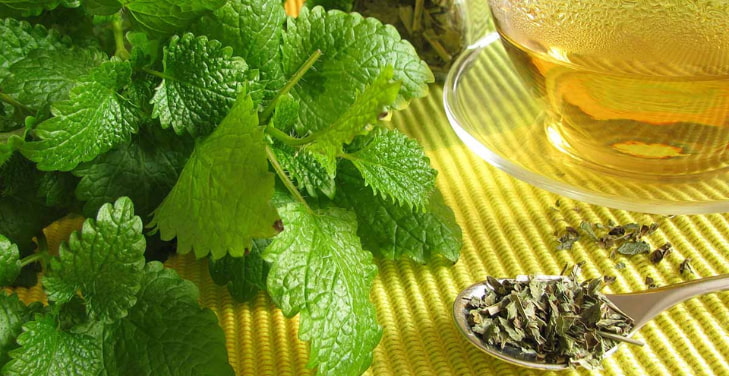
Fresh or dried lemon balm leaves create a fragrant herbal tea with a naturally refreshing flavor.
What Is Lemon Balm Tea?
Lemon balm tea is an herbal beverage made from the leaves of the Melissa officinalis plant. Its refreshing aroma and natural plant compounds provide a pleasant experience, while also contributing to hydration and enriching your daily diet.
Flavor and Aroma
Lemon balm creates a refreshing aroma with subtle citrus undertones and a gentle herbal taste. When brewed correctly, the tea has a clear, pale yellow color, offering a fresh feeling and suitability for enjoyment at various times of the day.
Traditional Herbal Uses
Many traditional medicine systems use lemon balm tea to promote relaxation, cultivate mental balance, and enhance feelings of well-being. Compounds such as rosmarinic acid and flavonoids contribute to the bioavailability of this herbal tea.
Fresh vs. Dried Leaves
Fresh leaves offer a vibrant aroma and a bright, refreshing taste, while dried leaves provide convenience and longer shelf life. Both options produce a richly flavorful cup of tea when using clean, high-quality ingredients and a proper brewing process.
Ingredients and Equipment You'll Need
Preparing the right ingredients and equipment ensures a smooth brewing process for lemon balm tea, creating a harmonious flavor and preserving many natural plant compounds. Attention to detail from the start contributes to the quality of each cup of tea.
Essential Ingredients
High-quality fresh or dried lemon balm leaves are central to the brewing process. Pure filtered water helps the aroma fully spread. Honey, fresh lemon, ginger, or mint leaves add rich layers of flavor, creating natural accents and catering to various tea-drinking preferences.
Brewing Equipment
A glass, porcelain, or ceramic teapot maintains stable heat and aids in aroma extraction. A strainer or tea bag ensures clear and easy-to-drink tea. Measuring cups, measuring spoons, and a water thermometer allow for precise control of ingredients and temperature, resulting in a fragrant, balanced, and flavorful cup of tea.
How to Make Lemon Balm Tea With Fresh Leaves
Fresh lemon balm leaves retain their natural aroma and create a refreshing cup of tea. The correct brewing process releases essential oils and plant compounds, resulting in a harmonious flavor and a pleasant tea-drinking experience.
Preparing Fresh Leaves
Choose fresh, intact, and fragrant leaves. Gently rinse them under clean running water to remove dirt, then drain. Lightly crush or tear the leaves before brewing to help the aroma spread faster in hot water.
Leaf-to-Water Ratio
Use approximately 10–15 fresh leaves or a small handful for 250–300 ml of water. A balanced ratio ensures the tea has the right strength, a distinct aroma, and a mild herbal taste, creating a pleasant experience.
Steeping and Serving
Boil water to approximately 90–95°C and pour it over the prepared leaves. Steep the tea for 5–10 minutes to allow the active ingredients and aromas to infuse into the water. Enjoy while warm, or add honey, a few slices of lemon, or fresh ginger to deepen the flavor and enhance the freshness of each cup.
How to Make Lemon Balm Tea With Dried Leaves
Dried lemon balm leaves offer convenience in storage and use, while retaining many of their characteristic aromatic compounds. Proper brewing techniques ensure even aroma distribution, a clear tea, and a harmonious, enjoyable herbal flavor.
Measure the Dried Leaves
Use approximately 1–2 teaspoons of dried lemon balm leaves for 250 ml of water. The right amount of ingredients creates a balanced strength while enhancing the characteristic aroma and mild flavor of the herbs.
Choose the Right Water Temperature
Heat water to approximately 90–95°C before pouring it into the teapot. This temperature effectively releases essential oils and plant compounds, contributing to a light yellow tea color and a refreshing aroma.
Steep the Tea Properly
Steep the tea for 5–10 minutes to allow the ingredients to infuse into the water. Proper cooking time helps balance the flavors, resulting in a smooth and well-rounded taste with every sip.
Strain and Serve
Strain the tea leaves using a fine sieve or mesh filter, then pour the tea into a cup. You can add honey, a few slices of lemon, or fresh ginger to enrich the flavor and create a fragrant and appealing herbal drink.
Fresh vs. Dried Lemon Balm: Which Is Better?
Both fresh and dried lemon balm leaves produce a rich, aromatic tea with many valuable plant compounds. The choice depends on intended use, storage conditions, and tea-drinking habits, thus providing an experience suited to daily needs.
Flavor and Active Compounds
Fresh leaves offer a bright aroma, strong essential oil diffusion, and a refreshing sensation in every sip. Dried leaves retain more polyphenols, flavonoids, and rosmarinic acid due to proper drying techniques. Standard storage ensures stable flavor and maintains ingredient quality for a long time.
Convenience and Storage
Fresh leaves are suitable for home herb growers and those who prefer freshly harvested ingredients. Dried leaves meet the needs of frequent use thanks to their long shelf life, quick preparation, and easy measurement. The ingredients are clean, dry, and stored in airtight containers, ensuring a pleasant aroma and consistent quality with each brewing session.
Tips for Brewing the Best Lemon Balm Tea
A fragrant cup of lemon balm tea is created from a harmonious combination of ingredients, temperature, and brewing time. Each small step contributes to highlighting the natural aroma, preserving the refreshing taste, and enhancing your daily tea-drinking experience.
Use the Right Water Temperature
Water at around 90–95°C allows essential oils and plant compounds to dissolve effectively. This ideal temperature results in a clear, pale yellow tea with a gently spreading aroma and a balanced, pleasant taste.
Adjust the Steeping Time
A steeping time of 5–10 minutes provides a full-bodied flavor and characteristic aroma. You can adjust the time according to the amount of leaves and personal preference to achieve the desired strength while maintaining a refreshing sensation in every sip.
Enhance the Natural Flavor
Honey, a few slices of lemon, fresh ginger, or mint leaves enrich the flavor profile and enhance the appeal of the drink. Using fresh, clean ingredients, quality filtered water, and clean tea-making utensils will help create a fragrant, flavorful, and enjoyable cup of lemon balm tea.
Creative Variations to Try
Lemon balm tea offers a refreshing base that's easy to combine with various herbs and natural ingredients. Each combination creates a unique flavor profile, enriching the tea-drinking experience and contributing to a diverse range of botanical compounds.
Herbal Blends
Mint leaves provide a refreshing sensation and a strong, spreading aroma. Chamomile flowers create a smooth tea flavor with a gentle fragrance. The blend of lemon balm, mint, and chamomile creates a balanced, fragrant herbal drink perfect for relaxing moments throughout the day.
Natural Flavor Enhancers
Honey adds a touch of sweetness, fresh lemon provides a vibrant citrus aroma, and ginger adds depth and warmth. A slice of orange, some berries, or a cinnamon stick can be added to enhance the color and aroma. These natural ingredients make each cup of tea appealing, flavorful, and suitable for a variety of tastes.
How to Store Fresh and Dried Lemon Balm
Proper storage helps lemon balm leaves maintain their aroma, color, and phytochemical content for a long time. Suitable storage conditions help maintain the ingredient's quality, resulting in fragrant and flavorful cups of tea every time it's brewed.
Storing Fresh Leaves
Place fresh leaves in slightly damp paper towels, then put them in an airtight bag or container and store them in the refrigerator. This method helps the leaves retain their freshness, crispness, and natural aroma for several days.
Drying Lemon Balm at Home
Harvest the leaves when they are dry, tie them into small bundles, or spread them evenly on a mesh tray in a well-ventilated area. The slow drying process helps the leaves retain their essential oils and characteristic aroma, while also facilitating long-term storage.
Keeping Dried Herbs Fresh
Store the dried leaves in a glass jar or airtight container with a secure lid. Store the box in a cool, dry place away from direct sunlight to maintain the aroma and preserve the quality of the herbs.
Check Quality Regularly
Observe the color, aroma, and dryness of the herbs periodically to maintain consistent quality. Leaves with a distinct aroma, olive green or light green color, and a crisp, dry texture will yield a delicious, high-quality cup of tea.
Common Mistakes to Avoid
The quality of lemon balm tea depends on every detail in the brewing process. A few small habits can alter the aroma, color, and overall taste. Proper technique ensures each cup of tea retains its harmony and the value of the ingredients.
Using Excessively Hot Water
Water that is too hot causes the aroma to evaporate quickly and results in a harsher taste than desired. A temperature of around 90–95°C allows essential oils and plant compounds to blend harmoniously, resulting in a delicate aroma and a clear, bright tea color.
Steeping Beyond the Ideal Time
The ideal steeping time ranges from 5–10 minutes. This allows the flavors to fully develop while maintaining a smooth, mellow sensation in each sip. Monitoring the steeping time from the moment you pour the water ensures consistent quality each time you brew.
Choosing High-Quality Herbs
Lemon balm leaves, with their vibrant color, distinct aroma, and transparent origin, will create a richly flavorful cup of tea. Proper storage conditions help preserve essential oils, retain sensory characteristics, and enhance enjoyment with each use.
Is Lemon Balm Tea Right for Everyone?
Lemon balm tea is suitable for many people who enjoy herbal drinks and want a gentle option to add to their daily routine. Appropriate use, tailored to individual health conditions and goals, will contribute to a safe, pleasant, and sustainable experience.
Who May Benefit Most
Healthy adults, those who enjoy herbal teas, or those wishing to diversify their plant-based intake can enjoy lemon balm tea. Moderate consumption, combined with a balanced diet and a healthy lifestyle, will maximize the benefits of this beverage in daily life.
When to Seek Medical Guidance
Pregnant women, breastfeeding women, young children, individuals taking medication, or those with thyroid conditions or chronic illnesses should consult their doctor before regular use. Professional assessment helps select the appropriate dosage, minimize drug interactions, and develop a treatment plan that meets specific health needs.
Conclusion
Lemon balm tea offers a refreshing flavor, versatile brewing options, and herbal value suitable for many modern lifestyles. Selecting quality ingredients, using the appropriate temperature, and storing it properly ensure each cup retains its aroma and natural botanical compounds.
Enjoying it in moderation as part of a balanced diet creates a pleasant and lasting experience. Individuals with specific health conditions or those taking medication should consult their doctor to develop a personalized usage plan.
Frequently Asked Questions (FAQs)
- Can lemon balm tea be drunk daily? – Lemon balm tea may be enjoyed daily in moderation as part of a balanced diet and healthy lifestyle. Regular consumption can provide beneficial plant compounds while supporting a consistent wellness routine.
- Should fresh or dried leaves be used to brew the tea? – Fresh lemon balm leaves provide a vibrant aroma and refreshing flavor, while dried leaves offer convenience and more consistent quality when stored properly. The best choice depends on ingredient availability, personal preference, and your tea-making goals.
- How long should lemon balm tea be brewed? – Steeping lemon balm tea for about 5–10 minutes allows its aroma, flavor, and naturally occurring plant compounds to infuse into the water. The exact brewing time can be adjusted to suit your preferred taste and tea strength.
- What ingredients can be combined with lemon balm tea? – Lemon balm tea pairs well with ingredients such as honey, lemon, ginger, mint, chamomile, or cinnamon. These additions can enhance flavor and create a more enjoyable herbal tea experience while complementing individual taste preferences.
- Who should consult a doctor before use? – People who are pregnant or breastfeeding, young children, individuals with chronic illnesses or thyroid conditions, and those taking prescription medications should consult a healthcare professional before using lemon balm tea regularly.
