
The demand for muscle building, weight management, and improved athletic performance is attracting significant attention in the modern health-conscious community. Leucine is increasingly featured in sports nutrition plans, high-protein menus, and athlete supplements.
This essential amino acid directly participates in muscle protein synthesis and recovery. Many nutrition experts consider leucine a crucial component for maintaining athletic strength and supporting more efficient energy metabolism each day.
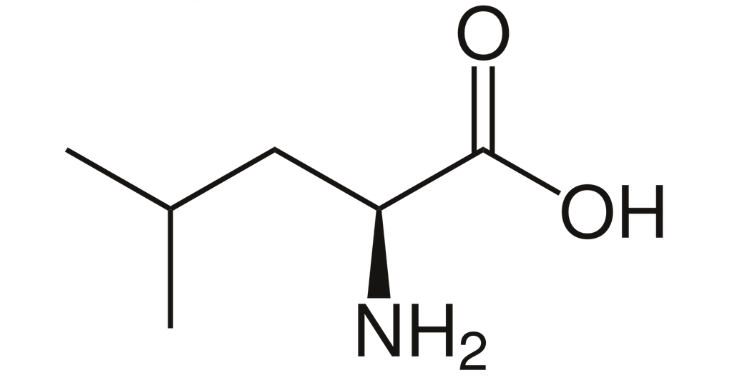
Leucine supports muscle protein synthesis and recovery after intense physical activity sessions.
What Is Leucine?
Leucine plays a central role in the building and maintenance of muscle tissue. This amino acid is naturally found in many protein-rich foods and is deeply involved in metabolic processes that generate energy in the body. A fast-paced lifestyle, high-intensity training regimens, and the need for physical recovery have led to increasing attention for leucine.
Essential Amino Acid
Leucine is an essential amino acid that supports protein synthesis and promotes muscle cell activity. The body absorbs leucine through daily foods such as meat, fish, eggs, milk, and nutrient-rich legumes.
Muscle Protein Synthesis
Leucine activates the mechanism of muscle protein synthesis through important metabolic signals within cells. This process contributes to enhanced recovery after exercise, supports the development of lean muscle mass, and maintains stable physical strength.
Common Food Sources
Many protein-rich foods provide ample amounts of leucine. Beef, chicken breast, salmon, Greek yogurt, whey protein, and soy are common in diets aimed at building muscle and improving athletic performance.
Nutritional Importance of Leucine
Leucine plays a crucial role in the nutritional system related to muscle growth, energy metabolism, and physical recovery. This amino acid strongly impacts cellular activity and promotes many biological processes essential for overall health. A diet rich in leucine often provides a solid foundation for athletic performance and the maintenance of muscle mass.
Protein Metabolism
Leucine directly participates in protein metabolism within the body. This substance stimulates biological signals that help muscle cells utilize amino acids more efficiently, thereby supporting lean tissue growth and improving recovery after high-intensity exercise.
Energy Support
The body uses leucine as a source of energy support during prolonged exercise. This process contributes to maintaining endurance, increasing adaptability to training stress, and promoting alertness during continuous physical activity.
Healthy Aging
Leucine helps maintain muscle mass in older adults. Adequate protein intake, combined with leucine, supports physical strength, balance, and the overall quality of daily life.
Pros of Leucine
Leucine offers many outstanding benefits for metabolic health and athletic performance. This amino acid promotes muscle tissue building, supports physical recovery, and helps maintain the body's stable functioning. Many modern sports nutrition regimens include leucine as a core nutrient due to its strong impact on protein synthesis.
Supports Muscle Growth
Leucine activates signaling pathways involved in muscle growth, thereby promoting protein synthesis in muscle cells. This mechanism helps increase lean tissue density, improve athletic strength, and enhance training efficiency in individuals who regularly engage in physical activity.
Enhances Workout Recovery
After high-intensity workouts, the body needs a source of quality amino acids to rebuild muscle tissue and replenish energy. Leucine supports a more robust recovery process while helping muscles maintain firmness and flexibility during continuous exercise.
Supports Healthy Aging
Muscle mass plays a crucial role in physical strength and mobility as we age. Leucine helps maintain healthy muscle tissue, improve motor coordination, and support the body in maintaining a stable level of physical fitness during daily activities.
Promotes Protein Utilization
Leucine helps the body utilize protein more efficiently in metabolic processes. This process supports nutrient absorption, promotes energy balance, and facilitates long-term maintenance of overall health.
Cons of Leucine
Leucine offers many benefits for muscle growth and energy metabolism; however, high doses over extended periods can put strain on the body's nutritional balance. The need for leucine supplementation should be adjusted according to exercise intensity, diet, and overall health to maintain optimal effectiveness.
Digestive Discomfort
High amounts of leucine from supplements can cause the digestive system to work harder than normal. Some people experience bloating, heartburn, or gastrointestinal discomfort after taking large doses for a short period.
Amino Acid Imbalance
The body needs a balance of various amino acids to maintain stable metabolic activity. Excessive focus on leucine can alter nutrient absorption rates, thereby affecting the efficient use of protein in muscles and other tissues.
Kidney Workload
The metabolism of proteins and amino acids places a certain metabolic strain on the kidneys. Prolonged leucine supplementation, along with high protein intake, can increase the body's need to process nitrogenous waste and maintain homeostasis.
Best Food Sources of Leucine
Leucine is found in many protein-rich foods and plays a crucial role in muscle building, recovery, and maintaining energy metabolism. A varied diet with quality leucine sources helps the body absorb amino acids more efficiently, while also providing a solid nutritional foundation for daily activities.
Animal Protein Sources
Beef, chicken, salmon, and eggs provide abundant leucine and are complete proteins. These foods support muscle tissue growth, promote post-exercise recovery, and help maintain stable physical strength. Milk, cheese, and Greek yogurt also provide high amounts of leucine in the daily diet.
Plant-Based Sources
Soybeans, lentils, pumpkin seeds, and oats contain leucine along with many important plant nutrients. These foods support energy levels, increase protein intake in meals, and are suitable for a plant-based diet.
Sports Nutrition Options
Whey protein has become a popular choice due to its concentrated leucine content and rapid absorption. Many people use whey after workouts to promote muscle recovery and maintain strong athletic performance.
Leucine Supplements vs. Food Sources
Leucine is available in many different supplement forms, from natural foods to protein powders and sports capsules. Each source offers different absorption rates, nutrient densities, and usage experiences. The right choice often depends on individual exercise needs, diet, and fitness goals.
Whole Food Nutrition
Natural foods provide leucine along with protein, vitamins, minerals, and many other important bioactive compounds. Lean meats, fish, eggs, dairy, and legumes contribute to a balanced nutritional foundation and help maintain stable energy levels throughout the day.
Supplement Convenience
Whey powder, BCAAs, and leucine capsules offer a quick and convenient solution for high-intensity exercisers. These products provide convenient amino acid supplementation after exercise, support muscle recovery, and meet protein needs in a busy schedule.
Absorption and Timing
Leucine from whey protein is rapidly absorbed and promotes robust protein synthesis after exercise. Leucine from whole foods maintains a more consistent nutrient supply while also supporting satiety and long-term nutritional balance.
Can Leucine Support Weight Management?
Leucine contributes to weight management through several mechanisms, including muscle growth, energy metabolism, and post-meal satiety. This amino acid is often found in diets designed to maintain a toned physique and improve athletic performance. When combined with a balanced diet and regular exercise, leucine facilitates weight management.
Muscle Maintenance
Muscle mass plays a crucial role in daily energy metabolism. Leucine promotes muscle protein synthesis, thereby supporting the maintenance of healthy lean tissue and increasing energy expenditure.
Appetite Control
Meals rich in protein and leucine often provide a longer-lasting feeling of fullness. This mechanism supports portion control, maintains a stable energy rhythm, and helps many people develop healthier eating habits.
Active Lifestyle Support
Leucine supports post-exercise recovery, increases the ability to maintain training intensity, and contributes to improved effectiveness of long-term weight management programs.
Who May Benefit Most From Leucine?
Leucine offers outstanding nutritional value for many groups seeking to recover strength, maintain muscle mass, and improve athletic performance. This amino acid is deeply involved in protein synthesis, thereby supporting mechanical strength, adaptability to training, and daily energy levels.
Athletes and Active Adults
People who regularly go to the gym, run, or participate in high-intensity sports often need more protein for muscle recovery. Leucine promotes muscle tissue regeneration, supports endurance, and helps the body maintain strong athletic performance throughout training.
Older Adults
Muscle mass gradually decreases with age, directly affecting mobility. Leucine contributes to maintaining muscle strength, supporting body balance, and improving the quality of daily life in older adults.
People With High Protein Needs
Individuals pursuing muscle gain, recovery after strenuous exercise, or maintaining a toned physique often benefit from a diet rich in leucine. This amino acid helps the body utilize protein more efficiently and promotes ongoing physical recovery.
Safe Intake and Possible Side Effects
Leucine offers numerous benefits for muscle growth and energy metabolism when used in appropriate doses. The body typically absorbs leucine efficiently through protein-rich foods or quality sports nutrition products. Maintaining a reasonable intake optimizes athletic performance and supports a stable physical condition over the long term.
Recommended Intake
Leucine requirements vary depending on activity level, muscle mass, and daily diet. Athletes often prioritize high-protein diets to promote muscle recovery and maintain athletic strength. Many nutrition experts combine leucine with complete protein sources to improve absorption efficiency.
Digestive Reactions
Some people experience bloating or heartburn when using large amounts of leucine for a short period. The digestive system often reacts more noticeably when the body simultaneously receives multiple high-protein supplements.
Long-Term Balance
The body maintains healthy metabolic function when amino acids are distributed in a balanced manner. A varied diet, along with high-quality protein sources, effectively supports leucine utilization and contributes to sustainable overall health.
Conclusion
Leucine plays a crucial role in muscle building, recovery, and maintaining healthy energy metabolism. This amino acid contributes to athletic performance, improves adaptability to training, and promotes long-term physical strength.
Sources of leucine from protein-rich foods and a balanced diet help the body absorb nutrients more effectively. Proper leucine intake provides a solid foundation for achieving muscle gain, weight management, and overall health.
Frequently Asked Questions (FAQs)
- Does leucine help build muscle? – Leucine activates muscle protein synthesis and supports muscle recovery, strength development, and exercise performance in high-protein training programs.
- Which foods contain the most leucine? – Beef, chicken, salmon, eggs, milk, whey protein, and soy are rich sources of leucine that support muscle maintenance and balanced nutrition.
- Can leucine support weight management? – Leucine helps maintain lean muscle mass and supports satiety after protein-rich meals, contributing to balanced energy metabolism and long-term weight management.
- Is leucine useful for older adults? – Older adults often use leucine to support muscle strength, mobility, and physical recovery, helping maintain daily function and activity levels.
- When do people usually take leucine supplements? – Many people take leucine after exercise or with high-protein meals to support muscle recovery, amino acid replenishment, and tissue development.
