
What makes pumpkin seed extract increasingly popular in health care products? Pumpkin seed extract is rich in phytosterols, polyphenols, and highly bioactive antioxidants, contributing to many vital bodily functions and attracting significant scientific attention.
Understanding its origin, composition, potential benefits, and how to choose the right product makes each supplement decision more scientific and effective. Accurate knowledge forms a solid foundation for long-term health care.
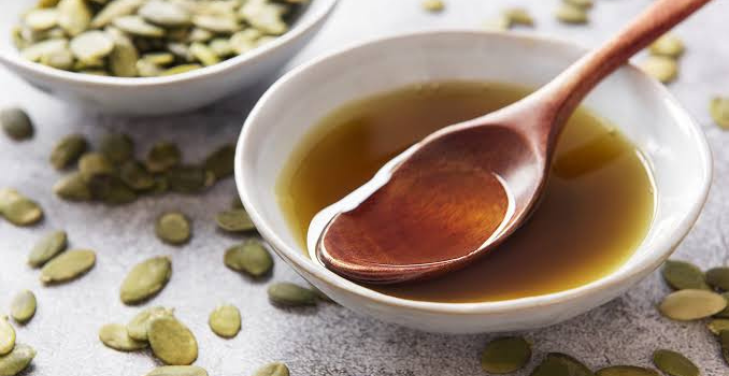
Pumpkin seed extract provides concentrated plant compounds that support overall health and daily wellness naturally.
What Is Pumpkin Seed Extract?
Pumpkin seed extract is a concentrated extract from pumpkin seeds, containing many valuable bioactive plant compounds. This ingredient is commonly found in health supplements because a purification process enhances active ingredient content and makes it convenient for daily use.
Source and Definition
Manufacturers select mature, nutrient-rich pumpkin seeds for extraction. This process yields compounds such as phytosterols, polyphenols, antioxidants, and many other plant-based active ingredients in concentrated form. Each serving provides a stable amount of active ingredients, contributing to long-term health goals.
Common Supplement Forms
Pumpkin seed extract comes in various forms such as capsules, tablets, soluble powder, or liquid solutions. Some products use standardized extracts to maintain consistent active ingredient content across production batches. This variety allows users to easily choose a product that suits their needs and daily habits.
How Is Pumpkin Seed Extract Made?
The process of producing pumpkin seed extract determines the active ingredient content and nutritional value of the finished product. Each step aims to obtain pure plant compounds and maintain product stability.
Extraction Methods
The manufacturer cleans, dries, and grinds pumpkin seeds before extraction. Technology using food-grade solvents or supercritical CO₂ helps to obtain phytosterols, polyphenols, and various antioxidants. The extract then undergoes concentration and purification to enhance the quality of the active ingredients.
Standardization of Active Compounds
The standardization process ensures that each batch of product maintains a stable active ingredient content. The laboratory evaluates the concentration of phytosterols and plant compounds using modern analytical methods, resulting in a consistent and reliable product.
Factors Affecting Product Quality
The quality of raw materials, cultivation conditions, harvesting techniques, extraction technology, and storage processes all affect the value of pumpkin seed extract. High-quality raw materials and a quality control system contribute to a product rich in active ingredients and stable throughout its shelf life.
What Nutrients and Active Compounds Does Pumpkin Seed Extract Contain?
Pumpkin seed extract contains a high concentration of bioactive plant compounds, contributing to its nutritional value and potential health benefits. The composition of the extract depends on the pumpkin variety, raw materials, and production technology, resulting in a rich profile of active compounds.
Phytosterols and Antioxidants
Phytosterols play a prominent role in pumpkin seed extract and participate in many biological processes in the body. Alongside this group of compounds are antioxidants that protect cells from the effects of free radicals, while also supporting tissue function and overall health.
Polyphenols and Other Plant Compounds
The extract also provides polyphenols, flavonoids, and many other bioactive plant compounds. Together, these components create antioxidant activity, support the physiological inflammatory response, help maintain cardiovascular and urinary tract health, and promote the body's functional balance.
Potential Health Benefits of Pumpkin Seed Extract
Pumpkin seed extract has garnered attention due to its high content of phytosterols, polyphenols, and natural antioxidants. Numerous studies continue to evaluate the role of these compounds in supporting physiological functions and enhancing overall health.
Urinary Tract Support
The plant compounds in pumpkin seed extract help maintain healthy urinary tract function. The active ingredients support normal bladder function and promote comfort in daily activities.
Prostate Health
Phytosterols and other bioactive compounds in pumpkin seed extract contribute to maintaining prostate health. Further research continues to explore the mechanisms by which these compounds affect urinary function in older men.
Heart Health
Antioxidants and phytosterols support cardiovascular health by contributing to the maintenance of lipid metabolism and protecting cells from oxidative stress. These effects form the foundation for efficient circulatory system function.
Antioxidant Protection
Polyphenols and antioxidants neutralize free radicals, contributing to the protection of cell structures and supporting healthy aging. The combination of various plant compounds enhances the bioavailability of pumpkin seed extract in long-term health care.
How Does Pumpkin Seed Extract Work in the Body?
After entering the body, pumpkin seed extract releases many bioactive compounds involved in important physiological processes. Phytosterols, polyphenols, and antioxidants work together to affect many tissues and organs, contributing to maintaining balance and supporting long-term health.
Cellular Antioxidant Activity
The antioxidants in pumpkin seed extract help neutralize free radicals and support cell membrane protection. This activity contributes to maintaining cell integrity, promoting tissue function, and supporting the body's natural regeneration process.
Hormon-Related Pathways
Phytosterols help regulate several biological pathways related to hormones. This mechanism contributes to maintaining prostate function, supporting urinary tract health, and facilitating many stable physiological activities.
Overall Wellness Support
The combination of various plant compounds creates a holistic effect on the body. Pumpkin seed extract contributes to supporting the physiological inflammatory response, enhancing antioxidant capacity, and maintaining the healthy functioning of the cardiovascular, urinary, and many other organs.
Who May Benefit From Pumpkin Seed Extract?
Pumpkin seed extract is suitable for many groups of people due to its high content of bioactive plant compounds. Product selection should be based on health goals, nutritional status, and guidance from a healthcare professional to achieve the appropriate results.
Older Adults
Older adults are often concerned about maintaining cardiovascular health, urinary tract health, and antioxidant capacity. Pumpkin seed extract provides phytosterols and other plant compounds that support these functions during healthy aging.
Men Concerned About Prostate Health
Men seeking prostate health can choose pumpkin seed extract as part of a scientifically sound diet. The active compounds in the extract contribute to supporting urinary function and maintaining prostate health over time.
Individuals Seeking Cardiovascular and Antioxidant Support
Those seeking cardiovascular health or enhanced antioxidant capacity may also benefit from pumpkin seed extract. Phytosterols, polyphenols, and antioxidants work together to support physiological balance, protect cells, and contribute to overall health.
Is Pumpkin Seed Extract Safe?
Pumpkin seed extract has a positive safety profile when used by healthy adults as directed by the manufacturer or a healthcare professional. Product quality, dosage, and individual health conditions all influence the user experience and suitability.
General Safety Profile
Many studies have shown that pumpkin seed extract is well tolerated at typical doses. High-quality raw materials, rigorous manufacturing processes, and quality control contribute to its safety during supplementation.
Possible Side Effects
Some individuals may experience bloating, digestive discomfort, or mild changes during adaptation to the product. Choosing the appropriate dosage and following instructions will help the body adapt more easily.
Precautions for Certain Individuals
Pregnant women, breastfeeding mothers, those taking medication, or those preparing for surgery should consult a healthcare professional before supplementing with pumpkin seed extract. Personalized guidance helps you choose the right product and develop a safe usage plan.
How to Choose and Use Pumpkin Seed Extract
Choosing the right product optimizes the value of pumpkin seed extract and enhances its long-term effectiveness. Users should pay attention to the origin of the raw materials, the production process, and the quality of the active ingredients, rather than just focusing on the amount stated on the label.
Standardized Extract and Quality Certifications
Prioritize products using standardized extracts with clearly stated amounts of phytosterols or other active ingredients. Quality certifications from reputable organizations and rigorous testing procedures reflect the reliability and consistency of the product.
Dosage and Storage Recommendations
Users should adhere to the dosage recommended by the manufacturer or healthcare professional to suit their individual health needs. Store the product in a dry place, away from light and high temperatures, to maintain the stability of the active compounds throughout its shelf life.
Conclusion
Pumpkin seed extract provides a concentrated source of phytosterols, polyphenols, and antioxidants, contributing to cardiovascular, urinary tract, prostate, and cellular health. The product's value depends on the quality of the raw materials, the extraction process, and proper usage.
Choosing standardized extracts from reputable brands enhances the stability of the active ingredients. Healthcare professionals provide guidance tailored to individual health needs, nutritional goals, and conditions, helping optimize long-term supplement effectiveness.
Frequently Asked Questions (FAQs)
- Is pumpkin seed extract the same as pumpkin seed oil? – No. Pumpkin seed extract and pumpkin seed oil are different products. Pumpkin seed extract is concentrated to provide specific plant compounds, while pumpkin seed oil primarily supplies healthy fats, vitamin E, and other fat-soluble nutrients. Each has distinct nutritional characteristics and intended uses.
- Can pumpkin seed extract be taken every day? – Many adults use pumpkin seed extract daily according to the product label or the advice of a healthcare professional. Using the recommended dosage consistently can help maintain a steady intake of its bioactive compounds.
- How long does pumpkin seed extract take to work? – The time needed to notice benefits varies depending on individual health goals, diet, lifestyle, and overall health. Regular supplementation over an appropriate period may help the plant compounds provide their intended health-supporting effects.
- Can pumpkin seed extract interact with medications? – Pumpkin seed extract may interact with certain medications in some individuals. Reviewing your medical history, current medications, and supplement use with a healthcare professional can help determine whether it is appropriate for your situation.
- What should you look for when buying pumpkin seed extract? – Choose products that provide standardized extracts, clearly list active ingredient content, disclose ingredient sources, and have recognized quality certifications. These features can help indicate product consistency, quality, and reliability.
