
What properties make Angelica a noteworthy ingredient in traditional medicine? What plant compounds contribute to its potential for digestive support, antioxidant effects, and inflammatory regulation?
With its rich content of essential oils, coumarins, and flavonoids, Angelica has attracted considerable attention in medicinal research. Understanding its uses, applications, side effects, and potential drug interactions provides readers with a scientific perspective on this herb.
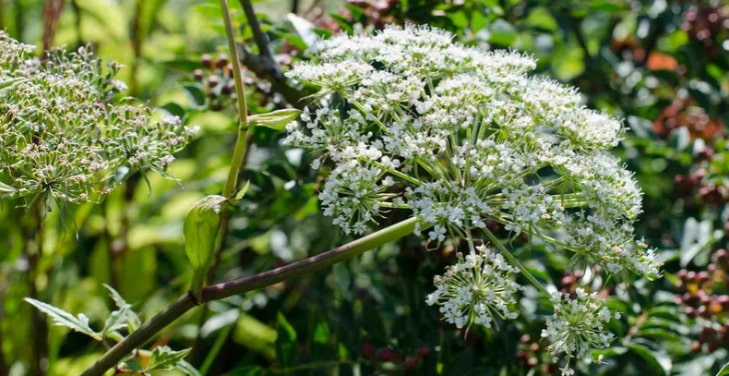
Angelica is a medicinal herb traditionally used in herbal preparations for digestive and respiratory health applications.
What Is Angelica?
Angelica (Angelica archangelica) is an herb in the Apiaceae family, known for its distinctive aroma and long history of use in traditional European medicine. The plant's roots, stems, leaves, and seeds contain many bioactive compounds, contributing to its medicinal and culinary value.
Botanical Characteristics
Angelica is a biennial or perennial herbaceous plant that can grow to about 1–2 meters tall. It has a sturdy, hollow stem, large compound leaves with serrated lobes, and small, greenish-white inflorescences. The roots are strong, with a warm, slightly spicy aroma and a characteristic bitter taste.
Natural Habitat and Distribution
Angelica grows naturally in Northern Europe, Iceland, Greenland, and some areas with cool, humid climates. It is commonly found along rivers, in moist meadows, on hillsides, and in areas rich in organic matter. Temperate climate conditions and stable humidity support the growth and accumulation of essential oils in the plant's parts.
Common Names and Botanical Classification
Angelica is also known as garden angelica, wild celery, or Norwegian angelica. It belongs to the genus Angelica and the family Apiaceae, the same family as celery, carrots, and dill. Angelica root is often used as a main ingredient in herbal preparations, teas, and plant extracts.
Angelica Nutrition and Active Compounds
Angelica contains many bioactive plant compounds, mainly concentrated in the roots, stems, leaves, and seeds. Its chemical composition includes essential oils, coumarins, furanocoumarins, flavonoids, and other secondary metabolites. These compounds contribute to its characteristic aroma and have attracted attention in phytopharmacological research.
Essential Oils and Aromatic Constituents
Angelica essential oil contains volatile compounds such as α-pinene, β-phellandrene, limonene, and sesquiterpenes. These create the warm, slightly spicy aroma characteristic of the root. Essential oil composition varies by plant part, growing conditions, and extraction method.
Coumarins and Furanocoumarins
Angelica provides many coumarin and furanocoumarin derivatives, including bergapten, xanthotoxin, and imperatorin. This group has attracted attention for its biological activity and ability to interact with ultraviolet light.
Flavonoids and Other Bioactive Compounds
Flavonoids and phenolic compounds contribute to angelica's potential antioxidant activity. In addition, the plant contains phytosterols, organic acids, and other plant metabolites, forming a diverse chemical composition relevant to traditional medicinal applications.
Potential Health Benefits of Angelica
Angelica contains numerous bioactive plant compounds, particularly essential oils, coumarins, and flavonoids. These components have attracted research attention for digestive health, antioxidant capacity, and inflammatory response regulation. Potential benefits are currently based primarily on traditional herbal experience and preclinical studies.
Digestive Health Support
The aromatic compounds in angelica root may stimulate digestive juice secretion, support appetite, and promote gastrointestinal activity. Traditional European medicine often uses the root to help relieve bloating, indigestion, and mild abdominal cramps.
Antioxidant Activity
Flavonoids and phenolic compounds in angelica show antioxidant potential by neutralizing free radicals. This activity has attracted attention in research on cellular protection against oxidative stress.
Anti-inflammatory and Respiratory Effects
Several preclinical studies have noted the inflammatory modulation activity of compounds in angelica. This herb also has a history of use in remedies supporting respiratory and circulatory health. Further clinical studies are needed to determine the efficacy and safety of these effects in humans.
Traditional Medicinal Uses of Angelica
Angelica holds an important place in many traditional medicine systems due to its distinctive aroma and diverse range of plant compounds. Historically, practitioners have used the roots, leaves, and seeds to make herbal teas, extracts, and tinctures to aid digestion, reduce menstrual discomfort, and support respiratory health.
Digestive and Gastrointestinal Applications
European traditional medicine uses angelica root to stimulate appetite, aid digestion, and reduce bloating. Root preparations often appear in remedies for indigestion, bloating, and mild intestinal spasms.
Menstrual and Women's Health
In some herbal traditions, angelica supports pelvic circulation and reduces menstrual discomfort. Some preparations are also found in women's health formulas.
Respiratory and Historical Applications
Angelica has been used in folk remedies for colds, coughs, and chills. In Europe, it has also been used in herbal preparations for health protection. These applications reflect the history of folk medicine, with limited clinical evidence currently available.
Common Forms and Uses of Angelica
Angelica appears in many forms and serves purposes in traditional herbal medicine, culinary arts, and fragrance production. Each processing method changes active ingredient concentration, sensory characteristics, and use, from dried plant material to concentrated extracts.
Dried Root and Herbal Tea
Dried or dehydrated Angelica root is often sliced or ground for tea or decoction. Soaking in hot water releases soluble components, creating a beverage with a slightly bitter taste and characteristic aroma.
Liquid Extracts and Tinctures
Liquid extracts and tinctures use water, ethanol, or a solvent mixture to extract plant compounds. The concentration of components depends on the extraction ratio, solvent type, and production process.
Essential Oil and Culinary Uses
Angelica essential oil has a strong aroma and is often found in perfumes and fragrance products. In European cuisine, people can process the stems into jams and candies or use them as a garnish for cakes. The roots and seeds also contribute flavor to some beverages.
How Angelica May Work in the Body
Angelica contains many plant compounds that can participate in biochemical processes in the body. Essential oils, coumarins, furanocoumarins, and flavonoids are of interest due to their potential influence on digestive activity, inflammatory responses, and cellular defense mechanisms. These effects depend on extract composition, active-ingredient concentration, and individual physiological characteristics.
Biological Activity of Aromatic Compounds
Volatile compounds in Angelica essential oil, including α-pinene, limonene, and β-phellandrene, contribute to its characteristic aroma. Several preclinical studies suggest that terpenes may help regulate biological activities related to digestion and inflammatory responses.
Coumarins and Cellular Mechanisms
Coumarins and furanocoumarins can interact with many enzymatic processes and cellular signaling pathways. Some derivatives, such as imperatorin, have attracted attention in research regarding the regulation of inflammatory responses and antioxidant activity.
Digestive and Inflammatory Pathways
Plant compounds in Angelica may influence gastrointestinal activity and cytokine-related signaling pathways. However, much of the current data comes from laboratory and animal studies; further clinical trials are needed to determine the actual effects in humans.
Angelica Side Effects and Potential Risks
Angelica contains essential oils, coumarins, and furanocoumarins with diverse biological activities. This herb may cause adverse reactions, especially at high doses, with concentrated extracts, or with direct contact with essential oils. Risk depends on the preparation form, dosage, and individual sensitivity.
Digestive Discomfort
Some people may experience nausea, abdominal pain, bloating, or gastrointestinal discomfort when using Angelica. High concentrations of essential oils and aromatic compounds may increase the risk of irritation.
Photosensitivity Reactions
Furanocoumarins, particularly bergapten, may increase skin sensitivity to UVA ultraviolet rays. This reaction can cause redness, burning, dermatitis, and hyperpigmentation after sun exposure.
Skin Irritation and Allergic Reactions
Contact with Angelica essential oil may cause irritation, itching, or rashes in people with sensitive skin. Concentrated preparations also increase the risk of adverse reactions when used improperly.
Concentrated Extract Risks
Essential oils and concentrated extracts contain high levels of active ingredients and require strict dosage control. Excessive use may increase the risk of toxicity and unwanted reactions.
Angelica Interactions and Safety Precautions
Angelica contains coumarin, furanocoumarin, and many other bioactive compounds that may interact with medications and affect certain physiological responses. Consider use based on health conditions, medications being taken, and the concentration of active ingredients in each preparation.
Anticoagulant Medication Interactions
Patients using warfarin or other anticoagulants should exercise caution when supplementing with Angelica. Some coumarin components may affect blood clotting and increase bleeding risk. Patients should consult their doctor before use.
Photosensitivity and Medication Considerations
Furanocoumarins, such as bergapten, may increase skin sensitivity to UVA rays. Combining Angelica with medications or products that may cause photosensitivity may increase the risk of skin reactions.
Existing Health Conditions and Long-Term Use
Individuals with liver disease, blood clotting disorders, or a history of herbal allergies should be evaluated before use. Concentrated preparations and long-term supplementation also require careful monitoring of dosage, duration of use, and adverse reactions.
Who Should Avoid Angelica?
Angelica contains bioactive compounds, particularly furanocoumarins and essential oils, which may cause adverse reactions in certain groups. Consider use carefully based on age, health status, photosensitivity, and medications.
Pregnant and Breastfeeding Women
Pregnant women should avoid using Angelica in the form of decoctions, extracts, or supplements due to limited safety data and the risk of affecting uterine contractions. Breastfeeding women should also consult their doctor before use.
Children and Sensitive Individuals
Children and individuals with allergies should use Angelica preparations with caution. Concentrated essential oils may cause skin irritation, allergic reactions, or gastrointestinal discomfort.
People Taking Blood-Thinning Medications
Individuals taking anticoagulants, especially warfarin, should have their risk of interaction assessed by a doctor before supplementing with Angelica. This group should watch for signs of abnormal bleeding.
Individuals with Photosensitivity
People with photosensitivity, photodermatitis, or those taking medications that increase UV sensitivity should avoid preparations with high furanocoumarin content.
Conclusion
Angelica is an herb rich in essential oils, coumarins, flavonoids, and many bioactive plant compounds. These components contribute to its traditional value in supporting digestion, providing antioxidant benefits, and promoting overall health.
However, the risk of photosensitivity, skin irritation, and drug interactions necessitates caution. Choosing the right preparation, managing dosage, and consulting a healthcare professional are crucial for safe, individualized use of Angelica.
Frequently Asked Questions (FAQs)
- What Is Angelica Used For? – Angelica is a traditional herb used to support digestion, relieve bloating, and stimulate appetite. Its roots, leaves, and seeds also appear in herbal preparations intended to support respiratory and women's health, although evidence for these uses varies.
- What Are the Active Compounds in Angelica? – Angelica contains essential oil compounds such as α-pinene and limonene, along with coumarins, furanocoumarins, and flavonoids. These substances contribute to its characteristic aroma and may have antioxidant and inflammation-modulating properties.
- Does Angelica Have Health Benefits? – Angelica may support digestion and provide antioxidant and inflammation-modulating effects through its plant compounds. Several preclinical studies have identified biological activity, while clinical evidence in humans remains limited.
- What Are the Side Effects of Angelica? – Angelica may cause gastrointestinal discomfort, skin irritation, allergic reactions, and increased photosensitivity. Certain furanocoumarins can trigger skin reactions after exposure to UVA light, particularly when plant material or preparations contact the skin.
- Who Should Avoid Taking Angelica? – Pregnant or breastfeeding individuals, children, people taking photosensitizing medications, and those using anticoagulants should exercise caution with Angelica. These groups should consult a healthcare professional before using Angelica preparations because safety and interaction data are limited.
