
L-Theanine can make a noticeable difference to mental well-being and sleep when used at the right dosage. The daily supplement amount determines the level of relaxation, concentration, and long-term health benefits.
Choosing the appropriate dose requires consideration of the intended use, physical condition, timing of consumption, and product quality. Understanding these principles helps build a scientific, safe, and personalized L-theanine supplementation plan.
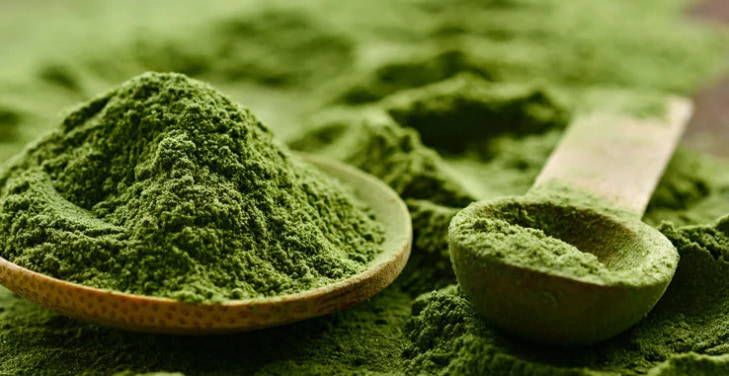
Daily L-theanine intake depends on intended use, dosage, and individual health considerations.
What Is L-Theanine?
L-theanine has garnered attention for its ability to promote relaxation and alertness, support nervous system balance, and enhance mental well-being. This compound occurs naturally in tea leaves and has become a common ingredient in many modern supplements.
Natural Source of L-Theanine
L-theanine is a non-protein amino acid found primarily in green tea, black tea, and some types of mushrooms. During the growth of the tea plant, this compound contributes to the characteristic umami flavor. After absorption, L-theanine quickly enters the bloodstream and is distributed to nerve tissue, forming the basis for many biological effects related to brain function.
How L-Theanine Works in the Body
L-theanine affects many neurotransmitters such as glutamate, GABA, dopamine, and serotonin. This mechanism helps regulate central nervous system activity, promoting relaxation, enhancing concentration, and maintaining alertness. Many studies have also noted that L-theanine increases alpha brain waves, a type of brain activity associated with feelings of calmness, clarity, and efficient information processing.
How Much L-Theanine Can You Take Daily?
The daily dose of L-theanine depends on the user's goals, health characteristics, and individual physiological response. Numerous clinical studies have identified common dosage ranges that optimize effectiveness while maintaining safety during supplementation.
Typical Daily Dosage
Most studies use doses ranging from 100–400 mg per day. Levels of 100–200 mg typically support relaxation, improve concentration, and reduce stress. Levels of 200–400 mg are suitable for goals such as improving sleep quality or maintaining calmness during prolonged periods of stress.
Follow Recommended Serving
Each supplement contains a different amount of L-theanine, so following the manufacturer's instructions helps maintain the appropriate dosage. Users should also consider the total amount of L-theanine obtained from tea, supplements, and combination products to create a balanced supplementation plan that meets their individual health needs.
What Factors Affect the Right Daily Dose?
Each person uniquely responds to L-theanine, so the appropriate dosage is always linked to biological characteristics and health goals. Assessing individual factors helps in choosing the optimal supplemental amount for maximum effectiveness.
Individual Characteristics
Age, weight, metabolic rate, and nervous system sensitivity all affect daily L-theanine requirements. Some people see significant effects at low doses, while others require higher doses to achieve the desired response.
Health Status and Medications
Health status, liver function, kidney function, and chronic diseases contribute to determining the appropriate dosage. Concurrent use of blood pressure medications, sedatives, or supplements that affect the nervous system should also be considered to develop a suitable and safe supplementation plan.
Daily L-Theanine Dosage for Different Goals
The intended use determines the appropriate amount of L-theanine for each stage. Choosing the right dose maximizes biological benefits and provides a consistent experience during daily supplementation.
Stress Management
A dose of 100–200 mg per day typically helps reduce stress, stabilize mood, and maintain relaxation in stressful situations. Many people choose to use it before times requiring calmness and focus.
Sleep Support
A dose of 200–400 mg in the evening helps the body fall asleep more easily, improves rest quality, and increases feelings of freshness upon waking. Many studies have shown significant effects with consistent use.
Focus and Relaxation
Doses of 100–200 mg, especially when combined with caffeine, contribute to increased concentration, improved cognitive performance, and sustained alertness during studying and working, while also creating a feeling of relaxation for several hours.
When Is the Best Time to Take L-Theanine?
The timing of L-theanine use affects your experience and health goals. Choosing the right time helps the active ingredient be most effective in supporting focus, relaxation, or improving sleep quality.
Morning for Focus
Taking 100–200 mg in the morning helps increase alertness and maintain focus for several hours. Many people combine L-theanine with caffeine to create a state of alertness, stabilize mood, and improve work performance.
Evening for Sleep
Using 200–400 mg about 30–60 minutes before bedtime helps the body enter a relaxed state, facilitating deep sleep and a feeling of freshness upon waking.
Flexible Daily Schedule
L-theanine can be taken with or after meals. Some people divide the total dose into two doses per day to maintain a stable concentration and consistently meet their daily needs.
Can You Take Too Much L-Theanine?
L-theanine has a favorable safety profile when used as directed. Very high doses may alter physiological responses in some individuals, so maintaining a reasonable dosage always provides long-term health benefits.
Evidence From Research
Studies in humans have shown that L-theanine is well tolerated at various doses, including high doses in some clinical trials. Most experts still prefer to use it within a widely studied dosage range to optimize efficacy and safety.
Possible Side Effects
Some people may experience mild drowsiness, headache, digestive discomfort, or decreased blood pressure when using large amounts. The severity of these effects depends on individual physiology, dosage, and health status.
Safe Supplementation Practices
Starting with a moderate dose, monitoring your body's response, and adhering to the usage guidelines helps build a safe, consistent, and long-term L-theanine supplementation habit that aligns with your health goals.
Who Should Speak With a Healthcare Professional First?
Several groups require a health assessment before supplementing with L-theanine to determine the appropriate dosage based on their physical condition and treatment plan. Expert advice optimizes effectiveness and enhances safety during use.
Pregnancy and Breastfeeding
A doctor should assess pregnant or breastfeeding women before using L-theanine. Considering the benefits, nutritional needs, and the mother's health status helps develop a suitable supplementation plan.
Medication Users
Individuals taking blood pressure medication, sedatives, or other medications affecting the central nervous system should consult with a healthcare professional to adjust dosages according to their treatment regimen.
Chronic Health Conditions and Children
Individuals with chronic illnesses, children, and adolescents should seek professional advice before supplementation. A comprehensive assessment of health status, medications being used, and care goals helps select the appropriate L-theanine dose for each individual.
How to Choose a High-Quality L-Theanine Supplement
Product quality determines the effectiveness of supplementation and the level of peace of mind during use. Choosing the right supplement ensures stable active ingredient content, high purity, and long-term usability.
Third-Party Testing
Products with third-party testing certifications offer high reliability in terms of content, purity, and manufacturing quality. Standards such as GMP and independent testing results help users evaluate products more objectively.
Ingredient Transparency
Product labels should clearly state the L-theanine content per serving, a list of ingredients, and the source of raw materials. Transparent formulations help users choose the right dosage to suit their health goals.
Dosage and Storage
Supplements containing 100–200 mg per serving offer flexibility in adjusting daily dosages. Store the product in a cool, dry place away from strong light to maintain the quality of the active ingredients throughout its shelf life.
Tips for Safe and Effective Daily Use
Proper usage habits help L-theanine maintain its effectiveness over the long term. A scientifically designed supplementation plan combined with a healthy lifestyle provides a solid foundation for mental and physical health.
Start Gradually
Begin with a dose of 100–200 mg per day to allow the body to adapt and help assess individual response. After the initial phase, users can adjust the dose according to their goals and the guidance of a healthcare professional.
Maintain Consistent Timing
Maintaining a consistent daily timing of use contributes to stable L-theanine levels in the body. Monitoring feelings of focus, relaxation, or sleep quality also helps optimize the supplementation plan.
Support With Healthy Habits
L-theanine is more effective when combined with a balanced diet, regular exercise, sufficient sleep, and stress management. These habits together create a favorable environment for nervous system function and overall health.
Conclusion
L-theanine offers numerous benefits for relaxation, sleep, and concentration when used in appropriate doses. Choosing a quality product, maintaining a consistent supplementation schedule, and monitoring your body's response will optimize its effectiveness.
Each individual has unique needs and physiological characteristics, so supplementation plans should be tailored to individual health goals. Consultation with healthcare professionals helps establish safe, scientifically sound, and sustainable dosages for each stage of life.
Frequently Asked Questions (FAQs)
- What is the appropriate daily dose of L-theanine in mg? – Most studies suggest a daily intake of 100–400 mg of L-theanine. The appropriate dosage depends on the intended purpose, such as relaxation, sleep support, or cognitive performance, and should be tailored to individual needs and professional guidance.
- Can L-theanine be taken daily for an extended period? – Many studies indicate that L-theanine has a good safety profile when used daily at recommended doses. Choosing a high-quality product, maintaining a consistent routine, and monitoring your body's response can support long-term use.
- Should L-theanine be taken in the morning or evening? – The timing depends on your health goals. Morning use may support focus and alertness, while evening use may help promote relaxation and support sleep quality. Selecting the right time can enhance the overall effectiveness of supplementation.
- Can L-theanine be taken with coffee? – L-theanine is often combined with caffeine to support alertness, improve concentration, and promote a balanced mental state. Some research suggests that this combination may enhance cognitive performance during tasks that require focus.
- Who should consult a doctor before taking L-theanine? – Pregnant or breastfeeding women, children, individuals with chronic health conditions, and those taking medications should consult a healthcare professional before using L-theanine. Personalized evaluation helps determine safe and appropriate use.
