
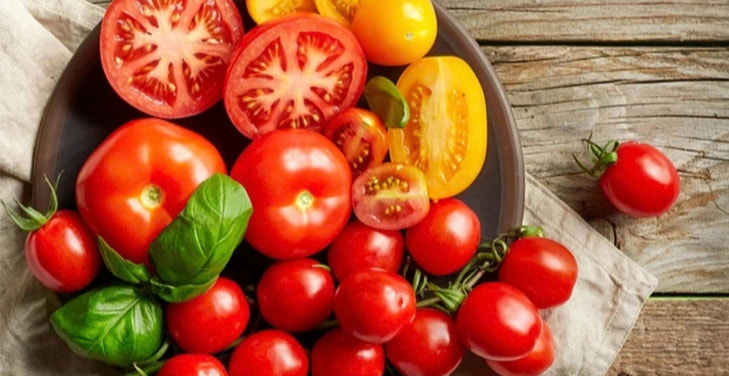
A noteworthy health revelation: lycopene can accumulate in the body when intake increases, especially through concentrated supplements. This carotenoid gives tomatoes, watermelons, and many plant-based foods their characteristic red color.
Lycopene possesses antioxidant activity and has received attention in nutritional research. Appropriate intake helps manage tolerance, digestive health, and carotenoid-related skin pigmentation changes.
Excessive lycopene supplementation may cause digestive discomfort and skin discoloration in some sensitive individuals.
What Is Lycopene?
Lycopene is a carotenoid in the group of plant pigments that give many fruits and vegetables their characteristic red color. This compound possesses antioxidant activity and occurs naturally in many common foods.
Natural Sources of Lycopene
Tomatoes are a prominent source of lycopene, especially in products such as tomato juice, tomato sauce, and tomato concentrate. Watermelon, pink grapefruit, pink guava, and some other red fruits also provide lycopene.
Dietary Lycopene and Supplements
Lycopene from food comes with fiber, vitamins, minerals, and many other plant compounds. Processed tomato products can provide lycopene with better absorption because heat treatment and fat improve absorption. Lycopene supplements provide a more concentrated amount, often appearing in capsule or softgel form.
Common Side Effects of Lycopene
Lycopene is generally well tolerated when taken from food and at appropriate supplement levels. Some people may experience gastrointestinal reactions, especially when using products containing concentrated lycopene.
Digestive Discomfort
High amounts of supplemental lycopene may cause bloating, abdominal discomfort, or changes in bowel movements. Each person's digestive system reacts to carotenoids differently, so the amount and timing of use can affect tolerance.
Nausea and Diarrhea
Some people may experience nausea, loose stools, or diarrhea when using high amounts of lycopene. These symptoms are often related to gastrointestinal tolerance and the supplement's other ingredients.
Individual Tolerance
Response depends on dosage, diet, and individual characteristics. Following the portion sizes on the label helps control how much lycopene you consume.
Lycopene and Skin Discoloration
Lycopene is a carotenoid, so high levels can accumulate in the body and change skin color. This phenomenon is often associated with the long-term use of large amounts of carotenoid-rich foods or supplements.
Lycopenemia and Carotenoid Accumulation
Lycopenemia describes a condition in which blood lycopene levels are elevated, and pigment accumulates in tissues. This condition can cause a yellow-orange or red-orange coloration of the skin, especially in areas with a thick stratum corneum, such as the palms and soles of the feet.
Recognizing Skin Color Changes
Skin color changes usually develop gradually and reflect carotenoid accumulation. The color gradually returns over time as carotenoid levels in the body decrease. Assessing lycopene intake from both food and supplements helps identify the primary source of carotenoids.
Risks of High-Dose Lycopene Supplements
Concentrated lycopene supplements provide a significant amount of carotenoids per serving. Prolonged use of high doses may increase the risk of intolerance reactions and carotenoid accumulation in the body.
Concentrated Lycopene Intake
Supplements often contain more lycopene than a typical food serving. Large amounts may cause digestive discomfort, bloating, nausea, or changes in bowel movements in sensitive individuals.
Dietary Intake and Supplementation
Lycopene from tomatoes, watermelon, and other carotenoid-rich foods is often combined with other phytonutrients. Dietary supplements allow concentrated lycopene to enter the body quickly. Following the label serving size helps control total daily intake.
Choosing an Appropriate Dose
Users should consider each product's lycopene content and the total amount of carotenoids from other sources. A healthcare professional can help select an appropriate dose based on diet, medications, and supplementation goals.
Lycopene and Blood Pressure Considerations
Lycopene has gained attention in cardiovascular research due to its antioxidant activity and ability to support vascular function. Several studies have noted a link between lycopene intake and blood pressure readings, particularly in individuals with high blood pressure.
Lycopene and Blood Pressure
Lycopene may support the body's antioxidant environment and help maintain endothelial function. Studies on lycopene supplementation show that its effect on blood pressure depends on dosage, duration of use, and individual characteristics.
Antihypertensive Medication Considerations
Individuals taking antihypertensive medication should monitor their blood pressure when supplementing with concentrated lycopene. Because multiple factors can affect blood pressure, a healthcare professional should monitor the combination.
Monitoring Blood Pressure
Regular blood pressure monitoring helps identify changes while using supplements. Users should provide a complete list of medications and supplements to a healthcare professional for interaction assessment and appropriate dosage selection.
Lycopene and Medication Interactions
Lycopene may require consideration when patients are taking prescription medications, over-the-counter medications, and various supplements. In particular, lycopene concentrates can deliver high amounts of the active ingredient per serving, so evaluating the full regimen helps manage potential interactions.
Potential Drug Interactions
Some experimental data suggest lycopene may affect drug metabolism and antioxidant activity. The extent of interaction depends on the medication type, lycopene dose, and individual metabolic characteristics.
Blood Pressure Medications
Patients taking blood pressure medication should monitor their blood pressure regularly when supplementing with high doses of lycopene. A healthcare professional can assess overall medication use, dosage, and treatment goals before adding lycopene concentrates to the daily regimen.
Multiple Antioxidant Supplements
Combining lycopene with multiple carotenoids or other antioxidants increases the total amount of active ingredients in the supplement. Users should provide a complete list of products to a healthcare professional to determine the appropriate use.
Lycopene and Digestive Health
Lycopene can affect the digestive system when consumed in large amounts, especially through concentrated supplements. Tolerance depends on the amount used, the product's composition, and the individual's digestive characteristics.
Gastrointestinal Effects
High amounts of lycopene may cause bloating, abdominal discomfort, nausea, or changes in bowel movements. Some people may experience loose stools or diarrhea when using large amounts in a short period.
Digestive Tolerance
The body may respond better when users adhere to appropriate portion sizes and maintain a balanced diet. Drinking enough water, distributing the supplement appropriately, and taking the product with meals as directed on the label can support tolerability.
Managing Digestive Symptoms
Individuals experiencing persistent digestive symptoms should consider their total lycopene intake from food and supplements. Healthcare professionals can evaluate serving sizes, product ingredients, and related factors to determine appropriate usage.
People Who Should Use Caution With Lycopene Supplements
Some groups of people should use lycopene supplements with caution, especially concentrated products. Assessing current medications, nutritional status, and total carotenoid intake helps you choose the right supplementation approach.
People Taking Medications
People taking daily medications should consult a healthcare professional before using high doses of lycopene. Providing the full names, dosages, and supplements helps the professional assess the risk of potential interactions.
People With Digestive Sensitivity
People with sensitive digestive systems may experience bloating, nausea, or changes in bowel movements when taking concentrated lycopene. Starting with an appropriate diet helps the body adapt better.
Pregnancy and Breastfeeding
Pregnant and breastfeeding women should prioritize lycopene sources from foods such as tomatoes, watermelon, and pink grapefruit. High-dose supplements require consultation with a healthcare professional to consider nutritional needs and safety levels.
Food Sources vs. Lycopene Supplements
Lycopene occurs naturally in many red and pink foods and is also present in concentrated supplements. Choosing the right source depends on your diet, nutritional needs, and goals.
Tomatoes and Tomato-Based Foods
Tomatoes, tomato juice, tomato sauce, and tomato concentrate provide significant amounts of lycopene. The heat and fat in meals can help the body absorb lycopene more effectively.
Other Dietary Sources
Watermelon, pink grapefruit, pink guava, and some other red fruits provide lycopene along with vitamins, minerals, fiber, and other plant compounds. These foods help diversify carotenoid sources in the diet.
Lycopene Supplements
Lycopene capsules or softgels provide a concentrated dose of the active ingredient, making portion control easier. Consumers should consider the label information and the total amount of carotenoids they get from their daily diet.
How to Use Lycopene More Safely
Proper lycopene use focuses on food sources, appropriate serving sizes, and supplement quality. This approach helps control total daily carotenoid intake and supports the body's tolerance.
Choose Reputable Supplements
Choose products with clear origins, complete ingredient labels, and specific usage instructions. Checking the lycopene content per serving helps determine the appropriate supplement amount.
Follow Recommended Serving Sizes
Adhering to the manufacturer's recommended serving sizes helps control the amount of concentrated lycopene. Users should also consider the lycopene obtained from tomatoes, watermelon, pink grapefruit, and other carotenoid-rich foods.
Prioritize Dietary Sources
Tomatoes and tomato products provide lycopene along with fiber, vitamins, minerals, and many plant compounds. A varied diet provides a strong nutritional foundation and supports proper lycopene utilization.
Conclusion
Lycopene is an antioxidant carotenoid abundant in tomatoes, watermelon, pink grapefruit, and many red foods. Adequate lycopene intake supports dietary diversity and overall health.
When using supplements, watch portion sizes, digestive tolerance, changes in skin color, and any medications you're taking. Prioritizing food sources and a balanced diet helps control daily lycopene intake appropriately.
Frequently Asked Questions (FAQs)
- Can Lycopene Cause Side Effects? – Lycopene can cause digestive discomfort in some people, especially at high supplement doses. Symptoms may include bloating, nausea, abdominal pain, loose stools, or diarrhea, depending on individual tolerance.
- Can Too Much Lycopene Change Skin Color? – High amounts of lycopene can contribute to lycopenemia, causing the skin to appear yellow-orange or red-orange due to carotenoid accumulation in tissues. This effect is often associated with absorbing large amounts of lycopene over a prolonged period.
- Can Lycopene Affect Blood Pressure? – Lycopene may affect blood pressure through mechanisms related to oxidative stress and vascular function. People taking blood pressure medication should monitor their blood pressure and consult with a healthcare professional.
- Who Should Use Caution With Lycopene Supplements? – People who take medication regularly, have sensitive digestive systems, use multiple antioxidant products, or are pregnant or breastfeeding should consult a healthcare professional before using lycopene supplements.
- Are Lycopene Supplements Safe for Daily Use? – Lycopene may be suitable for daily use when users follow the labeled serving size and consider their total dietary intake. Choosing a quality product and maintaining a diverse diet can help control overall lycopene consumption.
