
Few people know that hops contain many valuable bioactive plant compounds that contribute to nerve relaxation, improved sleep quality, and maintaining the body's balance. This value makes hops a sought-after ingredient in many modern health care products.
Understanding the appropriate daily amount of hops helps optimize their effectiveness and develop a scientifically sound supplementation plan. Choosing the right dosage, a quality formulation, and the right time to use them forms a solid foundation for safely and sustainably harnessing the benefits of hops.
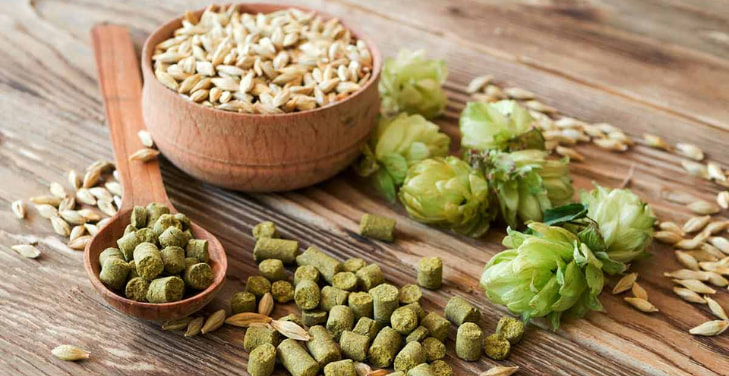
Hops supplements are commonly used to support relaxation and healthy sleep when appropriately dosed.
What Are Hops?
Hops are the female inflorescence of the Humulus lupulus plant, and have long been present in modern herbal medicine and nutrition. The value of hops stems from their rich array of plant compounds, which can support relaxation, sleep, and nervous system balance through various biological mechanisms.
Origin and Traditional Uses
Hops originated in Europe and Western Asia, then spread to many temperate regions of the world. Traditional medicine recognizes hops in herbal remedies to support mental relaxation, improve sleep quality, and promote a sense of well-being after prolonged stress.
Active Compounds in Hops
Hops contain many bioactive compounds such as humulone, lupulone, xanthohumol, and potent flavonoids. These components help regulate oxidative reactions, influence central nervous system activity, and contribute to the biological value of interest in nutritional research.
Common Supplement Forms
Hops are available in various forms such as capsules, tablets, liquid extracts, herbal teas, and formulations combined with melatonin or valerian. Each formulation provides different levels of active ingredients, allowing for the selection of products suitable for health care goals and daily supplementation needs.
How Much Hops Per Day Is Generally Recommended?
The appropriate hop dosage depends on the formulation, active ingredient content, and intended use. Clinical studies and manufacturer guidelines typically select standardized dosage ranges to support relaxation or improve sleep quality. Understanding the actual content in each product helps in developing an accurate supplementation plan.
Typical Dosage Ranges
Many studies use hop extract in the range of 100–500 mg per day, depending on the active ingredient concentration and health goals. Some formulations combined with other herbs use lower doses to create synergistic effects and maintain good tolerability.
Differences Between Extracts, Capsules, and Teas
Concentrated extracts provide a stable amount of active ingredients, and capsules allow for precise dosage control. At the same time, hop teas offer varying amounts of natural compounds depending on the ingredients, brewing time, and brewing method. Each form is suited to different needs and lifestyles.
Why Supplement Strengths Vary
Each product uses its own extraction process, concentration ratio, and standardization of active ingredients. The content of xanthohumol, alpha acids, or flavonoids determines the strength of the preparation. Carefully reading the product label helps in choosing the appropriate supplement dose according to the manufacturer's recommendations and health care goals.
What Factors Affect the Right Daily Amount?
Several physiological factors and the characteristics of each product determine the appropriate hop dosage. The same amount of supplement can produce different responses depending on physical condition, health goals, and active ingredient content. A comprehensive assessment of these factors helps develop a rational and consistent usage plan.
Individual Characteristics
Age, body weight, metabolic rate, and health status directly affect the need for hops. The sensitivity of the nervous system also determines the intensity of the response after supplementation. Individuals aiming to improve sleep, relaxation, or overall health often need to choose a dosage that suits their actual needs.
Supplement Concentration and Formulation
Each preparation contains a specific amount of active ingredient and extraction ratio, resulting in different biological values. Standardized extracts help to clearly determine the amount of active ingredient and support more accurate dosage control. Carefully reading product labels, serving sizes, and usage instructions helps in choosing the appropriate supplement amount for your long-term health care plan.
Daily Hops Intake for Different Health Goals
Health goals guide the appropriate hop dosage for each case. The need for relaxation, improved sleep, or overall health support is linked to a specific supplementation plan. Choosing the right dosage helps maximize the bioavailability of the active compounds and lays the foundation for long-term use.
Relaxation and Stress Management
Many people choose low to medium doses to support relaxation after periods of high-intensity work. The compounds in hops help promote nervous system balance, providing a feeling of well-being and improving mental recovery in daily life.
Sleep Support
Improving sleep often involves using the dosage recommended by each product, combined with evening supplementation. This method facilitates relaxation before bedtime and helps maintain a physiological sleep cycle.
General Wellness Applications
Many supplements aimed at overall well-being select moderate amounts of hops to maintain nervous system stability and enhance feelings of relaxation. A suitable usage plan, combined with a balanced diet, exercise, and rest, optimizes the supplement's effectiveness over the long term.
When Is the Best Time to Take Hops?
The timing of hop consumption affects absorption and health goals. Choosing the right time frame helps the active ingredients exert their biological effects consistently and provides convenience for daily supplementation. A consistent usage schedule also contributes to long-term effectiveness.
Daytime Versus Evening Use
Those aiming to improve sleep often use hops 30–60 minutes before bedtime to support natural relaxation. Those supplementing for overall health can choose a fixed time of day according to the product's instructions to maintain regularity.
Taking Hops with Meals
Many hop preparations are suitable for use with or immediately after meals. This method is gentle on the digestive system and helps establish a consistent supplementation habit. Users should take hops at the same time each day to build a consistent schedule.
Combining Hops with Other Calming Supplements
Hops is often found in formulas combined with valerian, lemon balm, or melatonin to support relaxation and improve sleep quality. Adhering to the dosage indicated on the product label helps balance the total amount of active ingredients and optimize the supplement's effectiveness.
Can You Take Too Much Hops?
Hops provide value when used in the correct dosage and in accordance with health goals. Excessive amounts increase the intensity of the bioactive compounds on the body and affect tolerance. Adhering to usage instructions helps maintain effectiveness and improve safety during supplementation.
Possible Effects of Excessive Intake
Excessive hop intake can cause prolonged drowsiness, reduced alertness, dizziness, or difficulty concentrating. Some people may also experience headaches, fatigue, or gastrointestinal discomfort when using large amounts in a short period.
Importance of Following Recommended Dosages
Each preparation contains a specific amount of active ingredient, so the dosage should adhere to the instructions on the label or the recommendations of a healthcare professional. A proper supplementation plan helps maintain stable levels of the active ingredient, optimizes bioactive benefits, and lays the foundation for long-term use.
Who Should Talk to a Healthcare Professional First?
Several groups of people need to have their health status assessed before supplementing with hops to develop an appropriate usage plan. Consulting with a professional helps determine the dosage, duration of use, and monitoring of the body's response based on health characteristics and related factors.
People with Chronic Medical Conditions
Individuals managing liver disease, kidney disease, endocrine disorders, cardiovascular disease, or other chronic health conditions should consult with a healthcare professional before using hops. A comprehensive assessment helps select the appropriate product and develop a supplementation plan that meets health care goals.
Individuals Using Prescription Medications
Individuals using sedatives, sleep aids, anticoagulants, or other medications that affect the central nervous system need to be reviewed by a healthcare professional before supplementing with hops. Reviewing the entire treatment regimen helps adjust the dosage appropriately and improve safety during use.
Pregnancy and Breastfeeding
Pregnant or breastfeeding women should seek medical advice before choosing products containing hops. A healthcare professional will consider their nutritional needs, physiological characteristics, and health goals to provide appropriate usage guidelines for each stage.
Tips for Choosing a Quality Hops Supplement
Product quality determines the value of a hops supplement. A standard preparation provides a consistent active ingredient content, a clear source of raw materials, and a rigorous manufacturing process. Careful selection optimizes effectiveness and enhances product reliability.
Look for Standardized Extracts
Standardized extracts help to clearly define the active ingredient content in each serving. Information on extraction ratios or compounds such as xanthohumol and alpha acids reflects the consistency of the product, thereby supporting more accurate dosage control.
Check Quality Certifications
Products certified with standards such as GMP, third-party testing, or international quality standards demonstrate a rigorous manufacturing process. These certifications help ensure the purity, consistency, and stability of each production batch.
Review of Ingredient Transparency
The product label clearly shows the origin of the ingredients, the active ingredients, the amount per serving, and the instructions for use. This transparent information helps users assess product quality, choose a product that suits their health goals, and develop an effective supplementation plan.
Food and Beverage Sources of Hops
Hops are found in many foods and beverages and are also used as a herbal ingredient. The content of active compounds varies depending on the processing method and intended use. Understanding the sources helps you choose the right supplement to meet your health needs.
Herbal Teas
Hop tea uses dried hop cones brewed with hot water, creating a beverage rich in plant compounds such as flavonoids and polyphenols. Many people choose this tea in the evening to promote relaxation and build a daily health routine.
Beer and Brewing Ingredients
Hops play a role in creating the characteristic aroma, bitterness, and preservation during beer production. The fermentation and processing methods affect the remaining active compound content in the finished product; therefore, the nutritional value of beer does not reflect the equivalent active compound content of hop-based supplements.
Dietary Supplements
Capsules, tablets, liquid extracts, and soluble powders provide standardized doses of the active ingredient, allowing for clear portion control. Many formulations also combine hops with valerian, lemon balm, or chamomile to support relaxation and improve sleep quality according to the intended use.
Conclusion
Hops offer many benefits in supporting relaxation, improving sleep, and caring for neurological health when used correctly. Choosing quality products, adhering to appropriate dosages, and maintaining a regular supplementation schedule optimizes the biological effectiveness of the active ingredients.
Prioritize products with clear origins, standardized extracts, and transparent usage instructions. Building a balanced diet, maintaining regular exercise and rest, and consulting a healthcare professional when needed will create a solid foundation for effectively and sustainably harnessing the benefits of hops.
Frequently Asked Questions (FAQs)
- Can hops be used daily? – Hops may be suitable for daily use when taken according to the product label or the guidance of a healthcare professional. Consistent use at the recommended dosage can help maintain steady intake of its bioactive compounds and support long-term wellness goals.
- Does drinking hop tea every day provide benefits? – Hop tea contains naturally occurring plant compounds and is commonly consumed to promote relaxation, especially in the evening. Drinking it in moderation as part of a healthy lifestyle may help support its intended benefits.
- Can hops be combined with other herbs? – Hops are often combined with herbs such as valerian, lemon balm, or chamomile in products formulated to support relaxation and sleep. Following the manufacturer's instructions or guidance from a healthcare professional can help ensure appropriate use.
- How long does it take for hops to show effects? – The time needed to notice the effects of hops depends on the intended purpose, dosage, product form, and individual response. Some people experience relaxation within a short period, while longer-term wellness goals may require consistent use over time.
- Should you choose hop tea or supplements? – Hop tea is a popular option for daily relaxation, while supplements provide standardized amounts of active compounds and more precise dosing. The best choice depends on your health goals, personal preferences, and the quality of the product.
