
Metabolic health is receiving increasing attention, as diet profoundly influences blood glucose, weight, and daily energy intake. Choosing foods rich in plant compounds, along with appropriate fat sources, can help build a balanced nutritional foundation.
Ceylon cinnamon and MCT oil are attracting attention due to their polyphenols, cinnamaldehyde, and medium-chain triglycerides. This combination opens up many avenues for application in beverages, portion control, and metabolic nutrition.
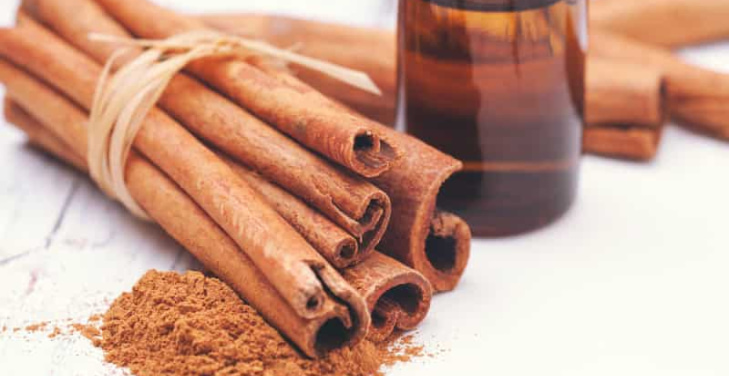
Ceylon cinnamon blended with MCT oil offers a flavorful combination for everyday nutrition and wellness.
What Is Ceylon Cinnamon With MCT Oil?
Ceylon cinnamon combined with MCT oil forms a nutritious blend rich in plant compounds and medium-chain fatty acids. This combination is commonly found in beverages, nutritional formulas, and products supporting a healthy lifestyle.
Definition of Ceylon Cinnamon and MCT Oil
Ceylon cinnamon (Cinnamomum verum) is Sri Lankan cinnamon containing cinnamaldehyde, polyphenols, and many natural aromatic compounds. MCT oil provides medium-chain triglycerides, primarily caprylic acid (C8) and capric acid (C10), which are quickly metabolized by the body into an energy source.
Common Uses of This Combination
Users often mix Ceylon cinnamon powder with MCT oil in coffee, smoothies, or dishes. This mixture creates a distinctive flavor while adding readily available fats and antioxidant compounds from cinnamon.
Culinary and Supplemental Forms
Ceylon cinnamon is available in powder, cinnamon sticks, and capsules. MCT oil is commonly found as a liquid oil or as an ingredient in supplements. Each form is suited to its own intended use and nutritional goals.
Nutritional Profile of Ceylon Cinnamon and MCT Oil
Ceylon cinnamon and MCT oil provide two groups of nutrients with distinct biological properties, creating a formula rich in plant compounds and easily metabolized lipids.
Key Compounds in Ceylon Cinnamon
Ceylon cinnamon contains cinnamaldehyde, polyphenols, and many natural aromatic compounds. Polyphenols contribute to its antioxidant activity, while cinnamaldehyde creates its characteristic aroma and participates in many studied biological mechanisms.
Medium-Chain Triglycerides in MCT Oil
MCT oil concentrates medium-chain triglycerides, particularly caprylic acid (C8) and capric acid (C10). These fatty acids undergo rapid digestion and transport, thus providing a convenient energy source for the body.
How Their Nutritional Properties Complement Each Other
Ceylon cinnamon supplements plant compounds, while MCT oil provides energy-rich lipids. This combination creates a versatile blend for coffee, smoothies, and everyday nutritional recipes.
Potential Benefits of Combining Ceylon Cinnamon with MCT Oil
Combining Ceylon cinnamon with MCT oil creates a formula rich in polyphenols and medium-chain fatty acids, opening up several noteworthy nutritional support possibilities.
Antioxidant and Anti-Inflammatory Properties
Ceylon cinnamon provides cinnamaldehyde and other polyphenols with antioxidant activity. These compounds help the body control oxidative stress and maintain balance in physiological inflammatory processes.
Energy and Metabolic Support
MCT oil provides caprylic acid and capric acid, medium-chain fatty acids that the body quickly metabolizes into energy. This lipid source is suitable for nutritional formulas aimed at stable energy and flexible metabolism.
Potential Blood Sugar Support
The compounds in Ceylon cinnamon may support glucose utilization and insulin response. MCT oil contributes to energy from fat, making it a high-energy option for a balanced diet.
Ceylon Cinnamon with MCT Oil for Blood Sugar
Ceylon cinnamon and MCT oil influence energy metabolism in unique biological ways, making them a noteworthy topic for those concerned with blood sugar control.
Cinnamon and Glucose Metabolism
Ceylon cinnamon provides polyphenols and cinnamaldehyde, compounds involved in glucose-related mechanisms. Many meta-analyses have shown that cinnamon may support reduced fasting glucose and improve several markers of blood sugar control.
MCT Oil and Energy Metabolism
MCT oil provides medium-chain fatty acids, offering a rapid energy source through hepatic metabolism. This ingredient is suitable for diets that control total carbohydrate intake and prioritize fat-based energy sources.
Considerations for Blood Glucose Monitoring
Those monitoring blood sugar should consider this blend as a supplementary nutritional component in their overall diet. Cinnamon has the potential to support glucose control, while current evidence has not established the specific benefits of the Ceylon cinnamon and MCT oil combination formula.
Ceylon Cinnamon with MCT Oil for Weight Management
Ceylon cinnamon and MCT oil may support several aspects of weight management through energy metabolism, satiety, and nutritional regulation.
MCT Oil and Satiety
MCT oil provides medium-chain triglycerides, which are quickly used for energy. A meta-analysis noted that MCTs may reduce energy intake under several study conditions, opening up the potential to support portion control.
Cinnamon and Weight Management
Cinnamon contains polyphenols and bioactive compounds involved in glucose and lipid metabolism. Several meta-analyses in humans have noted that cinnamon supplementation is associated with slight weight and BMI reductions.
Calorie Considerations
MCT oil still provides significant energy, so the amount used should be aligned with total daily calorie needs. Incorporating a moderate amount into coffee, smoothies, or meals can add fat and cinnamon flavor to a balanced diet.
How to Use Ceylon Cinnamon With MCT Oil
Ceylon cinnamon combined with MCT oil is suitable for many daily nutritional recipes, especially when users control portion sizes and total energy intake.
Coffee and Smoothie Applications
You can stir about ½ teaspoon of Ceylon cinnamon powder with a small amount of MCT oil into warm coffee. Smoothies also work well with this mixture, adding yogurt, berries, or protein sources to create a balanced recipe.
Suggested Ways to Combine the Ingredients
MCT oil blends well with drinks, sauces, and soft dishes. Ceylon cinnamon adds a warm, rich aroma, giving recipes depth and versatility.
Start With Small Amounts
MCT oil can cause bloating, stomach pain, or diarrhea when consumed in large amounts. Start with about 1 teaspoon at a time to allow your body to adjust, then adjust according to your tolerance and total fat intake.
Ceylon Cinnamon Powder vs. Capsules With MCT Oil
Ceylon cinnamon comes in various forms, each offering a unique nutritional experience and dose control. When combined with MCT oil, the choice between powder and capsules depends on your goals and daily habits.
Culinary Powder and Supplement Forms
Ceylon cinnamon powder is suitable for coffee, smoothies, porridge, and many dishes. This form provides direct flavor and allows for flexible dose adjustments. Capsules provide a pre-measured dose of cinnamon, convenient for regular supplementation schedules.
Convenience and Dosage Considerations
Capsules offer quick and easy handling, portability, and portion control. Powder offers more options for combining with MCT oil, especially in beverages or food recipes.
Choosing the Appropriate Format
Those prioritizing flexibility may choose Ceylon cinnamon powder. Those needing convenience and consistent dosage may choose capsules. MCT oil is typically used alone in liquid form, depending on the product formulation.
Potential Side Effects and Safety Considerations
Ceylon cinnamon with MCT oil is suitable for many nutritional formulations when used in appropriate amounts. Each ingredient still has its own safety points to consider.
Digestive Discomfort
MCT oil may cause bloating, abdominal cramps, or diarrhea when consumed in large quantities. The body adapts better when users start with small portions and gradually increase the intake according to tolerance.
Cinnamon Sensitivity and Intake
Ceylon cinnamon contains very low levels of coumarin and provides many natural aromatic compounds. High amounts of cinnamon over a long period may cause digestive discomfort or allergic reactions in some people.
Medication and Health Considerations
People taking diabetes medication should monitor their blood sugar and consult with a healthcare professional before supplementing with cinnamon. People with liver disease, pregnant women, or those taking medication regularly should also seek professional advice before using high supplemental amounts.
How to Choose Quality Ceylon Cinnamon and MCT Oil
The quality of the ingredients determines the purity, flavor, and nutritional value of a blend of Ceylon cinnamon and MCT oil. Several clear criteria help in choosing the right product.
Identifying Authentic Ceylon Cinnamon
Prioritize products that clearly state the botanical name (Cinnamomum verum), origin, and testing information. Cinnamon powder has a light brown color, a mild aroma, a characteristic warm taste, and a smooth texture.
Checking MCT Oil Quality
High-quality MCT oil usually clearly states the oil source, fatty acid ratio, and composition on the label. Formulas containing C8 and C10 meet many nutritional needs.
Avoid Unnecessary Additives
Prioritize short, transparent, and easily verifiable ingredient lists. Independent testing certifications, batch information, and storage standards enhance reliability when making a choice.
Conclusion
Ceylon cinnamon combined with MCT oil creates a nutritious option rich in polyphenols and medium-chain fatty acids. This blend may support energy metabolism, metabolic health, and weight management in a balanced diet.
Appropriate use begins with small amounts, prioritizing pure ingredients, and monitoring tolerance. Individuals taking medication or with specific health conditions should consult a healthcare professional before regular supplementation.
Frequently Asked Questions (FAQs)
- Can you take Ceylon cinnamon with MCT oil every day? – Ceylon cinnamon with MCT oil can be used daily in appropriate portions. Start with small amounts to assess tolerance to MCT oil and choose pure, quality-tested products.
- Does Ceylon cinnamon with MCT oil help blood sugar? – Ceylon cinnamon contains polyphenols and cinnamaldehyde involved in glucose metabolism, while MCT oil provides energy from fat. The combination can support metabolic nutrition.
- Does Ceylon cinnamon with MCT oil help with weight loss? – MCT oil may promote satiety and provide a readily available energy source, while Ceylon cinnamon contains compounds associated with glucose and lipid metabolism.
- How should you use Ceylon cinnamon with MCT oil? – Stir Ceylon cinnamon and a small amount of MCT oil into coffee, smoothies, or meals. Start with a small portion and adjust gradually according to digestive tolerance.
- What should you consider when choosing Ceylon cinnamon and MCT oil? – Choose Ceylon cinnamon labeled Cinnamomum verum with transparent sourcing and quality testing. Select MCT oil that identifies its C8 and C10 content and manufacturing information.
