
Bed bugs continue to attract attention amid the increasing popularity of travel, accommodation, and movement between spaces. Trips, shared living, and the trading of used furniture create further opportunities for these insects to spread.
Luggage, clothing, mattresses, and personal items can introduce bed bugs into homes. Identifying the source of infestation, transmission routes, and environmental factors helps in proactive prevention, early detection, and risk control.
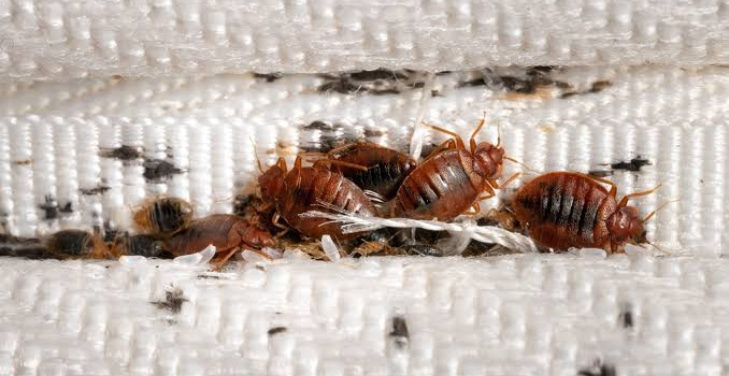
Bed bugs often enter homes through luggage, clothing, furniture, and other personal belongings.
What Are Bed Bugs?
Bed bugs are small, blood-sucking parasitic insects that are most active at night. They are very well-hidden in living environments, especially around sleeping areas.
Definition and Common Species
Bed bugs belong to the genus Cimex, with Cimex lectularius being the most common species in many parts of the world. Adult bodies are flattened, oval-shaped, reddish-brown, and about 4–7 mm long. Bed bugs use specialized proboscises to suck blood for nutrition.
Life Cycle and Physical Features
Bed bugs go through egg, nymph, and adult stages. Females lay eggs in hidden locations, and the nymphs undergo several molts to develop. Each stage requires a suitable blood source for growth.
Why Bed Bugs Favor Sleeping Areas
Beds provide a convenient food source and numerous narrow crevices for bed bugs to hide. Body heat, carbon dioxide, and body odor help bed bugs locate humans.
Where Do Bed Bugs Come From Naturally?
Bed bugs have an evolutionary history closely linked to humans and their habitats. They thrive in spaces that provide a stable blood supply, suitable temperatures, and many secluded places to hide.
Evolution and Historical Association
Bed bugs of the genus Cimex have an evolutionary history associated with mammalian and bat hosts. Over time, some populations adapted to humans, utilizing living spaces and resting areas as favorable environments for survival.
Natural and Indoor Habitats
Bed bugs can survive in animal nests, rock crevices, and other secluded places near their hosts. When approaching homes, they seek shelter in beds, chairs, furniture, and small crevices. Stable temperatures and a regular food source support their life cycle.
Adaptation to Human Environments
The ability to hide in confined spaces allows bed bugs to maintain long-term populations in their living spaces. They move around using objects, luggage, and furniture, thereby expanding their range of habitats across various environments.
How Do Bed Bugs Enter Your Home?
Bed bugs often enter homes through items that move between different spaces. Luggage, clothing, furniture, and adjacent areas can all provide access to new living spaces.
Luggage and Travel Belongings
Suitcases, bags, and travel luggage create many hidden crevices for bed bugs to hide in. After a stay at a hotel or crowded place, bed bugs can return home on these items. Placing luggage near the bed allows them quick access to the resting area.
Used Furniture and Clothing
Used beds, sofas, mattresses, clothing, and decorative items can carry bed bugs or eggs. Seams, gaps, and the underside of items provide convenient hiding places.
Shared Walls and Adjacent Spaces
In multi-apartment homes, bed bugs can move through gaps in walls, pipes, electrical outlets, and spaces between adjacent areas.
What Attracts Bed Bugs to Homes?
Bed bugs seek out spaces that provide a stable blood supply, a suitable temperature, and many hiding places. Bedrooms provide favorable biological signals that help bed bugs locate humans and remain active for extended periods.
Human Body Heat and Carbon Dioxide
Body heat and carbon dioxide from breath create signals that help bed bugs locate their host. When humans rest, these signals concentrate around the bed, mattress, and sleeping area.
Blood as a Food Source
Human blood provides essential nutrients for adult bed bugs and supports the development of their larvae. Bed bugs use specialized mouthparts to access the skin and quickly feed on blood.
Why Bedrooms Provide Favorable Conditions
Bedrooms maintain relatively stable temperatures, have many narrow spaces, and are frequently occupied by humans for extended periods. Mattresses, bed frames, headboards, and other furniture create numerous shelters near food sources.
How Bed Bugs Spread From Place to Place
Bed bugs spread by hiding in belongings and traveling with people across various environments. This process often involves accommodations, transportation, and personal items that come into contact with many spaces.
Hotels, Apartments, and Dormitories
Hotels, apartments, and dormitories provide many opportunities for bed bugs to access their hosts. Luggage, clothing, and personal belongings help them move between rooms, floors, or accommodations.
Public Transportation and Shared Environments
Seats, luggage, and surfaces with many crevices on public transportation can provide temporary shelter for bed bugs. Theaters, waiting rooms, offices, and common areas also provide opportunities for bed bugs to come into contact with personal belongings.
Movement Through Personal Belongings
Suitcases, backpacks, bags, clothing, and bedding can carry adult bed bugs, nymphs, or eggs. When these items enter a new environment, bed bugs can find their way to hidden places near where people rest.
Can Bed Bugs Come From Pets?
Bed bugs primarily seek out humans for blood and can come into contact with pets in the same living space. Dogs, cats, and other pets often indirectly transport bed bugs through the environment and their belongings.
Bed Bugs and Fleas
Bed bugs and fleas belong to different insect groups, with distinct biological characteristics. Fleas typically live and move on hosts such as dogs and cats, while bed bugs congregate in mattresses, bed frames, sofas, and crevices.
How Pets Can Carry Bed Bugs Indirectly
Bed bugs can cling to blankets, bedding, carriers, or other items around pets. When these items move between areas, they create opportunities for bed bugs to reach new environments. Bed bugs can also reside near where pets rest.
Common Pet-Related Misconceptions
Many people associate the presence of bed bugs with pets because they find the insects around their pet's area. Morphological characteristics, hiding places, and types of skin lesions help distinguish bed bugs from fleas and other parasites.
How Fast Can a Bed Bug Infestation Spread?
Bed bugs can increase their population relatively quickly when the environment provides a suitable blood supply, temperature, and shelter. The rate of spread depends on the initial number of bugs, living conditions, and the degree of access between spaces.
Reproduction and Egg Development
Female bugs can lay eggs after mating and continue to reproduce under favorable conditions. Eggs usually hatch after about one to two weeks, after which the larvae go through several developmental stages to adulthood.
Factors Influencing Population Growth
A regular food source, suitable temperature, and many hiding places help the population maintain its reproductive cycle. Bedrooms that are frequently used create a favorable environment for this process.
Early Signs of an Expanding Infestation
Early signs include small, dark-colored fecal spots, eggs, molted shells, and blood spots on bedding. Itchy bites that appear in clusters or along areas of skin contact during sleep can also suggest bed bug activity.
Where Do Bed Bugs Hide During the Day?
During the day, bed bugs typically seek out dark, secluded, and undisturbed locations. Their ability to hide in small crevices allows them to maintain proximity to food sources and facilitates their activity at night.
Mattress Seams and Bed Frames
Mattress seams, fabric edges, bed frame joints, and the underside of beds provide ideal hiding places. Bed bugs may congregate in small groups in areas near sleepers.
Cracks, Furniture, and Wall Spaces
Bed bugs also hide in wall crevices, cabinet legs, sofas, headboards, drawers, and furniture joints. Narrow spaces around electrical outlets, baseboards, or floors can create pathways between areas.
Signs of Hidden Bed Bug Activity
Dark brown fecal matter, small off-white eggs, molted shells, and bloodstains on bedding can indicate where bed bugs are hiding. A distinctive odor emerges when the population reaches high density.
How to Prevent Bed Bugs From Entering Your Home
Bed bug prevention focuses on thoroughly inspecting items that could potentially bring bed bugs from the outside environment into your home. Proper handling of luggage, clothing, and personal items significantly reduces the chances of infestation.
Travel Inspection and Luggage Precautions
After a trip, carefully inspect the seams, zippers, and compartments of your suitcase. Place your luggage on a shelf away from the bed during your stay. Upon returning home, keep your suitcase in an easily accessible area and clean surfaces and crevices.
Checking Secondhand Furniture
Thoroughly inspect used mattresses, beds, sofas, cabinets, and furniture before bringing them home. Pay attention to seams, undersides, and hidden corners where bed bugs and eggs may hide.
Washing and Heat-Drying Clothing
Wash your clothes after a trip and use a dryer on the appropriate temperature for a sufficient amount of time. The heat from the dryer helps kill bed bugs at various stages of development and limits their ability to enter living areas through clothing.
What to Do If You Find Bed Bugs
Early detection of bed bugs helps control the population and limit its spread to other areas. Systematic action, thorough inspection, and proper treatment lay the foundation for effective control.
Confirming an Infestation
Check for characteristic signs such as live bed bugs, eggs, molted shells, dark fecal spots, and blood spots on bedding. Collect insect samples in a sealed container for accurate professional identification.
Immediate Steps to Limit Spread
Limit moving mattresses, furniture, and clothing between rooms. Place clothing, bedding, and washable items in sealed bags, then wash and dry at appropriate temperatures. Thoroughly clean crevices, seams, and areas around the bed.
When Professional Pest Control May Be Needed
Professional pest control services are suitable if the bed bug population is widespread or keeps reappearing after initial treatment. Experts can identify the extent of the infestation and develop treatment procedures tailored to each area.
Conclusion
Bed bugs typically enter homes through luggage, clothing, furniture, and personal items. They can also move between adjacent spaces, especially in multi-apartment environments.
Checking luggage after travel, heat-treating clothing, inspecting used items, and detecting bed bugs early can reduce the risk of infestation.
When bed bugs are detected, early treatment and systematic control measures help limit their spread.
Frequently Asked Questions (FAQs)
- Where do bed bugs usually come from? – Bed bugs have an evolutionary history associated with mammalian and bat hosts. Some species later adapted to human environments, where they found stable access to blood meals.
- How do bed bugs enter a home? – Bed bugs commonly enter homes through luggage, clothing, bags, mattresses, and used furniture. They can also move through wall cracks, pipes, electrical outlets, and gaps between neighboring units.
- What attracts bed bugs to bedrooms? – Body heat, carbon dioxide from breathing, and access to blood attract bed bugs to sleeping areas. Beds, mattresses, and nearby furniture also provide narrow spaces where they can hide and reproduce.
- Can pets bring bed bugs into the house? – Pets can have indirect contact with bed bugs through bedding, blankets, carriers, and household items. Bed bugs generally gather around areas where people rest, while fleas commonly infest pets directly.
- How can you prevent bed bugs from spreading? – Inspect luggage after travel, heat-treat clothing, and carefully examine used furniture before bringing it indoors. Isolating suspected items and treating infestations promptly can limit spread.
