
Raw milk has always sparked much discussion in the fields of nutrition and food safety. Some people appreciate its natural properties and inherent biological composition, while scientists continue to research its effects on human health.
What makes raw milk so appealing? The answer lies in the combination of its nutritional value, production process, microbial risks, and ever-expanding scientific evidence, helping individuals make informed choices.
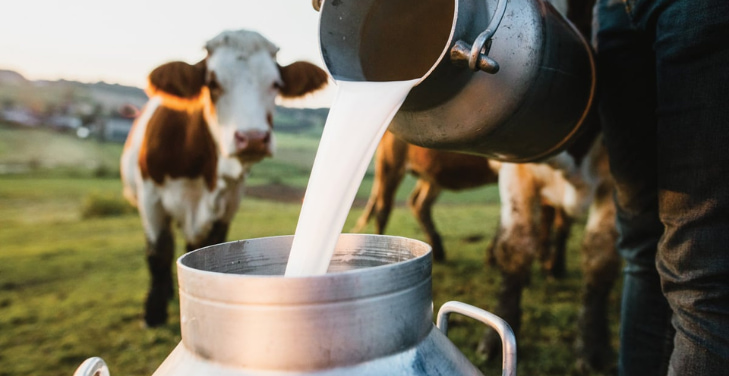
Fresh raw milk requires careful handling to reduce contamination and foodborne illness risks.
What Is Raw Milk?
Raw milk is milk obtained directly from animals and remains in its natural state after milking. This type of milk contains all the components inherent in fresh milk and attracts the attention of many who prefer minimally processed foods.
Definition and Characteristics
Raw milk has not undergone pasteurization or heat sterilization. Its composition includes water, protein, fat, carbohydrates, vitamins, minerals, and many naturally occurring enzymes and microorganisms. The quality of raw milk depends on the health of the animals, farming conditions, and harvesting process.
Common Animal Sources
Dairy cows are the most common source of raw milk in the world. Besides that, goat, sheep, and buffalo milk are also used in many regions, each with its own characteristics in terms of flavor, fat content, and nutritional composition.
How Is Raw Milk Produced?
The raw milk production process begins right on the farm and requires strict control at every stage. The quality of the milk depends on the health of the animals, hygiene conditions, and the ability to maintain a continuous cold chain from milking to distribution.
Milking and Collection
Milking takes place manually or using an automatic milking system after the udders are cleaned. The milk flows directly into specialized storage tanks to minimize impurities and maintain raw material quality from the moment of harvest.
Storage and Transportation
Raw milk is rapidly cooled to approximately 4°C immediately after harvesting to slow the growth of microorganisms. A continuous cold transport system helps maintain the quality and freshness of the milk throughout the distribution process.
Farm Hygiene
The hygiene of the barns, milking equipment, water sources, and the health of the livestock determine the safety of the raw milk. Strict control procedures at the farm help reduce the risk of microbial contamination and improve product quality.
Nutritional Profile of Raw Milk
Raw milk provides many essential nutrients for the body's functions. Nutritional composition varies depending on the animal breed, diet, season, and farming conditions, resulting in diversity in nutritional value among different milk sources.
Macronutrients and Micronutrients
Raw milk contains high-quality protein, fat, lactose, and many vitamins and minerals such as calcium, phosphorus, potassium, vitamin A, vitamin B12, and riboflavin. These components contribute to bone structure, muscle function, blood formation, and energy metabolism.
Natural Enzymes and Microorganisms
Raw milk also contains natural enzymes and microorganisms inherent in fresh milk. This component gives raw milk its unique characteristics and attracts attention in many studies on food quality and the natural microbial flora of milk.
Potential Health Benefits of Raw Milk
Raw milk attracts attention because it retains its natural state after harvesting and contains many of the biological components inherent in fresh milk. Some commonly cited benefits stem from user experience, and research is ongoing to clarify its health value.
Digestive Support
Some people believe that raw milk provides a pleasant digestive experience due to the presence of enzymes and natural microorganisms. These hypotheses have fueled numerous studies on the link between fresh food and gut health.
Nutrient Density
Raw milk provides complete protein, fats, vitamins, and minerals in their natural structure. Its rich nutritional composition helps meet energy needs, supports muscle mass maintenance, and contributes to bone health.
Current Research
Current research continues to evaluate the role of raw milk in the immune, digestive, and metabolic systems. Scientific findings are expanding our understanding of this food type and laying the foundation for evidence-based nutritional recommendations.
Health Risks Associated With Raw Milk
Raw milk can carry pathogenic microorganisms that develop during milking, storage, or transportation. The level of risk depends on farm hygiene, animal health, and the ability to maintain the cold chain from production to consumer.
Harmful Bacteria
Raw milk may contain bacteria such as Salmonella, Escherichia coli, Listeria monocytogenes, and Campylobacter. These agents cause various foodborne illnesses ranging from mild to severe, especially when bacterial numbers increase under poor storage conditions.
Symptoms and Complications
Infected individuals often experience abdominal pain, diarrhea, nausea, vomiting, and fever. Some cases can progress to dehydration, sepsis, kidney damage, or neurological complications. Early symptom recognition and timely treatment improve healthcare outcomes.
Who Should Avoid Drinking Raw Milk?
Some population groups are at higher risk of serious complications from exposure to pathogenic bacteria in raw milk. The characteristics of their immune system, physiological stage, and body's resistance determine their sensitivity to infectious agents from food.
Infants and Young Children
Infants and young children have developing immune and digestive systems. Bacteria in raw milk can cause acute diarrhea, dehydration, and other serious complications, so this age group should prioritize dairy products that meet food safety standards.
Pregnant Women
Pregnant women need to choose foods with a high level of safety to protect the health of both mother and fetus. Some bacteria in raw milk can affect pregnancy and increase the risk of obstetric complications.
Older Adults and Immunocompromised Individuals
Older adults and those with weakened immune systems are more susceptible to severe complications from foodborne illnesses. Choosing safely processed milk can reduce the risk of infection and protect their long-term health.
Is Raw Milk Legal and Safe?
Regulations for raw milk vary between countries and regions. Many regulatory bodies develop policies based on food safety standards, farming conditions, and epidemiological surveillance data to protect public health.
Regulations in Different Regions
Some countries allow the sale of raw milk under specific conditions regarding inspection, labeling, and distribution, while many others apply stricter regulations. Consumers should research local regulations before choosing a product.
Farm Hygiene and Consumer Handling
Farm hygiene, animal health control, and continuous cold storage contribute to the quality of raw milk. Consumers should maintain appropriate storage temperatures, use the milk within the recommended timeframe, and minimize disruptions to the cold chain to ensure food safety.
Raw Milk vs. Pasteurized Milk
Both raw and pasteurized milk provide protein, fat, carbohydrates, vitamins, and essential minerals. The main differences lie in post-harvest processing, microbiological safety levels, and shelf life, which influence consumer choices.
Safety and Nutrition
Pasteurized milk undergoes heat treatment to significantly reduce pathogenic microorganisms, while raw milk retains its natural microflora and enzymes. The nutritional value of both types of milk is generally similar in terms of key nutrients such as protein, calcium, vitamin B12, and phosphorus.
Taste and Shelf Life
Raw milk typically has a fresher taste that varies depending on the breed of animal, diet, and season. Pasteurized milk has more consistent quality and a longer shelf life, making it easier to transport, distribute, and use in daily life.
Conclusion
Raw milk offers natural nutrients and many biological components inherent in fresh milk, but it also comes with food safety considerations that need careful attention. Understanding the characteristics of this type of milk helps individuals make choices that suit their needs and health conditions.
Decisions to use raw milk should be based on scientific evidence, product quality, and guidance from health authorities. A cautious approach helps protect health and reduce the risk of foodborne illness.
Frequently Asked Questions (FAQs)
- Can raw milk naturally contain harmful bacteria? – Yes. Raw milk may naturally contain bacteria such as Salmonella, Escherichia coli, Listeria monocytogenes, and Campylobacter. The likelihood of contamination depends on animal health, farm sanitation, milking practices, and storage conditions after collection.
- Does raw milk have more nutrients than pasteurized milk? – Raw and pasteurized milk both provide valuable nutrients, including protein, calcium, vitamins, and minerals. Overall nutritional differences are generally small, while pasteurization is primarily intended to reduce the risk of foodborne illness by eliminating harmful microorganisms.
- How should raw milk be stored safely? – Raw milk should be stored continuously at 4°C (39°F) or below in a clean, sealed container. Maintaining refrigeration, minimizing exposure to contaminants, and consuming it within the recommended storage period help preserve quality and reduce microbial growth.
- Can freezing raw milk improve its safety? – Freezing can extend the shelf life of raw milk and slow the growth of many microorganisms, but it does not eliminate bacteria already present. Safe production practices and proper refrigeration remain essential for reducing food safety risks.
- Why do some people choose raw milk? – Some people choose raw milk because they prefer its natural flavor, minimal processing, and the naturally occurring enzymes and microorganisms it contains. Decisions about consuming raw milk should consider both potential benefits and food safety risks, along with current public health recommendations.
