
Black mold indoors can affect air quality and respiratory health, especially when the environment remains highly humid for extended periods. Mold spores are airborne and can come into contact with skin, eyes, or the respiratory tract.
Mold control should focus on removing the affected area, properly treating materials, and controlling moisture sources. Repairing leaks, improving ventilation, and maintaining stable humidity levels help protect the living environment.
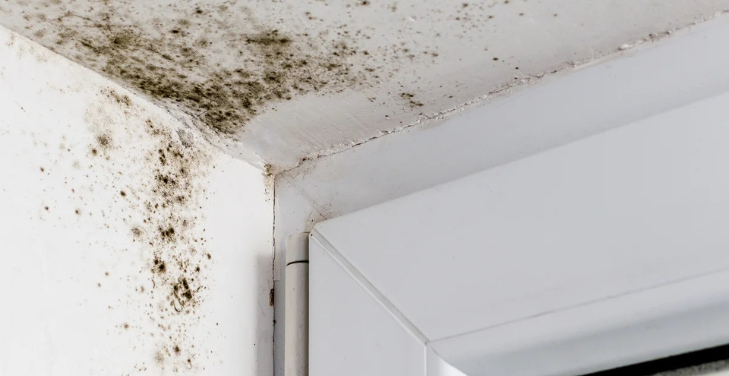
Proper mold removal and moisture control help eliminate black mold and prevent regrowth.
What Is Black Mold?
Black mold is a group of fungi that grow on damp, organic-rich surfaces and often appear in poorly ventilated areas. Indoor environments with prolonged humidity create favorable conditions for fungal spores to grow, spread, and disperse into the air.
Definition of Black Mold
The term "black mold" usually describes dark-colored fungi, particularly Stachybotrys chartarum. This fungus can grow on cellulose-containing materials such as paper, wood, cardboard, and drywall when exposed to suitable humidity.
Common Indoor Mold Species
Stachybotrys chartarum belongs to the group of molds commonly found in humid environments. Many other fungi also produce black, dark green, or dark brown colonies, so color only provides an initial indication of the presence of the fungus.
Why Mold Identification Matters
Identifying the type of fungus helps in selecting the appropriate treatment method based on the material and the level of contamination. Simultaneously assessing the moisture source, extent of growth, and surface condition helps develop a safe mold removal plan, control recurrence, and protect indoor air quality.
Can Black Mold Be Killed Permanently?
Long-term control of black mold requires a comprehensive approach that combines removing the source of contamination with humidity control. The final effectiveness depends on the mold-contaminated material, the extent of spread, and surrounding environmental conditions.
Killing Mold vs. Removing Contamination
Treatments can reduce or kill mold growth on surfaces. Removing contaminated materials helps remove mold carcasses, debris, and sources of contamination from living spaces, thereby improving indoor environmental quality.
Moisture Control and Long-Term Results
Humidity plays a central role in the likelihood of recurrence. Repairing leaky pipes, addressing water seepage, increasing ventilation, and maintaining appropriate indoor humidity levels help limit conditions favorable for mold regrowth.
Role of Mold Spores
Mold spores exist naturally in the environment and can be dispersed through the air. Thorough cleaning, dust control, and maintaining dry surfaces help reduce spore buildup, contributing to a clean and stable indoor environment.
What Kills Black Mold Effectively?
Effective black mold treatment requires a combination of cleaning methods tailored to each surface's characteristics. The main goals include eliminating mold growth, collecting mold-contaminated materials, and controlling humidity conditions in the area.
Cleaning and Removal Methods
Hard, nonporous surfaces are generally suitable for cleaning with detergent and water, followed by thorough drying. Personnel may use specialized products according to label instructions to aid in mold control.
EPA-Registered Mold Products
EPA-registered mold treatment products may provide specific instructions regarding surface type, contact time, and protective measures. Strict adherence to product labels increases treatment effectiveness and reduces the risk of chemical exposure.
Material-Specific Treatment
The material dictates the treatment approach. Glass, metal, and tile often allow for direct cleaning, while drywall, carpet, and porous materials can trap moisture, debris, and fungal hyphae deep inside, requiring thorough assessment and specialized treatment.
Does Bleach Kill Black Mold?
Bleach can kill many types of mold on some hard, nonporous surfaces when the correct concentration and contact time are followed as directed. Effectiveness depends on the material type, the level of contamination, and the humidity conditions in the area.
When Bleach May Be Appropriate
Bleach is suitable for some hard surfaces such as tile, glass, and similar materials. Users should clean up dirt beforehand, ensure good ventilation, and follow the product's safety instructions throughout the treatment process.
Limitations on Porous Materials
Porous materials such as drywall, carpet, and unfinished wood have structures that trap moisture deep within. Mold can grow in these layers of material, making treatment require careful assessment and sometimes removal of the contaminated area.
Safe Handling and Ventilation
Bleach produces fumes that irritate the eyes, skin, and respiratory tract. The person handling bleach should wear gloves, protect their eyes, ensure adequate ventilation, and absolutely avoid mixing bleach with ammonia or other cleaning agents to minimize the risk of dangerous chemical reactions.
Other Products That Can Remove Black Mold
Several household and specialized products help clean mold from suitable surfaces. Product selection should be based on the material, level of contamination, and usage instructions to ensure safe and effective treatment.
Detergent and Water
Soap or detergent and water are suitable for many hard, nonporous surfaces. Scrubbing removes mold, dirt, and organic residue, then thoroughly dry the cleaned area to minimize conditions favorable for mold growth.
Commercial Mold Removal Products
Specialized mold removal products may contain active ingredients that help clean or control mold on surfaces specified by the manufacturer. Users should carefully read the label, exposure time, ventilation requirements, and protective equipment before use.
Chemical Mixing Hazards
Mixing cleaning chemicals can create toxic fumes or dangerous chemical reactions. Users should follow the product instructions and maintain adequate ventilation in the processing area.
How to Remove Black Mold From Different Surfaces
The method for treating black mold needs to be appropriate for the structure and moisture retention of each material. The correct process helps eliminate the source of infection, limit spore spread, and help maintain a clean, dry surface.
Hard, Nonporous Surfaces
Glass, metal, ceramic tiles, and some plastic surfaces can often be cleaned directly. The person treating the surface can use a suitable cleaning agent, scrub the affected area, and then dry it completely.
Porous Materials
Drywall, carpets, and porous materials can retain water, organic debris, and fungal structures. Deeply mold-contaminated materials often require professional assessment to determine the extent of cleaning or replacement.
Disposal of Contaminated Materials
Severely mold-contaminated materials need to be carefully collected, properly packaged, and removed from living areas. The dismantling process should minimize dust and the spread of spores to adjacent spaces.
How to Prevent Black Mold from Coming Back
Controlling humidity is crucial to preventing black mold from recurring in your home. A dry, well-ventilated environment and timely water treatment help maintain stable living conditions.
Fix Leaks and Water Damage
Leaky pipes, water-damaged roofs, and areas previously affected by flooding should be inspected regularly. Promptly repairing water sources, drying materials, and replacing damaged parts helps reduce the risk of prolonged moisture buildup.
Control Indoor Humidity
Indoor humidity should be maintained below 60%, with levels around 30–50% generally suitable for humidity control. Dehumidifiers, air conditioners, and humidity meters help maintain a stable environment.
Improve Ventilation
Ventilation fans in bathrooms, kitchens, and moisture-prone areas help remove humidity. Increasing air circulation, reducing condensation on windows, and drying damp surfaces help to limit the conditions favorable for mold growth.
When Should You Hire a Mold Remediation Professional?
A mold remediation professional provides an in-depth assessment when the infestation exceeds the capabilities of conventional methods. The decision to hire a professional depends on the extent of mold growth, the source of water, the location of the infestation, and the condition of the living space.
Large or Extensive Mold Growth
Large mold areas require a professional assessment and spread control process. A professional can identify the extent of the infestation, establish control zones, and select appropriate cleaning methods.
Hidden Mold and Water Damage
Persistent damp odors, blistering walls, water stains, and deeply damp materials may suggest the mold source is behind walls, under floors, or in the ventilation system. A professional will use appropriate testing methods to determine the location and extent of the infestation.
Vulnerable Household Members
Families with young children, elderly individuals, or those with respiratory illnesses prioritize a clean living environment and strict mold control. Professional services help reduce spore dispersal during treatment and support the restoration of a safer environment.
Common Mistakes That Allow Black Mold to Return
Black mold can recur when treatment focuses on the visible areas without addressing the underlying environmental conditions. Errors in cleaning, humidity control, and material handling increase the risk of reinfection indoors.
Cleaning Mold Without Addressing Moisture
Cleaning the surface removes mold growth at the point of contact. Leaking water, condensation, or high humidity still provide favorable conditions for mold to continue growing. Repairing the moisture source should be done in conjunction with cleaning.
Disturbing Contaminated Materials Improperly
Cutting, scrubbing, or dismantling mold-contaminated materials can release spores into the air. Workers must control dust, isolate the area, and use appropriate protective equipment during the process.
Relying on Surface Treatments Alone
Surface treatment solutions help control mold at the point of contact. Porous materials contaminated with deep-seated debris, damp wall cavities, or water-retaining substrates require careful assessment to determine a comprehensive treatment plan.
How Long Does Black Mold Take to Regrow?
Black mold can quickly regrow if the treated area remains at low humidity, has water sources, or has poor ventilation. The time it takes for regrowth depends on humidity levels, temperature, materials, and the amount of spores present in the environment.
Factors Affecting Mold Regrowth
High humidity, standing water, leaks, and organic materials create favorable conditions for mold spores to grow. Indoor temperatures and moisture buildup in drywall, wood, or carpets also affect the rate of new colony formation.
Keeping Affected Areas Dry
Maintaining dry areas helps control the mold's growth cycle. Using dehumidifiers, increasing ventilation, repairing leaks, and drying materials quickly reduces the conditions conducive to regrowth.
Signs of Failed Remediation
Persistent musty odors, recurring discoloration, damp surfaces, and respiratory irritation symptoms may suggest an incomplete remediation. Reassessing the source of the moisture and the extent of the contamination will help determine the next remediation step.
Conclusion
Effective black mold removal requires a process tailored to the material type, contamination level, and spatial conditions. Surface cleaning helps reduce existing sources of mold, while treating deeply contaminated materials supports overall contamination control.
Moisture control plays a central role in limiting recurrence. Repairing leaks, increasing ventilation, maintaining appropriate humidity, and promptly addressing water issues help maintain a dry environment.
When contamination is widespread or hidden moisture sources are present, professional remediation services offer safer assessment and treatment solutions.
Frequently Asked Questions (FAQs)
- What kills black mold permanently? – Long-term mold control requires removing visible mold, addressing contaminated materials, and eliminating moisture sources. Repairing leaks, reducing condensation, improving ventilation, and keeping materials dry help prevent regrowth.
- Does bleach kill black mold? – Bleach can kill mold on some hard, nonporous surfaces when used correctly. Use adequate ventilation and protective equipment, and never mix bleach with other cleaning chemicals.
- Can black mold grow back after cleaning? – Mold can regrow when moisture problems persist, including high humidity, leaks, or poor ventilation. Repairing moisture sources, drying materials, and maintaining appropriate indoor humidity help reduce recurrence.
- How do you remove black mold from drywall? – Moldy drywall should be assessed based on moisture penetration and contamination extent. Materials with extensive or deep mold growth may require removal using dust control, spore containment, and appropriate respiratory protection.
- When should you hire mold remediation professionals? – Professional remediation is appropriate for widespread mold, contamination following significant water damage, or growth in difficult-to-access areas. Professionals can assess moisture sources and select suitable remediation methods.
