
Nicotine enters the bloodstream rapidly and directly affects the brain, nervous system, and reward system. The rate of absorption varies depending on the product and method of use.
The body metabolizes nicotine primarily in the liver, producing cotinine and several other metabolites. Nicotine levels decrease rapidly within a few hours, while cotinine persists longer and serves as an important marker for exposure assessment.
Detection time depends on the sample type, nicotine dose, frequency of use, age, genetics, and individual metabolism rate.
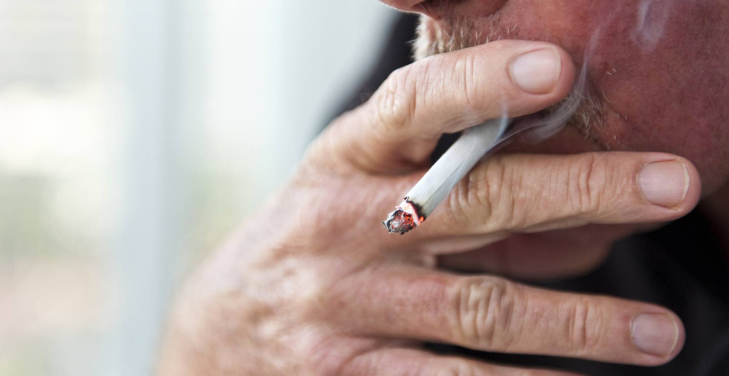
Nicotine leaves the body gradually, while its metabolites may remain detectable for longer periods.
What Is Nicotine?
Nicotine is a naturally occurring alkaloid found primarily in tobacco plants. It quickly enters the bloodstream and strongly affects the central nervous system.
A Naturally Occurring Compound
Tobacco plants produce nicotine as a natural protective compound. Humans receive nicotine through cigarettes, e-cigarettes, heated tobacco products, nicotine pouches, and some nicotine replacement products.
Effects on the Brain and Nervous System
Nicotine binds to nicotinic acetylcholine receptors in the brain, stimulating dopamine release and producing feelings of euphoria, alertness, and focus. This activity boosts the reward system and creates a need for repeat use.
Common Sources of Exposure
Tobacco smoke, aerosols, and nicotine-containing products deliver the active ingredient to the body at varying rates. The amount of nicotine absorbed depends on the product, method of use, and frequency of exposure.
How Does the Body Process Nicotine?
After entering the body, nicotine is rapidly distributed through the bloodstream and reaches many tissues, especially the brain. The body processes this compound through a continuous process of absorption, metabolism, and excretion.
Absorption Into the Bloodstream
Nicotine enters the bloodstream through the lungs, oral mucosa, or skin, depending on the product used. The rate of absorption varies depending on the route of administration, nicotine concentration, and method of use. The blood transports nicotine to the brain quickly, producing characteristic neurological effects.
Liver Metabolism
The liver plays a central role in nicotine metabolism. Enzymes, particularly CYP2A6, convert nicotine into cotinine and many other metabolites. Cotinine has a longer retention time and becomes an important marker in nicotine exposure testing.
Elimination From the Body
The kidneys filter metabolites from the blood and excrete them in the urine. The body also eliminates some nicotine through other biological fluids, while metabolism continues to reduce nicotine levels over time.
How Long Does Nicotine Stay in Your System?
Nicotine remains in the body for a relatively short time after the last use. The rate of elimination depends on metabolism, dose intake, and individual biological characteristics.
Typical Nicotine Clearance Timeline
Nicotine has a half-life of approximately 2 hours in plasma. Nicotine concentrations decrease rapidly after absorption, while the body continues to metabolize the remaining nicotine via the liver and excrete metabolites via the kidneys.
Why Nicotine Leaves Relatively Quickly
The enzyme CYP2A6 in the liver metabolizes most nicotine into cotinine. This process causes nicotine levels in the blood to decrease rapidly and produces metabolites with longer circulation times.
Why Metabolites Remain Longer
Cotinine has a half-life of approximately 15–20 hours, resulting in a longer detection period in blood, saliva, and urine. Because of this characteristic, cotinine often serves as an important biomarker for assessing nicotine exposure.
How Long Does Nicotine Stay in Blood?
Nicotine appears in the blood rapidly after absorption from nicotine-containing products. Concentration decreases through distribution, metabolism, and excretion, with a typical half-life of 0.5–3 hours.
Blood Detection Window
Blood nicotine levels decrease significantly within a few hours after the last use. Nicotine levels vary depending on the dose received, frequency of use, and time of testing.
Factors Affecting Blood Nicotine Levels
The intensity of nicotine use determines the amount of nicotine entering the bloodstream. The activity of the hepatic enzyme CYP2A6, genetic characteristics, and individual metabolic rate also influence the concentration of nicotine and its metabolites in the blood.
Role of Cotinine Testing
Cotinine plays a crucial role in nicotine exposure testing due to its half-life of approximately 15–20 hours. Serum cotinine testing provides a more stable marker of recent nicotine exposure.
How Long Does Nicotine Stay in Urine?
Urine reflects the body's metabolism and nicotine excretion through its metabolites. Cotinine often plays a crucial role in testing due to its half-life of approximately 15–20 hours.
Typical Urine Detection Period
Cotinine in urine typically reflects recent nicotine exposure over the past few days. The detection time varies depending on usage level, exposure frequency, and individual metabolic rate.
Why Urine Tests Measure Cotinine
High concentrations of cotinine in urine facilitate detection by testing. Laboratories can also analyze hydroxycotinine and other nicotine metabolites to assess exposure levels.
Factors Affecting Detection
The amount of nicotine used, duration of use, CYP2A6 enzyme activity, kidney function, urine volume, and urine pH all affect metabolite concentrations. These factors create significant differences between individuals.
How Long Does Nicotine Stay in Saliva?
Saliva clearly reflects recent nicotine exposure due to the presence of nicotine and cotinine in the oral fluid. Cotinine has a half-life of approximately 15–20 hours, resulting in a longer detection window compared to nicotine.
Saliva Detection Window
Nicotine in saliva appears quickly after nicotine use, while cotinine persists longer. Some tests can detect cotinine in saliva for several days, depending on the test threshold and usage level.
How Saliva Testing Works
The test collects oral fluid and analyzes nicotine, cotinine, or related metabolites. Cotinine often serves as the primary marker because its concentration is more stable and correlates closely with blood concentrations.
Factors Affecting Test Results
Frequency of use, amount of nicotine ingested, CYP2A6 metabolism rate, salivary flow rate, and sampling time all affect the results. These factors create differences in concentration and detection time between individuals.
How Long Does Nicotine Stay in Hair?
Hair retains nicotine and cotinine for extended periods, so hair testing can reflect prolonged nicotine exposure patterns spanning weeks or months.
Why Hair Provides a Longer Detection Window
Nicotine and cotinine integrate into the hair shaft during hair growth. Analyzing hair segments along their length can provide information about exposure history over time, often measured in months.
What Hair Testing Can Reveal
Hair testing can detect nicotine and cotinine and reflect long-term nicotine exposure levels. This method aids in assessing tobacco use and environmental smoke exposure.
Limitations of Hair-Based Nicotine Testing
Hair color, chemical dyes, bleaching, and perming treatments can alter the amount of nicotine or cotinine in the sample. Environmental smoke can also leave nicotine on the hair surface, so the testing procedure needs to control external contamination.
What Factors Affect How Quickly Nicotine Leaves the Body?
The rate of nicotine elimination varies depending on individual biological characteristics, exposure levels, and metabolic capacity. Nicotine has an average half-life of approximately 2 hours, while cotinine has a longer half-life.
Frequency and Amount of Nicotine Use
The amount of nicotine ingested and the frequency of use determine the concentration of nicotine accumulated in the body. Regular use maintains a continuous supply of nicotine, prolonging the time the body needs to metabolize and eliminate it.
Metabolism and Individual Differences
The liver metabolizes most nicotine via the enzyme CYP2A6. CYP2A6 activity is influenced by genetic variation, resulting in significant differences in metabolic rates between individuals.
Age, Health, and Product Type
Age, liver and kidney function, medications used, and physiological status can affect nicotine pharmacokinetics. Cigarettes, e-cigarettes, nicotine gum, and patches deliver nicotine at varying absorption rates and exposure levels.
Does Drinking Water or Exercising Remove Nicotine Faster?
Water and exercise support the physiological functions involved in nicotine elimination, while the liver remains central to metabolism. Nicotine has a half-life of approximately 2 hours, while cotinine lasts about 16 hours.
Hydration and Nicotine Elimination
Drinking enough water helps maintain adequate urine output, supporting the kidneys in excreting nicotine and its metabolites. Urine volume affects the concentration of nicotine and cotinine in urine samples, especially when testing for exposure.
Exercise and Metabolism
Exercise alters blood flow and metabolic activities in the body. The liver metabolizes most nicotine via CYP2A6, so elimination remains primarily dependent on liver metabolism.
Common Detox Misconceptions
Water and exercise support overall health and promote natural excretion functions. They do not provide an immediate method of nicotine elimination. The duration nicotine and cotinine remain in the body depends on the dose used, the frequency of exposure, and individual metabolic rate.
Nicotine vs. Cotinine: What Is the Difference?
Nicotine is the primary psychoactive substance, while cotinine is formed when the body metabolizes nicotine. Both substances provide important information about nicotine exposure.
Nicotine and Its Role
Nicotine acts rapidly on the nervous system and has a half-life of approximately 0.5–3 hours. Nicotine concentration reflects the relatively recent time of exposure.
Cotinine as a Biomarker
The liver primarily metabolizes nicotine via the enzyme CYP2A6 to produce cotinine. Cotinine has a half-life of approximately 15–20 hours, so tests often use this substance to assess nicotine exposure.
Detection and Testing Differences
Tests can measure nicotine and cotinine in blood, urine, or saliva. Cotinine maintains its concentration longer, appears at higher levels, and provides a wider time window for assessing exposure.
Conclusion
Nicotine is rapidly absorbed by the body, primarily metabolized in the liver, and excreted through multiple pathways. The half-life of nicotine is typically around 2 hours, while cotinine has a half-life of approximately 16 hours, resulting in a wider detection window.
Blood, saliva, urine, and hair provide different perspectives on nicotine exposure. Frequency of use, dose intake, genetics, and metabolic rate all influence the detection time.
Frequently Asked Questions (FAQs)
- How long does nicotine stay in your system? – Nicotine has an elimination half-life of roughly 0.5–3 hours and is rapidly metabolized in the liver. Cotinine remains measurable longer and serves as a marker of recent nicotine exposure.
- How long can nicotine be detected in urine? – Urine tests commonly measure cotinine because it reaches higher concentrations and persists longer than nicotine. Detection can reflect recent exposure over several days, depending on individual and testing factors.
- Can nicotine show up in a blood test? – Blood tests can detect nicotine and cotinine after recent exposure. Nicotine declines rapidly, while cotinine has a half-life of approximately 15–20 hours, providing a wider window for detecting recent nicotine exposure.
- How long does nicotine stay detectable in saliva? – Saliva can contain nicotine and cotinine after exposure. Cotinine remains detectable longer because its half-life averages about 15–20 hours, while the detection window varies with exposure and test sensitivity.
- Does drinking water remove nicotine faster? – Adequate hydration supports normal kidney function and urinary excretion, while the liver performs most nicotine metabolism. Nicotine elimination mainly follows metabolism, cotinine formation, and individual pharmacokinetics.
