
Nutritionists and numerous recent studies continue to show interest in hibiscus tea due to its high levels of anthocyanins and polyphenols. Research published in the National Institutes of Health notes that hibiscus supports hydration and promotes cardiovascular health through its powerful antioxidant activity.
The timing of hibiscus tea consumption also significantly impacts energy levels, relaxation, and overall feeling of lightness throughout the day. Many health experts recommend establishing a drinking schedule that fits your daily routine to optimize long-term health benefits.
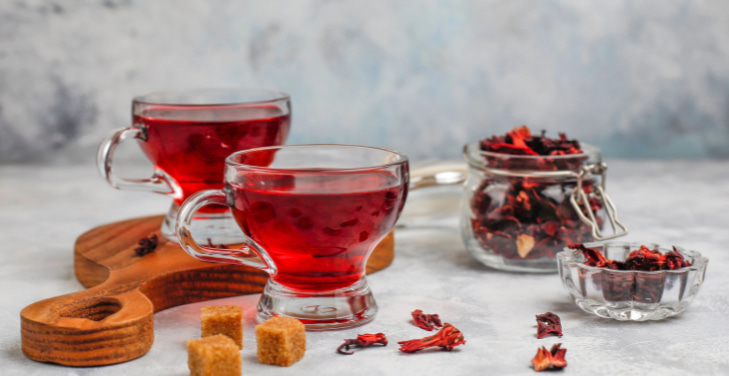
Hibiscus tea supports hydration, relaxation, and antioxidant intake throughout different times daily.
Why Timing Matters When Drinking Hibiscus Tea
Hibiscus tea offers many valuable plant compounds, especially anthocyanins and polyphenols. The timing of consumption determines how the body absorbs these compounds, directly impacting energy levels, hydration, and overall relaxation throughout the day. A well-timed cup of tea often results in a noticeable sense of lightness, increased alertness, and overall well-being.
Body Absorption and Nutrient Activity
The body absorbs antioxidants more effectively when the digestive system is functioning properly and is adequately hydrated. Hibiscus tea supports fluid circulation, promotes metabolism, and maintains natural balance. Many people experience a stronger sense of freshness when drinking tea at times when their bodies need energy replenishment.
Influence on Hydration and Daily Energy
Hibiscus tea helps replenish fluids and provides a lasting feeling of freshness throughout the day. Drinking it in the morning or early afternoon often supports concentration and maintains a stable daily routine. The refreshing flavor and natural red color also stimulate a sense of relaxation and enhance the daily tea-drinking experience.
Best Time to Drink Hibiscus Tea in the Morning
Morning is the ideal time for hibiscus tea to support the body after hours of rest. A warm cup of tea right after waking up often provides a light, pleasant feeling and helps the body start its circadian rhythm on a positive note. The mild sour taste and natural color also make the mind feel refreshed and energized.
Morning Hydration Support
The body needs hydration after a long sleep. Hibiscus tea helps increase feelings of freshness and promotes alertness in the early morning. The polyphenol content in the tea also supports cellular redox balance and maintains the body's vitality during early morning activities.
Pairing Hibiscus Tea With Breakfast
Drinking hibiscus tea with a breakfast rich in fiber and protein helps the digestive system function more smoothly. Many people choose to combine the tea with fruit, oatmeal, or nuts to create a light feeling in the stomach while still having enough energy for many hours of continuous work.
Ideal Morning Serving Habits
A moderately warm temperature helps the hibiscus aroma spread more freely, creating a more pleasant tea-drinking experience in the morning. The time between 7 and 9 a.m. is often ideal for those who want to establish a regular daily health routine.
Drinking Hibiscus Tea Before Meals
Drinking hibiscus tea before meals creates a simple habit that offers many benefits for the digestive system and daily eating habits. The light, refreshing flavor of the tea helps the body approach meals in a pleasant state and supports a more stable circadian rhythm. Many people choose this time to increase a sense of balance and control, and to portion sizes more effectively.
Digestive Preparation Benefits
Hibiscus tea stimulates digestive activity and creates a feeling of lightness in the stomach before eating. The natural plant compounds in the tea support digestion and promote the flow of digestive juices. A warm cup of tea about 20 to 30 minutes before a meal often provides a noticeable feeling of relaxation.
Appetite Awareness and Eating Rhythm
Drinking hibiscus tea before meals helps many people pay more attention to their satiety and eating rhythm. This habit also helps maintain stable energy levels throughout the day, especially when combined with a diet rich in green vegetables, protein, and fresh, natural foods.
Best Time to Drink Hibiscus Tea for Weight Management
Hibiscus tea is often included in many weight management regimens due to its ability to support hydration and maintain a feeling of lightness. The timing of consumption plays a crucial role in optimizing the effectiveness of weight control. A cup of tea at the right time helps the body maintain stable energy levels and promotes more organized, scientific eating habits.
Afternoon Consumption for Metabolic Balance
In the afternoon, many people feel their bodies slow down and crave sweets. Hibiscus tea helps create a sense of freshness, supports alertness, and helps maintain a more stable rhythm of daily life during this period. The refreshing taste of the tea also helps reduce the need for sugary drinks.
Pairing Tea With Active Routines
Drinking hibiscus tea about 30 minutes before light exercise or walking helps the body feel more agile and comfortable. Many people combine tea with a diet rich in green vegetables, protein, and fiber to build sustainable, long-term weight management habits.
Is Hibiscus Tea Good Before Bed?
Hibiscus tea offers a natural sense of relaxation in the evening thanks to its gentle aroma and caffeine-free properties. Many people choose this tea as part of their pre-bedtime wellness routine to help create a calmer, more balanced state after a long day of activity.
Evening Relaxation Support
A warm cup of hibiscus tea in the evening helps the body relax and creates a noticeably pleasant feeling. The antioxidants in the tea support the body's natural recovery process and help stabilize the mind before rest. The warmth of the tea also contributes to a sense of relaxation and enhances the quality of the evening.
Ideal Bedtime Drinking Habits
The time between one and two hours before bedtime is usually ideal for enjoying hibiscus tea. Many people combine the tea with light activities such as reading, meditating, or listening to music to maintain a regular sleep schedule. Moderate amounts of tea also help the body feel relaxed and make it easier to fall asleep.
Nighttime Hydration Benefits
Hibiscus tea helps replenish the body's fluids during nighttime rest. Stable hydration helps the body maintain balance and feel more refreshed the next morning.
Afternoon Hibiscus Tea Benefits
Afternoon is often when the body feels sluggish, and concentration decreases after hours of work. Hibiscus tea offers noticeable refreshment thanks to its cool flavor and effective hydration. A cup of tea in the middle of the day helps to lighten the mind, creating a more balanced and pleasant rhythm of daily life.
Refreshing Midday Hydration
Hibiscus tea helps replenish fluids and maintain alertness during a period when the body expends a lot of energy. The natural red color and mild sour taste stimulate a sense of freshness and help many people feel more agile as they continue working in the afternoon.
Supporting Mental Focus
The antioxidant compounds in hibiscus tea support the body in maintaining a stable state during long working hours. Many people use tea as a short relaxation ritual in the middle of the day to refresh their minds and improve concentration.
Healthy Pairing Habits
Hibiscus tea pairs well with fiber-rich snacks like fresh fruit, nuts, or yogurt. This habit helps maintain steady energy levels and keeps you feeling light throughout the afternoon.
How Often Should You Drink Hibiscus Tea?
The frequency of hibiscus tea consumption directly impacts the ability to maintain long-term health benefits. A consistent habit helps the body better adapt to the natural antioxidants in tea, while also supporting hydration and a sense of balance each day. Many people choose hibiscus tea as a regular part of their proactive health lifestyle.
Recommended Daily Intake
About 1 to 2 cups of hibiscus tea per day is generally suitable for most healthy adults. This amount of tea allows the body to regularly absorb polyphenols and anthocyanins, thereby supporting cardiovascular health and a more stable metabolism.
Building a Consistent Routine
Drinking hibiscus tea at the same time each day helps establish a healthy and easily maintainable routine. Many people choose the morning for a refreshing feeling or the evening to relax their bodies after a long day of activity.
Factors That Influence Frequency
Physical activity level, diet, and daily hydration needs all influence the frequency of hibiscus tea consumption. A highly active body is generally better suited to a more regular tea-drinking schedule to maintain a feeling of lightness and refreshment.
Who Should Be Careful With Hibiscus Tea Timing?
Hibiscus tea offers many health benefits; however, the timing of consumption should be tailored to individual health conditions and lifestyle needs. Certain groups of people need to pay closer attention to their tea-drinking schedule to maintain physiological balance and optimize their daily experience.
People Managing Blood Pressure
Hibiscus tea helps relax blood vessels and promotes natural circulation. People who monitor their blood pressure often establish a fixed drinking schedule to help their bodies adapt more stably to the tea's biological effects. Maintaining an appropriate amount of tea throughout the day also helps the body function more harmoniously.
Medication Timing Awareness
Some medications require a reasonable time interval between consumption and hibiscus tea for better absorption. Many experts recommend maintaining a regular drinking schedule and monitoring the body's response to maintain daily health stability.
Pregnancy and Sensitive Conditions
Pregnant women or those with sensitive constitutions often prefer a milder time of day for their tea. A moderate amount of tea, along with a reasonable consumption schedule, helps the body maintain a more comfortable and balanced state in daily life.
Best Ways to Prepare Hibiscus Tea for Maximum Benefits
The way you brew hibiscus tea directly affects its flavor, the content of beneficial plant compounds, and the overall drinking experience. A proper brewing process helps preserve the natural color, the characteristic tangy taste, and the antioxidant content beneficial to the body. Many people view brewing tea as a relaxing daily health ritual.
Ideal Brewing Temperature
Hot water at around 90-95°C helps hibiscus petals release their color and beneficial compounds more effectively. Steeping for 5-10 minutes usually yields a rich, balanced flavor and is rich in natural plant nutrients.
Hot and Iced Preparation Methods
Hot hibiscus tea offers a warm, relaxing feeling, especially suitable for mornings or evenings. The cold version offers a refreshing sensation and supports intense hydration in hot weather or after physical activity.
Ingredients That Enhance Benefits
Ginger, cinnamon, honey, or fresh lemon slices are often combined with hibiscus tea to add depth of flavor and create a more pleasant sensation with regular consumption.
Conclusion
Hibiscus tea offers comprehensive health benefits when consumed at the right time and consistently as part of a daily lifestyle. Each time of day you drink it creates a unique experience, from a refreshing morning feeling to a relaxing evening.
Proper brewing habits, choosing the right amount, and combining it with a balanced lifestyle help the body absorb plant compounds more effectively. A well-timed cup of hibiscus tea often creates a feeling of well-being, lightness, and positive energy throughout the day.
Frequently Asked Questions (FAQs)
- Can I drink hibiscus tea every day? – Hibiscus tea can be enjoyed daily in moderate amounts, with many people drinking one to two cups to support hydration and antioxidant intake.
- Is hibiscus tea better in the morning or at night? – Morning hibiscus tea supports hydration and freshness, while evening tea promotes relaxation and comfort before sleep, depending on personal preferences and goals.
- Does hibiscus tea support weight management? – Hibiscus tea supports hydration and healthy lifestyle habits, helping many individuals maintain a balanced approach to long-term weight management.
- How long should hibiscus tea steep for maximum benefits? – Steeping hibiscus tea for 5 to 10 minutes helps release its flavor, color, and antioxidant compounds while maintaining a pleasant taste.
- Can hibiscus tea help with relaxation before bed? – Hibiscus tea supports evening relaxation with its caffeine-free profile and soothing aroma, helping create a calm bedtime routine.
