
The demand for plant-based supplements is surging as more and more research focuses on natural bioactive compounds that support long-term health. Red clover has become one of the herbs attracting scientific attention due to its rich isoflavone content and potential applications in various nutritional fields.
From endocrine and cardiovascular health to bone health, red clover continues to be evaluated in numerous clinical studies. Understanding its composition, benefits, and usage will help users choose a supplement that suits their health goals.
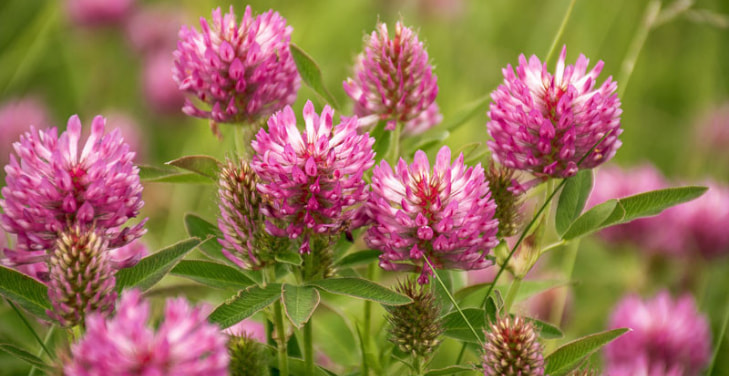
Red Clover flowers contain natural isoflavones that support overall wellness and hormonal health naturally.
What Is Red Clover?
Red clover is a medicinal herb rich in bioactive plant compounds, used in traditional medicine and modern research to support endocrine, cardiovascular, and bone health. Its naturally occurring isoflavone content makes this herb a subject of interest in nutrition and healthcare.
Botanical Origin and Traditional Uses
Red clover (Trifolium pratense) belongs to the legume family (Fabaceae) and is commonly found in Europe, West Asia, and North America. The flowers and above-ground parts of the plant contain many valuable active compounds and are usually harvested during peak bloom to maximize their medicinal value. Many traditional medicine systems have incorporated red clover into herbal formulas to support women's health and improve overall well-being.
Key Bioactive Compounds
Red clover is notable for its isoflavone content, including biochanin A, formononetin, daidzein, and genistein. These compounds belong to the group of plant-derived phytoestrogens and are involved in many biological activities related to hormone metabolism, antioxidant activity, and cellular protection. The abundance of active ingredients is what gives Red Clover its distinctive value in modern supplements.
How Red Clover Supports the Body
The isoflavones in Red Clover interact with multiple biological pathways, helping maintain hormonal balance, support cardiovascular health, and promote tissue regeneration. Their antioxidant activity also helps protect cells from free radical damage and maintain stable physiological function. This multi-faceted mechanism makes Red Clover a crucial component in holistic health care strategies.
Nutritional Profile of Red Clover
Red clover boasts an outstanding nutritional profile due to its abundance of bioactive plant compounds. This rich composition forms the basis for research on endocrine, cardiovascular, and bone health, as well as the ability to protect cells from oxidative agents.
Isoflavones and Phytoestrogens
Red clover contains four main isoflavones: biochanin A, formononetin, daidzein, and genistein. This group of phytoestrogens participates in many biological processes related to hormone regulation, cellular metabolism, and the maintenance of homeostasis. Isoflavone content is often standardized in supplements to ensure its efficacy.
Vitamins, Minerals, and Antioxidants
In addition to isoflavones, red clover also provides vitamin C, calcium, magnesium, potassium, and many trace elements essential for physiological function. Flavonoids and plant-based antioxidants contribute to cell protection, support circulation, and promote connective tissue health. The combination of these micronutrients creates the comprehensive nutritional value of this medicinal herb.
Potential Health Benefits of Red Clover
Red clover is highly valued for its natural isoflavone content and numerous bioactive antioxidant compounds. These components participate in many important metabolic processes and contribute to improved health at various stages of life.
Supports Menopausal Health
Isoflavones in red clover help maintain hormonal balance in women during perimenopause and menopause. These compounds interact with estrogen receptors, thereby supporting stable physiological function and improving quality of life. Many studies continue to evaluate the potential applications of red clover in women's health.
Promotes Bone and Cardiovascular Health
Red clover contains plant compounds that help maintain bone mineral density and support bone tissue regeneration. Isoflavones also improve vascular endothelial function, promote circulation, and help maintain healthy blood lipid levels. These effects form a crucial foundation for cardiovascular and musculoskeletal health.
Provides Antioxidant and Skin Support
Flavonoids and antioxidants in red clover contribute to protecting cells from the effects of free radicals. This activity helps maintain skin elasticity, promotes tissue regeneration, and helps skin stay fresh and healthy. The combination of isoflavones and antioxidants provides comprehensive value for long-term health.
Scientific Evidence: What Does Research Show?
Research on Red Clover has flourished over the past decades, focusing on the role of isoflavones in women's, cardiovascular, and bone health. Increasingly abundant scientific data clarifies the mechanisms of action and potential applications of this herb in healthcare.
Clinical Evidence with Strong Support
Numerous clinical trials have shown that Red Clover helps improve several symptoms associated with menopause, such as hot flashes and changes in quality of life. Some studies also show that isoflavones help maintain bone mineral density and improve circulatory indicators. Randomized, controlled design with long follow-up periods enhances the value of this evidence.
Emerging Areas of Research
Scientists continue to evaluate the impact of Red Clover on lipid metabolism, cognitive function, skin health, and cellular aging. Recent studies applying molecular biotechnology and modern biomarkers are clarifying the mechanisms of isoflavones in the body. The ever-expanding data sources contribute to a more complete scientific basis for the use of Red Clover in nutrition and preventive medicine.
Who May Benefit from Red Clover?
Red Clover is suitable for many groups due to its high content of plant isoflavones and other bioavailable antioxidants. Appropriate supplementation supports many important bodily functions and improves quality of life according to individual health needs.
Women During Menopause
Women in the pre-menopausal and menopausal stages often choose Red Clover to support hormonal balance. Plant isoflavones participate in many hormone-related physiological processes, contributing to maintaining bodily stability and increasing comfort in daily life. This is also the group most studied for Red Clover.
Adults Concerned About Bone Health
Adults wishing to maintain bone health can benefit from the isoflavones in Red Clover. These compounds contribute to supporting bone metabolism and maintaining bone mineral density over time. Combining Red Clover with a diet rich in calcium and vitamin D provides a solid foundation for healthy bones.
Individuals Seeking Heart and General Wellness
Those concerned about cardiovascular health and overall well-being can incorporate Red Clover into a healthy lifestyle. Isoflavones and flavonoids support vascular function, promote antioxidant activity, and contribute to maintaining cellular health. This value makes Red Clover a popular choice in long-term health care programs.
How to Take Red Clover
Using Red Clover correctly optimizes isoflavone absorption and maximizes the nutritional value of the herb. Choosing the right dosage form, amount, and timing of supplementation plays a crucial role in long-term health care.
Common Supplement Forms
Red Clover is currently available in capsule, tablet, herbal tea, liquid extract, and soluble powder forms. Each form offers varying levels of active ingredients, catering to individuals' diverse needs. Standardized isoflavone extracts are often the preferred choice for daily supplementation programs.
Recommended Dosage
The dosage of Red Clover depends on the intended use and the isoflavone content of each product. Many clinical studies use approximately 40–80 mg of isoflavones per day to support women's health and cardiovascular health. Adhering to the manufacturer's or healthcare professional's instructions helps create a suitable supplementation plan.
Best Time and Duration
Red Clover is typically taken with meals to facilitate the absorption of its plant-based active ingredients. Taking it at the same time each day helps maintain stable isoflavone levels in the body. Many studies have shown positive results after approximately 8–12 weeks of consistent use.
Safety, Side Effects, and Precautions
Red Clover has a fairly good safety record when used at the correct dosage and when selecting products that meet quality standards. Understanding potential side effects, drug interactions, and important precautions helps in developing a supplementation plan suitable for each individual's health condition.
Common Side Effects
Some people may experience bloating, digestive discomfort, headaches, or mild rashes during the initial period of use. These symptoms are usually related to the body's adaptation to the isoflavone active ingredient. Monitoring the body's reaction helps adjust the supplementation plan appropriately and effectively.
Potential Drug Interactions
Isoflavones in Red Clover may interact with anticoagulants, hormonal drugs, and drugs metabolized by the liver. Healthcare professionals will assess the suitability of each case based on the patient's medical condition and existing treatment regimen. Proper coordination contributes to enhanced safety during use.
Special Precautions
Pregnant women, breastfeeding women, individuals preparing for surgery, or individuals with hormone-sensitive medical conditions should develop a usage plan under the guidance of a healthcare professional. Choosing standardized isoflavone products, adhering to dosage guidelines, and regularly monitoring help maintain the effectiveness of supplementation and protect long-term health.
How to Choose a High-Quality Red Clover Supplement
The quality of Red Clover is determined by its isoflavone content, purity, and usability. Evaluation based on scientific criteria helps users choose a safe, stable supplement that meets their health needs.
Choose Standardized Isoflavone Content
High-quality products typically standardize isoflavone content to ensure each serving provides a consistent amount of the active ingredient. Information about biochanin A, formononetin, or total isoflavones is clearly stated on the label, allowing users to assess nutritional value. This is an important criterion when choosing Red Clover.
Verify Third-Party Quality Testing
Certifications from independent testing laboratories reflect the purity, active ingredient content, and standardized manufacturing processes. Products undergoing quality testing enhance reliability with respect to composition, heavy metal limits, and impurities. This standard helps ensure consistency across production batches.
Review Ingredients and Packaging
Consumers should prioritize products with transparent ingredient lists, clear sources of raw materials, and minimal unnecessary additives. Sealed, light- and moisture-resistant packaging helps protect isoflavones from environmental factors and maintain their quality throughout their shelf life.
Red Clover vs. Other Herbal Supplements
Many herbs are used to support women's health and hormonal balance, with Red Clover standing out for its high levels of natural isoflavones. Each herb possesses its own active ingredients and biological mechanisms, resulting in different applications in healthcare.
Red Clover vs. Soy Isoflavones
Both Red Clover and soy provide plant-based isoflavones; however, Red Clover contains a higher proportion of biochanin A and formononetin. These compounds are involved in many processes related to hormone metabolism and antioxidant activity. Many supplements choose Red Clover as a concentrated source of herbal isoflavones.
Red Clover vs. Black Cohosh
Black Cohosh is commonly used in women's healthcare programs for its triterpene glycosides. Red Clover provides isoflavones that support endocrine, bone, and cardiovascular function. Each herb offers a unique supplemental approach based on its bioactive components.
Red Clover vs. Evening Primrose Oil
Evening Primrose Oil is rich in gamma-linolenic acid (GLA), while Red Clover is notable for its plant-based phytoestrogens. GLA supports cell membrane structure and physiological responses, while isoflavones contribute to maintaining hormonal balance and antioxidant activity. The choice depends on individual nutritional goals and health care needs.
Conclusion
Red clover provides a valuable source of plant-based isoflavones and numerous antioxidants that support endocrine, cardiovascular, and skeletal health. Growing scientific evidence continues to strengthen the role of this herb in nutrition and proactive health care.
Choosing a high-quality product, using the correct dosage, and combining it with a balanced diet, regular exercise, and a healthy lifestyle will optimize the supplement's effectiveness, maintain long-term health, and improve quality of life.
Frequently Asked Questions (FAQs)
- Can Red Clover be taken every day? – Red Clover can be taken daily when used according to the product label or a healthcare professional's recommendations. Consistent supplementation helps maintain stable isoflavone intake and supports normal physiological functions over time.
- How long does Red Clover take to work? – The time required to notice benefits depends on the intended purpose, individual health status, and the product's isoflavone content. Many studies have reported positive changes after approximately 8–12 weeks of consistent use.
- Can men take Red Clover? – Men may also use Red Clover as a source of plant-based isoflavones and antioxidants. When included in a balanced diet, these compounds may help support cardiovascular health and overall wellness.
- Can Red Clover be combined with other supplements? – Red Clover is commonly combined with supplements such as vitamin D, calcium, or omega-3 fatty acids. A healthcare professional can recommend combinations that match individual nutritional needs and health goals.
- Who should consult a healthcare professional before using Red Clover? – Pregnant or breastfeeding women, individuals with hormone-sensitive conditions, and those taking anticoagulant medications should consult a healthcare professional before using Red Clover supplements.
