
Star anise contains highly bioactive essential oil compounds, with anethole contributing to its distinctive aroma and attracting medicinal researchers' attention. Notably, a similar star-shaped plant may contain neurotoxins that cause seizures and severe poisoning.
So, what are the health benefits of star anise, what are its nutritional components, and how can it be used safely?
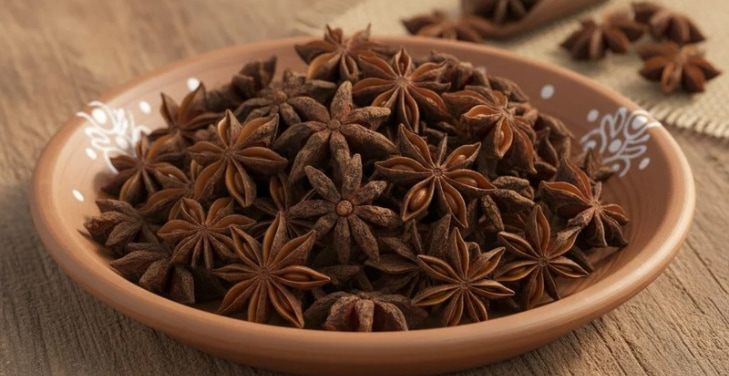
Star anise is a fragrant spice valued for its distinctive flavor and traditional medicinal applications.
What Is Star Anise?
Star anise is a spice with a distinctive aroma, widely used in cuisine and traditional medicine systems. This plant has star-shaped fruit that contains aromatic essential oils and many bioactive compounds, especially anethole.
Botanical Name and Plant Characteristics
Star anise's scientific name is Illicium verum, and it belongs to the Schisandraceae family. The plant grows into an evergreen woody plant with glossy green leaves and creamy white or pale yellow flowers. Ripe fruit forms pointed segments arranged in a star shape, each containing a small, glossy brown seed.
Origin and Major Growing Regions
Star anise originates from Southern China and Northeastern Vietnam. China is currently a major production region, particularly Guangxi Province. The humid tropical and subtropical climate provides favorable conditions for growth, fruit development, and the accumulation of aromatic essential oils.
Traditional Culinary and Medicinal Applications
In cuisine, star anise provides a warm, subtly sweet aroma and is used in broths, stews, baked goods, and traditional spice blends. Traditional medicine also uses this fruit in preparations to aid digestion, warm the body, and care for the respiratory system.
Star Anise Nutrition and Active Compounds
Star anise provides a small amount of nutrients, along with plant compounds with notable bioactive properties. This spice's chemical composition is mainly concentrated in essential oils, phenolic compounds, and antioxidants, which contribute to its characteristic aroma and potential applications in healthcare.
Essential Nutrients and Plant-Derived Compounds
Star anise contains carbohydrates, fiber, small amounts of protein, lipids, and minerals such as calcium, iron, potassium, and magnesium. Nutritional content varies depending on origin, maturity, and storage method.
Anethole and Its Contribution to Aroma
Anethole is the main aromatic compound in star anise essential oil, creating a characteristic warm, sweet scent reminiscent of licorice. This component has also attracted research interest for its antibacterial and anti-inflammatory activity.
Antioxidant Compounds and Biological Activity
Phenolic and flavonoid compounds contribute to star anise's antioxidant properties. They help neutralize free radicals and support research into mechanisms of cell protection, inflammatory response regulation, and the biological activity of plant extracts.
Potential Health Benefits of Star Anise
Star anise contains numerous bioactive plant compounds that have attracted interest in nutritional and pharmacological research. Its antioxidant, antimicrobial, and anti-inflammatory properties help explain its potential healthcare applications. Current evidence primarily comes from laboratory and preclinical studies.
Antioxidant Properties and Cellular Protection
The phenolic and flavonoid compounds in star anise help neutralize free radicals, reduce oxidative stress, and protect cellular structures. This activity is significant for research into cardiovascular health and cellular aging.
Antimicrobial and Anti-Inflammatory Activity
Anethole, along with several essential oil components, exhibits antimicrobial activity in in vitro studies. These compounds are also attracting attention for their ability to regulate certain inflammatory responses, opening avenues for future medicinal applications.
Traditional Respiratory and Digestive Applications
Traditional medicine uses star anise in preparations to aid digestion, reduce bloating, and support respiratory health. These applications are linked to the essential oil's warm, aromatic properties, and further clinical research is needed to determine its effectiveness and appropriate dosage.
Star Anise for Digestive Health
Star anise has a long history of use in digestive health care due to its distinctive aroma and high content of plant essential oils. Preparations from this spice are often found in folk remedies to aid digestion, improve post-meal comfort, and reduce gastrointestinal discomfort.
Traditional Use for Bloating and Gas
Traditional medicine uses star anise to help reduce bloating, abdominal distension, and gas buildup in the intestines. The aroma of anethole contributes to a relaxing feeling and may be used in herbal preparations to support digestion.
Aromatic Compounds and Digestive Comfort
Star anise essential oil contains anethole and several other bioactive aromatic compounds. These components have attracted interest in research on gastrointestinal function and smooth muscle contraction responses. Most current evidence comes from preclinical studies.
Star Anise Tea for Digestive Support
Star anise tea is a traditional remedy used to create a warm and comforting feeling after meals. Users typically steep whole dried anise pods in hot water to extract the aroma and natural essential oils.
Star Anise Uses in Food and Herbal Preparations
Star anise plays a significant role in food preparation and traditional herbal practices. Its warm, sweet, slightly spicy aroma and characteristic anethole content give this spice depth to dishes, while also providing a rich source of essential oils for herbal preparations.
Culinary Applications in Traditional Dishes
Star anise is commonly found in pho, broths, soups, stews, and casseroles. When heated, its essential oils infuse the liquid, creating a rich aroma and contributing to the distinctive character of Asian cuisine.
Use in Spice Blends and Baked Goods
In five-spice blends, star anise combines with cinnamon, cloves, fennel, and pepper to create a rich layer of flavor. This spice is also present in cookies, baked goods, and some desserts.
Herbal Preparations and Infusions
Star anise is used to make tea, infusions, and flavor traditional herbal preparations. Consumers often choose whole dried fruits and pay attention to the food's origin to ensure safety.
Star Anise Tea: Preparation and Consumption
Star anise tea is a fragrant herbal beverage with a sweet, warm aroma, often found in traditional spice-based recipes. Preparation is simple, focusing on extracting essential oils and plant compounds from the dried fruit with hot water.
Selecting Whole, Food-Grade Star Anise
Choose whole star anise pods with a natural reddish-brown color, a characteristic aroma, and a clear commercial origin. Food-grade products reduce the risk of confusion with Japanese star anise (Illicium anisatum), a toxic species.
Brewing Methods and Steeping Time
Use 1–2 dried star anise pods for approximately 250 ml of boiling water. Steep for 5–10 minutes to release the aroma and essential oils, then strain out the pods before enjoying. You can add ginger or cinnamon for a richer flavor.
Serving Considerations and Individual Tolerance
Adults should consume star anise tea in moderation and monitor their digestive reactions. Star anise contains a high concentration of essential oils, so limiting intake helps reduce irritation risk. Young children should avoid star anise tea because misidentified or adulterated products may be contaminated.
Star Anise vs. Anise Seeds
Star anise and anise seeds both have a distinctive aroma because of anethole, a compound that creates a sweet, warm scent reminiscent of licorice. These ingredients are common in cuisine and traditional herbal remedies, but they have distinct botanical characteristics and chemical compositions.
Botanical Differences
Star anise belongs to the species Illicium verum, family Schisandraceae, and originates from East Asia. Anise seeds are the dried fruit of the anise tree (Pimpinella anisum), family Apiaceae, and originate from the Mediterranean and West Asia.
Flavor, Aroma, and Chemical Composition
Both ingredients contain anethole in their essential oils, creating a characteristic sweet aroma. Star anise has a star-shaped fruit with hard woody wings, while anise seeds are smaller, oval-shaped, and have a slightly ribbed surface. Essential oil composition also varies by plant species and growing conditions.
Culinary and Traditional Medicinal Uses
Star anise is commonly used in pho, stews, five-spice powder, and herbal teas. Anise seeds are popular in bread, biscuits, tea, and traditional medicine preparations that aid digestion.
Star Anise Side Effects and Potential Dangers
Star anise contains essential oils and other bioactive plant compounds that give it its characteristic aroma and traditional health benefits. However, overconsumption, allergic reactions, or misidentification of the plant species can pose significant risks. Safety levels depend on the source of the raw material, the amount consumed, and individual sensitivity.
Allergic Reactions and Digestive Discomfort
Some people may experience allergic reactions after using star anise, manifesting as itching, hives, rashes, or lip swelling. High amounts of essential oil can also cause nausea, abdominal discomfort, and gastrointestinal irritation in sensitive individuals.
Risks Associated With Excessive Consumption
Using large amounts of star anise or concentrated essential oil can increase the risk of digestive irritation and adverse reactions. Pure essential oils contain high concentrations of active ingredients, so follow usage instructions and control dosage.
Toxicity Concerns Involving Japanese Star Anise
Japanese star anise (Illicium anisatum) contains toxic compounds such as anisatin, which can cause neurotoxicity, seizures, and digestive disorders. Confusing this species with Chinese star anise (Illicium verum) creates a serious risk of poisoning, especially when used in herbal teas.
Who Should Use Star Anise With Caution?
Star anise contains essential oils and bioactive plant compounds, so certain groups need to pay special attention to the source, dosage, and method of use. Assessing individual health conditions helps limit the risk of allergies, irritation, and adverse reactions when consuming this spice.
Pregnant and Breastfeeding Individuals
Pregnant and breastfeeding women should consult a healthcare professional before using star anise in the form of concentrated tea or supplements. Data on the safety of high amounts of essential oils during these periods is limited.
Children and Sensitive Individuals
Infants and young children should avoid star anise tea because Japanese star anise and contaminated products can cause poisoning. Individuals with sensitive digestive systems should also limit consumption to reduce irritation.
People with Allergies or Underlying Health Conditions
People with a history of allergies to spices or plants in the Schisandraceae family should use star anise with caution. People with chronic illnesses or those taking medication regularly should consult their doctor before using essential oils or concentrated herbal preparations.
Conclusion
Star anise is a spice rich in bioactive plant compounds, particularly anethole, flavonoids, and antioxidants. These components may offer benefits for digestive health, antibacterial activity, and inflammation regulation.
When using it, consumers should pay attention to the origin of the ingredients, limit consumption, and be aware of potential risks from Japanese star anise. Choosing food-grade products ensures safety and maximizes the benefits of this spice.
Frequently Asked Questions (FAQs)
- What Are the Main Health Benefits of Star Anise? – Star anise contains anethole, flavonoids, and bioactive phenolic compounds with potential antioxidant, antibacterial, and anti-inflammatory properties. These compounds are being studied for their possible effects on digestive health, although clinical evidence in humans remains limited.
- How Much Star Anise Can You Consume Daily? – The appropriate amount of star anise depends on its form, concentration, and individual tolerance. Adults should use small culinary amounts in food and seek professional advice before taking concentrated extracts or essential oils. There is no universally established daily therapeutic dose.
- Is Star Anise Tea Good for Digestion? – Star anise tea has traditionally been used to support digestion, ease bloating, and provide comfort after meals. Anethole and other aromatic compounds contribute to its distinctive flavor and potential biological activity, although strong clinical evidence for digestive benefits is lacking.
- What Are the Side Effects of Star Anise? – Star anise may cause allergic reactions, nausea, abdominal discomfort, and digestive irritation in some people. Excessive consumption and concentrated essential oils may increase the risk of adverse effects and toxicity.
- Is Japanese Star Anise Toxic? – Yes. Japanese star anise (Illicium anisatum) contains anisatin and related neurotoxic compounds that can cause vomiting, seizures, and severe poisoning. It is unsafe for consumption. Choose Chinese star anise (Illicium verum) from reputable food suppliers, as the two species can be difficult to distinguish visually.
