
Star anise is a spice rich in bioactive plant compounds, offering a distinctive aroma and numerous potential health benefits. Daily consumption plays a crucial role in controlling exposure to these natural compounds.
Understanding appropriate dosages, brewing methods, potential benefits, and safety warnings helps users consume star anise safely, proactively, and effectively.
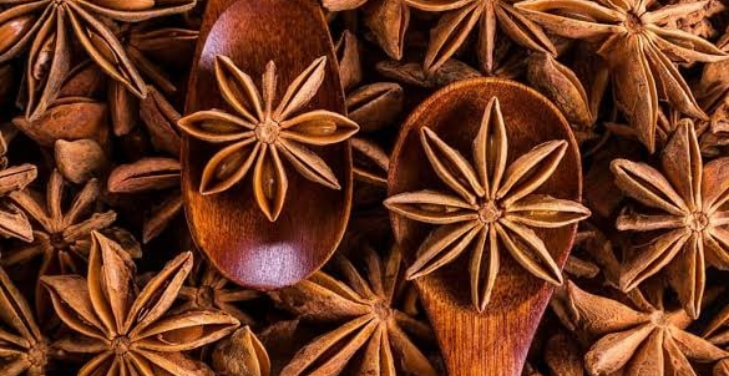
Daily star anise intake depends on preparation strength, serving size, product quality, and individual tolerance.
What Is Star Anise?
Star anise is a spice with a distinctive aroma, widely used in traditional cuisine and health practices. This fruit contains many bioactive plant compounds, especially anethole, which gives it its characteristic warm, sweet aroma.
Botanical Name and Plant Characteristics
Star anise (Illicium verum) belongs to the Schisandraceae family and grows into an evergreen woody plant. The fruit is star-shaped with small petals arranged in a circle, each petal usually containing a seed. Ripe fruit is reddish-brown, with a strong aroma and a slightly sweet and spicy taste.
Origin and Traditional Culinary Applications
Star anise originates from Southern China and Southeast Asia. This spice plays an important role in many stews, broths, meat dishes, and traditional spice blends. In traditional medicine, star anise is also found in herbal tea recipes that aid digestion.
Main Aromatic Compounds
The main component of star anise is trans-anethole, an aromatic compound in the phenylpropanoid group. The fruit also contains flavonoids, phenolic acids, and several other essential oil compounds. These components contribute to its characteristic flavor and have attracted researchers' attention for their antioxidant and antimicrobial activity.
How Much Star Anise Per Day Is Recommended?
The amount of star anise used daily depends on the purpose, preparation method, and the concentration of essential oils in the finished product. Currently, medical literature has not established an official daily consumption level or standard therapeutic dose for this spice. For healthy adults, use small amounts in cooking and keep the tea's concentration low.
Common Culinary Quantities
In cooking, adults can use about 1–2 whole star anise pods (about 1–2 g) for a dish serving 2–4 people. This amount creates a characteristic aroma while keeping spice use moderate.
Traditional Herbal Amounts
Some herbal monographs mention about 3 g of dried star anise per day in herbal preparations. This is a reference amount from the literature and not a standard dose confirmed through clinical trials.
Culinary Use and Concentrated Preparations
Star anise used as a spice is typically suitable for small servings. Herbal teas, powder extracts, and essential oils vary in active-ingredient concentration, so each use requires individual evaluation.
Daily Star Anise Intake by Preparation
Daily star anise consumption varies by form, grind size, and extraction method. Each form of use produces a different concentration of aromatic compounds, directly affecting serving size and exposure to the plant's active ingredients.
Whole Star Anise Pods
Whole star anise pods are commonly used in stews, soups, and herbal teas. Adults can use about 1–2 pods per day in typical food preparation. Each pod varies in size and weight, so weighing about 1–2 g helps you control the amount more accurately.
Ground Star Anise Powder
Ground star anise powder has a strong aroma and disperses quickly in food. The recommended serving size is about ¼–½ teaspoon (0.5–1 g) per day when used as a seasoning. Choose food powders from reputable sources.
Star Anise Tea and Liquid Extracts
For star anise tea, use approximately one dried anise (1–2 g) with 200–250 ml of hot water, steeping for 5–10 minutes. For liquid extracts, follow the manufacturer's instructions, as active-ingredient concentrations vary by extraction method.
How Much Star Anise Tea Can You Drink Daily?
Star anise tea is a fragrant, sweet, and warm herbal beverage often used in traditional health practices. The appropriate amount depends on the number of anise pods used, the volume of water, the steeping time, and individual tolerance. Currently, science has not established an official daily consumption limit for this tea.
Typical Tea Preparation and Serving Size
A healthy adult can brew one dried star anise pod (approximately 1–2 g) with 200–250 ml of hot water for one serving. This brewing method creates a beverage with a distinctive aroma, suitable for those who enjoy herbal teas.
Steeping Time and Infusion Strength
Steeping for 5–10 minutes allows the tea to absorb aromatic compounds, especially anethole. Users can adjust strength by water amount and steeping time, and should prioritize ingredients from reputable sources.
Daily Frequency and Individual Tolerance
One cup per day is a common reference serving in a tea-drinking routine. Tolerance depends on individual sensitivity, health status, and ingredient quality. Infants and young children should avoid star anise tea because products contaminated with Japanese star anise can be toxic.
Potential Benefits of Moderate Star Anise Consumption
Star anise provides numerous bioactive plant compounds, contributing to its nutritional value and potential applications in healthcare. In moderation, this spice can supplement antioxidants and support several physiological functions. Current research focuses primarily on compositional studies and laboratory experiments.
Antioxidant Activity
Star anise contains flavonoids, phenolic acids, and aromatic compounds that can neutralize free radicals. The antioxidant activity of these components is attracting interest in research on oxidative stress and cell protection.
Traditional Digestive Applications
In traditional medicine, star anise is often found in herbal tea formulas that aid digestion. Its distinctive aroma and essential oil compounds contribute to a pleasant feeling after meals and have drawn interest for its potential digestive support.
Antimicrobial Properties
Anethole and several plant compounds in star anise have shown antimicrobial activity in in vitro studies. These findings open avenues for research into using star anise for microbial control, although its efficacy in humans still requires further clinical evidence.
Factors That Influence Daily Star Anise Intake
Many physiological factors and individual usage characteristics influence the appropriate daily amount of star anise. Age, sensitivity, processing method, health status, and medications all help determine a safe serving size.
Age and Individual Sensitivity
Age and tolerance directly affect the body's reaction to the compounds in star anise. Adults typically use the spice in their usual culinary portions, while infants and young children require strict monitoring due to the risk of poisoning.
Preparation Method and Product Concentration
Whole star anise, powder, tea, and extract have varying concentrations of aromatic compounds. Grinding, heating, and prolonged soaking also affect the amount of active ingredients in the final product.
Health Conditions and Medication Use
Individuals with a history of spice allergies, underlying medical conditions, or those currently taking medications should carefully assess their star anise consumption. Consulting a healthcare professional helps determine appropriate portion sizes and minimize the risk of adverse reactions and potential interactions.
Star Anise Side Effects From Excessive Consumption
Consuming large amounts of star anise can increase the risk of adverse reactions because the body is exposed to high concentrations of plant compounds. The degree of impact depends on the amount used, the form of preparation, the purity of the raw material, and individual sensitivity. In particular, products contaminated with Japanese star anise can cause serious neurotoxicity.
Digestive Discomfort and Allergic Reactions
Excessive use of star anise can cause nausea, abdominal pain, gastrointestinal discomfort, and allergic reactions in sensitive individuals. Allergic manifestations may include itching, hives, rash, and lip swelling. Difficulty breathing or throat swelling requires immediate medical attention.
Toxicity From Misidentified or Contaminated Products
Japanese star anise (Illicium anisatum) contains anisatin and neurotoxic sesquiterpene lactones. Consuming the wrong species or contaminated products can cause vomiting, agitation, muscle tremors, and convulsions.
Risks of Concentrated Essential Oils
Star anise essential oil contains a high concentration of volatile compounds, especially anethole. Ingesting undiluted essential oil can cause poisoning and gastrointestinal irritation. Use essential oils only for appropriate purposes, as directed by professionals, and avoid self-consumption or concentrated doses.
Chinese Star Anise vs. Japanese Star Anise: Safety Differences
Chinese star anise and Japanese star anise belong to the same genus, Illicium, and have similar fruit shapes but different chemical characteristics and safety levels. Accurately identifying each species is crucial in selecting spices, preparing herbal teas, and controlling the risk of poisoning.
Botanical Differences
Chinese star anise (Illicium verum) originates from China and Vietnam, has star-shaped fruits with about 6–8 points, and is commonly used in food. Japanese star anise (Illicium anisatum) originates from Japan and is used mainly for decoration and traditional applications.
Toxic Compounds in Japanese Star Anise
Japanese star anise contains anisatin and neurotoxic sesquiterpene lactone compounds. These substances can cause nausea, vomiting, agitation, seizures, and neurological disorders. The risk of poisoning increases when consumers consume products contaminated with this plant.
Importance of Verified Food-Grade Products
Consumers should choose products clearly labeled "Chinese star anise (Illicium verum)," with verifiable origin and food safety certifications. Appearance can be misleading, so quality certification and traceability are crucial to ensure safety.
Who Should Limit or Avoid Star Anise?
Star anise is suitable for use as a seasoning in the regular diets of many adults. However, some groups are at higher risk of adverse reactions due to physiological characteristics, sensitivities, or health conditions. Assessing the target population helps control the risk of allergies and poisoning.
Pregnant and Breastfeeding Individuals
Pregnant and breastfeeding women should limit star anise intake. Healthcare professionals should evaluate concentrated tea preparations, extracts, and essential oils before use because safety data during these periods are limited.
Infants and Young Children
Infants and young children should avoid star anise tea. The risk of Japanese star anise containing anisatin can cause seizures, vomiting, and neurological disorders. Their developing nervous systems need extra protection against poisoning.
People With Allergies or Health Concerns
People with a history of allergies to spices, plants in the Schisandraceae family, or prior reactions to star anise should use it with caution. Those with underlying medical conditions, taking medications, or who have sensitivities should consult a healthcare professional before using this concentrated product.
Tips for Using Star Anise Safely
Using star anise safely requires attention to ingredient origin, serving sizes, and storage methods. Choosing products that meet food standards, controlling usage, and recognizing unusual signs help reduce the risk of toxin exposure and adverse reactions.
Choose Verified Chinese Star Anise
Prioritize products clearly labeled as Chinese star anise (Illicium verum), with food labels, origin information, and quality certification information. Choosing a reputable supplier helps minimize the risk of confusion with Japanese star anise containing neurotoxins.
Follow Appropriate Serving Sizes
Adults should maintain a small amount of the spice, about 1–2 whole berries per day in food preparation. When making tea, use 1 berry with 200–250 ml of hot water. Use extracts and essential oils according to professional guidelines.
Store Star Anise Properly
Store whole star anise in an airtight container in a cool, dry place away from direct sunlight. Check the smell, color, and condition of the anise before use to maintain quality and minimize the risk of moisture and mold contamination.
Conclusion
Star anise offers a distinctive flavor and contains plant compounds with potential antioxidant properties that may support digestive health. Using it properly is crucial to stay safe when adding this spice to your diet.
Adults should prioritize small servings and choose Chinese star anise (Illicium verum) from a reliable source with quality control. Using it properly helps maximize star anise's culinary value.
Frequently Asked Questions (FAQs)
- How Much Star Anise Can You Eat Daily? – Adults may use approximately 1–2 Chinese star anise fruits in daily cooking as a general culinary reference. The appropriate amount depends on fruit size, preparation method, ingredient quality, and individual tolerance. Use only food-grade Chinese star anise (Illicium verum).
- How Much Star Anise Tea Can You Drink Daily? – A traditional preparation uses 1 Chinese star anise fruit steeped in 200–250 ml of hot water. One cup can serve as a modest occasional beverage, although evidence establishing a safe daily amount for long-term use is limited. Check the ingredient's origin and avoid products of uncertain identity.
- Is Star Anise Safe to Take Every Day? – Chinese star anise (Illicium verum) is generally used safely in small culinary quantities. Choose products from reputable food suppliers and use them in moderation. The safety of concentrated extracts and long-term medicinal use has not been adequately established.
- What Happens If You Consume Too Much Star Anise? – Excessive star anise consumption may cause nausea, stomach pain, and allergic reactions. Contamination or substitution with Japanese star anise (Illicium anisatum), which contains neurotoxic compounds, can cause muscle tremors, seizures, and severe poisoning.
- Can You Drink Star Anise Tea Before Bed? – A weak cup of Chinese star anise tea may be enjoyed as an evening beverage. However, clinical evidence is insufficient to confirm that it improves sleep. Use food-grade ingredients, keep the preparation mild, and monitor individual tolerance.
