
Matcha is becoming a prominent trend among health-conscious communities, those seeking clean energy, and improved mental performance. Coffee shops, nutritionists, and lifestyle enthusiasts are all showing strong interest in this premium green tea.
Many people choose matcha to increase alertness, support focus, and maintain a steady energy level throughout the day. The caffeine content in matcha is currently attracting significant search interest, particularly from those looking to change their daily coffee habits.
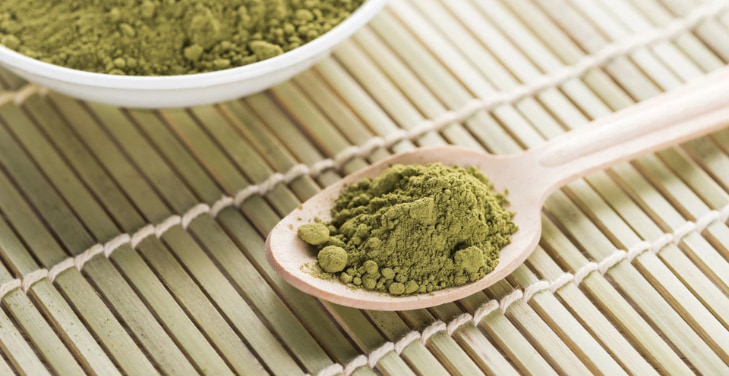
Matcha contains natural caffeine that supports focus, energy, and mental alertness daily.
What Is Matcha and Why Does Its Caffeine Matter?
Matcha offers a very different energy experience compared to other natural beverages. This finely ground green tea powder provides caffeine along with many valuable bioactive compounds, creating a noticeable state of alertness while maintaining stable focus. Many people choose matcha to support mental performance, maintain morning energy, and enhance concentration during long, stressful days.
Finely Ground Green Tea Leaves
Matcha is made from young green tea leaves grown in the shade before harvesting. This process increases the content of chlorophyll, amino acids, and caffeine in the tea leaves. After steaming and drying, the leaves are ground into an ultra-fine powder so that users can absorb all the nutrients when brewed.
Why Matcha Caffeine Feels Unique
The caffeine in matcha works with L-theanine, an amino acid, to create a feeling of relaxation and alertness simultaneously. This combination helps the brain maintain sharp focus, a stable mental state, and sustained energy levels for hours.
Growing Interest in Matcha for Daily Energy
The trend of using matcha is rapidly growing among the health- and performance-conscious community. Many people use matcha before intense workouts, mental work, or studying to maintain alertness and a stable energy level throughout the day.
How Much Caffeine Does Matcha Have Per Serving?
The caffeine content in matcha is what makes this premium green tea so appealing. Just a small amount of matcha powder provides enough energy to boost alertness, increase concentration, and support mental performance for hours on end.
Average Caffeine in One Teaspoon
A standard teaspoon of matcha contains approximately 60–70 mg of caffeine. Some premium matcha varieties made from young tea leaves may contain even higher amounts, especially when using larger quantities of powder per serving. This makes matcha a popular choice for those needing a steady energy boost in the morning or early afternoon.
Serving Size Changes the Total Intake
Caffeine levels increase directly with the amount of matcha used. A large matcha latte typically contains more tea powder than a traditional recipe, significantly increasing its caffeine content. Stronger recipes designed for high-intensity workouts or work often produce very high caffeine levels.
Ceremonial vs. Culinary Grade Matcha
Ceremonial matcha typically uses high-quality, young tea leaves with a prominent content of amino acids and caffeine. Culinary matcha has a stronger flavor and is often found in lattes, cakes, or smoothies. The quality of the tea leaves and the cultivation process directly affect the caffeine concentration in each serving.
Matcha vs. Coffee: Which Has More Caffeine?
Both matcha and coffee provide caffeine, which helps increase alertness and mental performance. However, the energy experience these two beverages provide feels very different in the body. Many people are interested in matcha for its ability to maintain stable focus over extended periods.
Caffeine Content Per Cup
A typical cup of brewed coffee contains approximately 90–120 mg of caffeine, depending on the type of bean and brewing method. Meanwhile, a standard serving of matcha typically contains 60–70 mg of caffeine. Large matcha lattes or recipes using more matcha powder can significantly increase caffeine levels.
Energy Release and Mental Focus
Caffeine in coffee provides a quick, strong feeling of alertness. Matcha provides energy at a steadier pace thanks to L-theanine. This compound supports deep concentration, helping the mind maintain alertness during prolonged study or work sessions.
Popular Reasons People Choose Matcha
Many people use matcha in the morning to maintain stable mental performance and a lasting feeling of alertness. Its refreshing flavor and high antioxidant content also make matcha a popular choice in modern, health-oriented lifestyles.
Factors That Affect Matcha Caffeine Levels
The caffeine content in matcha varies significantly depending on the source and processing method. Some matcha provides a strong energy boost after just a few sips, while others create a milder, longer-lasting state of alertness. This difference stems from a variety of biological and technical factors in production.
Shade-Grown Tea Leaves
The tea plants used to produce matcha grow in the shade for several weeks before harvesting. This process stimulates the leaves to accumulate more caffeine and amino acids. The leaves become darker and richer in chlorophyll, developing a characteristic umami flavor.
Harvest Timing and Leaf Quality
Young, early-harvest tea leaves typically contain high levels of caffeine and a rich nutritional structure. These early harvests produce ceremonial matcha with superior quality and a more pronounced energy boost per serving.
Preparation Method and Concentration
The amount of matcha powder used directly affects the total caffeine in a cup of matcha. A stronger brew with more grams of matcha powder results in significantly higher caffeine levels. Water temperature and brewing time also contribute to shaping the flavor, intensity, and energy experience after drinking.
Why Matcha Energy Feels Different From Coffee
The energy from matcha creates a sense of stability, focus, and longevity uniquely. Many people feel their minds are clearer, their concentration is deeper, and their mental state is more balanced after drinking matcha in the morning or before intense work.
The Role of L-Theanine
Matcha contains L-theanine, a prominent amino acid in high-quality green tea leaves. This compound supports neurological activity related to relaxation and mental focus. When combined with caffeine, L-theanine creates a gentle state of alertness and maintains mental clarity for an extended period.
Slower Caffeine Absorption
Fiber, polyphenols, and many natural plant compounds accompany the caffeine in matcha. This mechanism helps the body absorb energy at a more stable rate. Many people maintain continuous learning or work performance for hours after consuming matcha.
Mental Clarity and Sustained Performance
Matcha is a common ingredient in the routines of intellectual workers, athletes, and those who embrace a healthy lifestyle. Its enhanced alertness and sustained focus make matcha a popular choice for days when high mental performance is required.
Is Matcha High in Caffeine Compared to Other Teas?
Matcha is among the teas with the highest caffeine content currently available. Using whole tea leaves ground into a fine powder allows the body to absorb significantly more caffeine and plant-based compounds than many traditional brewed teas. This results in a stronger, more noticeable, and longer-lasting energy boost throughout the day.
Matcha vs. Regular Green Tea
A regular cup of green tea contains approximately 20–35 mg of caffeine. Matcha typically provides nearly double or triple that amount per volume. The shading process before harvesting also significantly increases the caffeine concentration in matcha.
Matcha vs. Black Tea
Black tea has a strong flavor and contains around 40–70 mg of caffeine per cup. High-quality matcha with standard powder can achieve levels similar to, or even higher than, those of standard powder. In addition to caffeine, matcha also provides substantial amounts of catechins and chlorophyll, which support cellular health.
Matcha vs. Oolong and Chai Tea
Oolong and chai teas typically provide a milder energy boost due to their lower average caffeine content. Matcha provides a noticeable boost in alertness and sustained focus, especially when consumed at the start of the day or before activities that require high mental performance.
Health Benefits Linked to Matcha Caffeine
The caffeine in matcha offers benefits far beyond mere alertness. When combined with catechins, chlorophyll, and L-theanine, matcha creates a synergistic system that supports mental performance, energy metabolism, and cellular health holistically.
Improved Focus and Cognitive Performance
Matcha helps the brain maintain sharp focus for extended periods. Caffeine stimulates alertness, while L-theanine promotes a stable and clear mental state. Many people use matcha before studying, working intensively, or performing tasks requiring high concentration.
Support for Physical Energy and Metabolism
Matcha helps the body maintain high energy levels during exercise. Caffeine stimulates metabolism and supports workout performance. Numerous studies have also noted that catechins in matcha contribute to more efficient energy burning.
Antioxidant Protection for Cellular Health
Matcha contains a high amount of EGCG, a prominent antioxidant compound in green tea. This active ingredient helps protect cells from oxidative stress, while also contributing to maintaining cardiovascular health and healthy aging over time.
Possible Side Effects of Too Much Matcha
Matcha offers many benefits for energy and concentration; however, consuming large amounts daily can put significant strain on the nervous and digestive systems. The high caffeine content and potent active compounds in matcha directly affect the body's physiological responses.
Sleep Disturbances and Restlessness
The caffeine in matcha stimulates the central nervous system and maintains alertness for hours. Drinking matcha late in the day can disrupt the circadian rhythm, making it difficult to relax and reducing sleep quality. Some people also experience restlessness or rapid heartbeat after consuming large amounts.
Digestive Sensitivity
Concentrated matcha contains tannins and many plant-based compounds that can irritate the stomach lining. Some people experience stomach cramps, heartburn, or digestive discomfort when drinking matcha on an empty stomach or consuming large amounts continuously throughout the day.
Excessive Daily Caffeine Intake
Many cups of matcha latte or strongly brewed matcha drinks can push your total daily caffeine intake to very high levels. The body is more likely to experience nervous tension, reduced relaxation, and increased heart rate when the accumulated caffeine exceeds its natural tolerance.
Who Should Limit Matcha Consumption?
Matcha contains caffeine and many potent bioactive compounds, so certain groups of people need to control their intake to maintain a stable physical state. Caffeine metabolism, nerve sensitivity, and underlying health conditions directly affect how people react after drinking matcha.
Pregnant Individuals and Caffeine Awareness
Pregnant women are often very mindful of their total daily caffeine intake. Concentrated matcha can lead to a rapid increase in accumulated caffeine, especially when combined with coffee, tea, or energy drinks. Controlling portion sizes helps maintain more stable energy levels during pregnancy.
People Sensitive to Stimulants
Individuals sensitive to caffeine often experience a noticeable stimulating effect after consuming matcha. Rapid heartbeat, feelings of tension, or restlessness are more likely to occur with large servings or frequent consumption throughout the day.
Best Timing for Drinking Matcha
Many nutrition experts recommend drinking matcha in the morning or early afternoon to support mental performance and a natural energy rhythm. This optimal timing helps maintain focus and alertness for longer periods.
Conclusion
Matcha provides a sufficiently potent dose of caffeine to promote alertness, enhance focus, and support mental performance for hours. Caffeine content varies depending on the quality of the tea leaves, serving size, and brewing method.
The combination of caffeine, L-theanine, and antioxidants creates a stable, clear, and deeply bioavailable energy experience. Matcha is well-suited to a modern lifestyle focused on clarity, balance, and overall well-being.
Frequently Asked Questions (FAQs)
- Does matcha have more caffeine than green tea? – Matcha usually contains more caffeine than regular green tea because the entire tea leaf is consumed in powdered form, increasing caffeine and amino acid intake.
- Can matcha keep you awake for hours? – Matcha promotes long-lasting alertness through its caffeine content, while L-theanine helps maintain calm focus and sustained mental energy.
- Is drinking matcha every day safe? – Daily matcha consumption can fit into a balanced lifestyle, providing caffeine, antioxidants, and plant compounds that support energy and cognitive performance.
- What time is best to drink matcha? – Morning or early afternoon supports concentration, productivity, and effective caffeine utilization while aligning with natural energy rhythms.
- Does matcha help with focus and productivity? – Matcha combines caffeine and L-theanine to support focus, sustained attention, and mental performance during demanding tasks.
