
Star anise is increasingly popular in food, herbal teas, and health care products due to its distinctive aroma and natural bioactive compounds. The trend towards using plant-based spices has also drawn attention to safety concerns.
In particular, the risk of contamination with the toxin anisatin in Japanese star anise makes quality control and raw-material sourcing a critical public health concern.
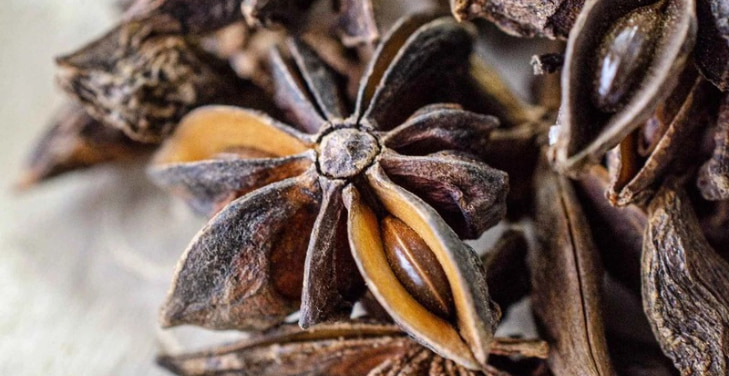
Star anise contains aromatic compounds, while misidentified varieties may introduce serious food safety risks.
What Is Star Anise?
Star anise is a spice with a distinctive star shape, a warm, sweet aroma, and mild spiciness. This fruit contains many natural aromatic compounds, especially anethole, which contributes to its chemical properties and value in traditional food and medicine.
Botanical Name and Plant Characteristics
Star anise, scientifically known as Illicium verum, belongs to the Schisandraceae family. It is an evergreen woody plant with elongated leaves and fruit consisting of many star-shaped capsules. When mature, the fruit turns reddish-brown and contains a characteristic aromatic essential oil.
Origin and Traditional Culinary Applications
Star anise originates from China and Vietnam. People use this spice in stews, broths, herbal teas, and traditional spice blends. Its warm aroma enhances the flavor depth of food.
Active Compounds, Including Anethole
Anethole is the main aromatic compound in star anise essential oil. It also contains estragole, limonene, and other natural terpenes. These components contribute to the spice's aromatic properties and biological activity.
Common Side Effects of Star Anise
Star anise can cause several adverse reactions depending on the amount consumed, individual sensitivity, and the quality of the raw material. Common manifestations involve the digestive system, skin, and respiratory tract. Reaction severity varies with individual susceptibility and the amount of essential oils ingested.
Digestive Discomfort and Stomach Irritation
Some people may experience nausea, stomach pain, bloating, or epigastric discomfort after consuming star anise. The aromatic essential oils, particularly anethole, may contribute to gastrointestinal irritation in sensitive individuals.
Allergic Reactions and Skin Sensitivity
Star anise can trigger allergic reactions in individuals sensitive to plant components or spices. Symptoms often include itching, hives, rashes, and lip swelling. Severe reactions can affect breathing and require medical attention.
Star Anise Toxicity and Japanese Star Anise Contamination
The risk of star anise poisoning mainly comes from confusion with, or cross-contamination with, Japanese star anise. This is especially concerning in spice products of unknown origin, as some species in the Illicium genus contain potent neurotoxins that can damage the central nervous system.
Chinese Star Anise vs. Japanese Star Anise
Chinese star anise (Illicium verum) is a spice used in food. Japanese star anise (Illicium anisatum) contains naturally occurring toxic compounds and poses a risk of poisoning if inadvertently consumed.
Toxic Compounds in Illicium anisatum
Japanese star anise contains anisatin, a neurotoxic sesquiterpene compound. This substance affects the GABA neurotransmitter system, increasing the risk of nervous system stimulation and seizures.
Neurological Symptoms of Accidental Ingestion
Poisoning can cause nausea, vomiting, agitation, tremors, seizures, and altered consciousness. Infants are particularly susceptible to serious complications from exposure to contaminated tea or herbal preparations.
Allergic Reactions and Sensitivity to Star Anise
Star anise can cause hypersensitivity reactions in individuals sensitive to plant compounds and spice ingredients. Allergic reactions relate to immune activity, exposure level, and individual characteristics, with symptoms ranging from mild irritation to severe systemic reactions.
Common Symptoms of Spice Allergies
Common symptoms include itchy mouth, hives, rash, swollen lips, and throat discomfort. Some cases experience abdominal pain, nausea, or diarrhea after consuming star anise.
Skin and Respiratory Reactions
Contact with star anise essential oil or powder may cause itching, redness, and contact dermatitis in sensitive individuals. Respiratory reactions may manifest as sneezing, coughing, wheezing, and difficulty breathing. Anaphylaxis requires immediate medical attention.
Risk Factors for Allergic Individuals
Individuals with a history of spice or plant allergies, or hypersensitivity reactions to essential oils, should use star anise with caution.
Risks of Star Anise Essential Oil
Star anise essential oil contains a high concentration of aromatic compounds, particularly anethole, which can pose health risks if used improperly. Risk depends on the essential oil's concentration, the amount of exposure, and the individual's constitution.
High Concentration of Aromatic Compounds
Star anise essential oil contains high concentrations of volatile compounds that can irritate upon excessive contact. Using large amounts increases the risk of nausea, abdominal pain, and systemic adverse reactions.
Skin Irritation and Potential Toxicity
Applying undiluted essential oil to the skin can cause redness, itching, burning, or contact dermatitis. People with sensitive skin are more likely to experience irritation upon direct contact.
Dangers of Accidental Ingestion
Swallowing star anise essential oil can cause gastrointestinal irritation and poisoning depending on the dosage and product composition. Young children are particularly susceptible to complications if they accidentally ingest the oil.
Star Anise and Medication Interactions
Star anise may pose drug interaction issues, particularly when users combine concentrated herbal preparations with long-term medications. The extent of the impact depends on the product's composition, dosage, and individual health conditions.
Potential Concerns with Concentrated Herbal Preparations
Star anise essential oil and extracts contain concentrated bioactive compounds that may affect the body's ability to tolerate them. Carefully consider the risk of interactions when users take multiple herbal products at the same time.
Precautions for Regular Medication Users
Individuals taking medications for epilepsy, sedatives, or medications metabolized by the liver should exercise particular caution with concentrated star anise preparations. Clinical data on specific interactions are currently limited.
Importance of Professional Guidance
A doctor or pharmacist can assess the product's composition, dosage, and current medication regimen to determine the risk. Users should consult with a professional before adding star anise essential oil or extract to their health care routine.
Star Anise During Pregnancy and Breastfeeding
The use of star anise during pregnancy and breastfeeding requires careful consideration based on dosage, formulation, and the mother's health condition. Scientific data on safety during these two periods is currently limited, especially for essential oils and concentrated extracts.
Safety of Star Anise During Pregnancy
Star anise is often used in small amounts as a food flavoring. Pregnant women should prioritize common spices and consult their doctor before using herbal preparations with high concentrations of active ingredients.
Concentrated Extracts and Essential Oils
Star anise essential oil contains high concentrations of anethole and aromatic compounds. Ingestion or use of concentrated doses may increase the risk of adverse reactions in the mother and create pregnancy safety issues.
Considerations During Breastfeeding
Breastfeeding women should use concentrated herbal teas and star anise essential oil with caution. Choosing products from reputable sources and consulting with healthcare professionals helps protect the health of both mother and child.
Who Should Avoid or Limit Star Anise?
Several groups should use star anise with caution because of the risk of allergies, poisoning, and adverse reactions from the essential oil. Safety assessments should consider age, health conditions, and the product form used.
Infants and Young Children
Infants and young children are at high risk of poisoning from using star anise products contaminated with Japanese star anise. Their developing nervous systems make this age group particularly susceptible to seizures and serious complications.
Individuals with Spice Allergies
People with a history of spice or essential oil allergies should use caution around star anise. Reactions may include hives, lip swelling, skin irritation, and difficulty breathing.
People with Health Conditions or Medication Concerns
Individuals with chronic illnesses, those undergoing medication treatment, or those with sensitivities should consult a doctor before using star anise extract and essential oil.
Safe Star Anise Consumption and Risk Prevention
Using star anise safely requires attention to ingredient origin, product quality, and consumption levels. Appropriate control measures help reduce the risk of poisoning, allergies, and adverse reactions associated with this spice.
Selecting Authentic, Food-Grade Chinese Star Anise
Consumers should choose star anise from reputable suppliers that meet food standards and clearly identify it as Illicium verum. Quality control helps reduce the risk of confusion with Japanese star anise, which contains the neurotoxin anisatin.
Checking Product Labels and Ingredient Sources
Product labels should show the ingredients, origin, manufacturer, and usage instructions. Consumers should prioritize products with clear traceability information that meet food safety requirements.
Avoiding Excessive Consumption
Using star anise in typical seasoning amounts helps control exposure. Users should exercise caution with essential oils, concentrated extracts, and herbal preparations containing high levels of active ingredients.
Conclusion
Star anise offers culinary value due to its distinctive aroma and natural bioactive compounds. However, consuming this spice still carries the risk of allergies, digestive irritation, and poisoning due to contamination with Japanese star anise.
Consumers should choose food-grade products, use it in moderation, and be cautious with concentrated star anise oil. Children, pregnant women, and those undergoing medical treatment should pay particular attention to safety.
Frequently Asked Questions (FAQs)
- How Much Star Anise Can You Eat Daily? – Adults may use approximately 1–2 Chinese star anise fruits in daily cooking as a general culinary reference. The appropriate amount depends on fruit size, preparation method, ingredient quality, and individual tolerance. Use only food-grade Chinese star anise (Illicium verum).
- How Much Star Anise Tea Can You Drink Daily? – A traditional preparation uses 1 Chinese star anise fruit steeped in 200–250 ml of hot water. One cup can serve as a modest occasional beverage, although evidence establishing a safe daily amount for long-term use is limited. Check the ingredient's origin and avoid products of uncertain identity.
- Is Star Anise Safe to Take Every Day? – Chinese star anise (Illicium verum) is generally used safely in small culinary quantities. Choose products from reputable food suppliers and use them in moderation. The safety of concentrated extracts and long-term medicinal use has not been adequately established.
- What Happens If You Consume Too Much Star Anise? – Excessive star anise consumption may cause nausea, stomach pain, and allergic reactions. Contamination or substitution with Japanese star anise (Illicium anisatum), which contains neurotoxic compounds, can cause muscle tremors, seizures, and severe poisoning.
- Can You Drink Star Anise Tea Before Bed? – A weak cup of Chinese star anise tea may be enjoyed as an evening beverage. However, clinical evidence is insufficient to confirm that it improves sleep. Use food-grade ingredients, keep the preparation mild, and monitor individual tolerance.
