
All organs in the body depend on a stable blood flow to receive oxygen and nutrients. Low blood pressure reduces circulatory efficiency, thereby directly affecting the function of the brain, heart, kidneys, and many vital tissues.
This condition arises from various causes and manifests with varying degrees of symptoms. Understanding the risks, warning signs, and treatment methods helps protect cardiovascular health, reduce complications, and maintain a long-term quality of life.
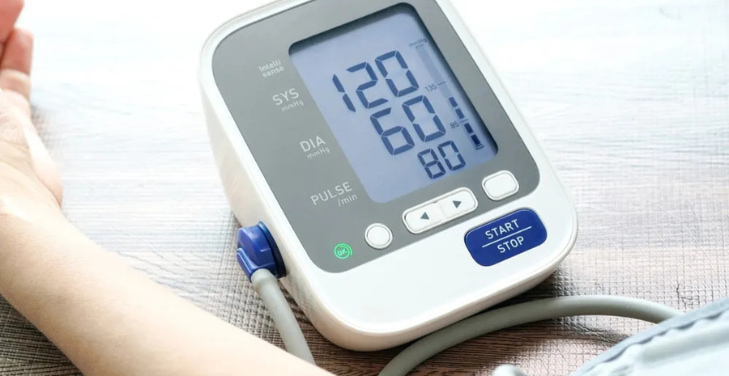
Low blood pressure can reduce blood flow and affect vital organs if left untreated.
What Is Low Blood Pressure?
Low blood pressure, or hypotension, is a condition in which arterial blood pressure falls below the threshold necessary to maintain stable blood flow to organs. This blood pressure level directly affects the ability to transport oxygen and nutrients, thereby impacting the function of the brain, heart, kidneys, and many other tissues in the body.
Blood Pressure Values
Blood pressure values are expressed as two numbers: systolic and diastolic blood pressure. Most medical professionals define low blood pressure as a measurement below 90/60 mmHg. However, clinical significance depends on the individual's physical condition, age, level of physical activity, and accompanying symptoms.
Why Blood Pressure Matters
Blood pressure maintains the force that keeps blood flowing continuously through the circulatory system. A stable blood flow supplies oxygen and nutrients to all cells and helps remove metabolic waste products. When blood pressure decreases, blood flow efficiency also decreases, causing many organs to function less effectively and creating conditions for health complications to develop.
Common Causes of Low Blood Pressure
Low blood pressure arises from various physiological and pathological mechanisms. Each cause affects the ability to maintain circulatory flow, altering blood pressure in the arterial system. Identifying the correct triggering factor helps doctors develop appropriate treatment and reduce the risk of serious complications.
Fluid Loss and Dehydration
The body needs sufficient fluid to maintain stable blood volume. Dehydration due to fever, diarrhea, prolonged vomiting, excessive sweating, or insufficient water intake reduces circulatory volume, thereby lowering blood pressure. This condition often develops rapidly and significantly affects the body's overall blood supply.
Medical Conditions
Many medical conditions impair the efficiency of blood pumping or blood pressure regulation. Heart disease, endocrine disorders, adrenal insufficiency, diabetes mellitus with autonomic nervous system damage, and anemia all contribute to low blood pressure. Each condition creates its own mechanism, but all directly affect the circulatory system's function.
Medications and Nutritional Factors
Some medications for high blood pressure, such as diuretics, antidepressants, or vasodilators, lower blood pressure as a pharmacological effect. Simultaneously, diets deficient in vitamin B12, folate, or iron reduce red blood cell production, impair oxygen transport, and contribute to low blood pressure.
Early Signs and Symptoms
Early signs of low blood pressure usually appear when the blood supply to the brain and other organs decreases below the body's capacity. Symptoms develop with varying intensity depending on the individual's condition, the cause, and the rate of blood pressure drop. Early recognition allows for more effective assessment and treatment.
Neurological Symptoms
The brain reacts very sensitively to changes in blood flow. Patients often experience dizziness, lightheadedness, reduced concentration, and blurred vision. Some cases experience dizziness when changing posture, accompanied by a feeling of imbalance and unsteady gait.
Physical Warning Signs
The body sends out many warning signals, such as fatigue, decreased stamina, cold skin, sweating, and a rapid heartbeat, to maintain blood flow. As blood pressure continues to drop, lightheadedness worsens, and the patient is prone to fainting, especially when standing for long periods or during strenuous activity.
Dangers of Low Blood Pressure
Prolonged low blood pressure triggers a chain reaction that affects the entire circulatory system and many vital organs. When blood flow decreases, cells receive less oxygen and nutrients, thereby reducing the body's efficiency. The level of danger increases over time and depends on the cause of the low blood pressure.
Reduced Blood Flow to Vital Organs
The brain, heart, and kidneys require a stable blood supply to maintain their function. Reduced blood pressure decreases the amount of blood reaching these organs, disrupting nerve regulation, reducing the efficiency of heart contractions, and affecting kidney function.
Higher Risk of Falls and Injuries
Dizziness, loss of balance, and fainting increase the risk of falls in daily life. The elderly and those with chronic illnesses are more susceptible to bone and joint injuries or soft tissue damage after each loss of posture control.
Progression to Circulatory Shock
A severe drop in blood pressure leads to rapid circulatory system collapse. The heart, brain, and vital organs experience acute oxygen deprivation, disrupting vital functions and requiring urgent medical intervention to save lives.
Who Is Most at Risk?
Low blood pressure can occur at any age; however, certain population groups are at higher risk due to physiological characteristics, underlying medical conditions, or medication effects. Identifying the right risk group helps proactively monitor health and detect abnormalities early.
Older Adults and Pregnant Women
Older adults often experience a decline in blood pressure regulation due to the aging process of the cardiovascular and autonomic nervous systems. Pregnant women are also prone to low blood pressure during certain stages when the circulatory system expands to meet the needs of fetal and placental development.
People With Chronic Diseases
Individuals with cardiovascular disease, endocrine disorders, diabetes, or autonomic nervous system disorders often experience significant blood pressure fluctuations. These conditions directly affect the heart's ability to contract, vascular tone, and circulatory regulation mechanisms.
Medication Users and Highly Active Individuals
Individuals using antihypertensive drugs, diuretics, or vasodilators are at risk of developing low blood pressure during treatment. Athletes and those engaging in high-intensity training also often experience slow heart rates and physiologically low blood pressure as their cardiovascular systems adapt to prolonged physical activity.
When Low Blood Pressure Becomes a Medical Emergency
Low blood pressure becomes a medical emergency when blood flow decreases sharply, depriving vital organs of oxygen for a short period. The progression is usually rapid and requires urgent medical assessment to maintain vital functions, limit organ damage, and improve prognosis.
Signs of Circulatory Shock
Circulatory shock produces a series of distinct symptoms, including a rapid, weak pulse, cold, clammy skin, rapid breathing, and decreased consciousness. Continued blood pressure drops significantly, reducing blood flow to the brain, heart, and kidneys, leading to a rapid decline in vital functions.
Severe Neurological Changes
Patients may experience prolonged fainting spells, confusion, slow reactions, or disorientation. These signs reflect acute cerebral ischemia and require immediate treatment to protect nerve tissue.
Critical Organ Dysfunction
Severe chest pain, shortness of breath, significantly reduced urine output, and general exhaustion indicate that the heart, lungs, or kidneys are being affected by reduced blood flow. Prompt medical intervention helps restore circulation and reduce the risk of multi-organ damage.
How Doctors Diagnose the Underlying Cause
Diagnosing low blood pressure focuses on identifying the root cause rather than simply recording blood pressure readings. Doctors combine symptom assessment, clinical examination, and various specialized tests to comprehensively evaluate the cardiovascular, nervous, and endocrine systems. This approach helps select the appropriate treatment for each patient.
Medical History and Physical Examination
Doctors inquire about the onset of symptoms, frequency, medical history, diet, daily fluid intake, and medications being used. Next, they measure blood pressure in various positions, assess heart rate, and check for signs related to circulation.
Laboratory and Cardiac Tests
Blood tests help detect anemia, electrolyte imbalances, endocrine disorders, or infections. Electrocardiograms (ECGs) and echocardiograms provide information on heart rate, contractile function, and cardiac structure, thereby aiding in the identification of cardiovascular diseases associated with low blood pressure.
Specialized Diagnostic Procedures
Some cases require tilt-table testing, continuous blood pressure monitoring, or autonomic nervous system evaluation. These techniques clarify the mechanisms causing hypotension and help develop a more accurate treatment plan.
Treatment and Management Strategies
Treatment for low blood pressure focuses on improving blood flow, controlling the underlying cause, and maintaining stable blood pressure over the long term. Doctors develop treatment plans based on symptom severity, comorbidities, and overall health, thereby improving treatment effectiveness and quality of life.
Lifestyle and Dietary Adjustments
Drinking enough water helps maintain circulatory volume and supports blood pressure stability. A balanced diet, including prescribed salt intake, smaller meals, and gradual changes in posture, helps limit blood pressure fluctuations. Appropriate physical activity also promotes circulation and improves cardiovascular regulation.
Medical Treatment
Doctors review medications, adjust dosages as needed, and actively treat underlying conditions such as endocrine disorders or cardiovascular disease. In some cases, medications to increase vascular tone or raise blood pressure may be necessary to improve blood flow and reduce persistent symptoms.
Can the Complications Be Prevented?
Most complications of low blood pressure can be significantly reduced when patients proactively manage risk factors and maintain regular health monitoring. A comprehensive prevention strategy helps stabilize circulation, improve blood flow to vital organs, and enhance long-term quality of life.
Regular Monitoring and Healthy Habits
Regular blood pressure monitoring helps detect early abnormal changes and assess treatment effectiveness. Maintaining adequate hydration, building a balanced diet, engaging in appropriate exercise, and gently adjusting posture help stabilize blood pressure and support more efficient cardiovascular function.
Managing Underlying Conditions
Good management of conditions such as cardiovascular disease, endocrine disorders, or diabetes helps limit blood pressure fluctuations. Doctors also regularly assess medications being used to adjust treatment plans accordingly, thereby reducing the risk of hypotension episodes and related complications.
Recognizing Early Warning Signs
Early recognition of signs such as dizziness, lightheadedness, fainting, or confusion helps patients seek medical attention promptly. Prompt intervention helps maintain stable blood flow, protecting the function of the brain, heart, and other vital organs.
Conclusion
Low blood pressure directly affects the body's ability to supply blood, oxygen, and nutrients. Early identification of the causes, symptoms, and risk factors leads to more effective treatment and reduces the likelihood of serious complications.
Regular blood pressure monitoring, maintaining a healthy lifestyle, and adhering to your doctor's treatment instructions contribute to long-term cardiovascular health. A proactive approach helps maintain a stable circulatory system, improves quality of life, and supports the function of vital organs.
Frequently Asked Questions (FAQs)
- What blood pressure reading is considered low? – Low blood pressure is generally defined as a reading below 90/60 mmHg. However, healthcare providers also consider age, overall health, underlying conditions, and symptoms when evaluating whether a blood pressure level is clinically significant.
- Is low blood pressure dangerous? – Low blood pressure can reduce blood flow to the brain, heart, and other vital organs. In some cases, it may increase the risk of fainting, falls, organ dysfunction, or circulatory shock, depending on the underlying cause and severity.
- Does drinking plenty of water help improve low blood pressure? – Adequate hydration helps maintain blood volume and may support blood pressure when dehydration is a contributing factor. Drinking enough water, along with appropriate nutrition and medical guidance, can help improve circulation.
- What should people with low blood pressure eat? – A diet rich in vitamin B12, folate, iron, protein, and electrolytes supports healthy blood production and circulation. In some situations, a healthcare professional may also recommend adjusting sodium intake based on individual needs.
- When should you see a doctor for low blood pressure? – Medical evaluation is recommended if low blood pressure is accompanied by persistent dizziness, fainting, chest pain, shortness of breath, confusion, or symptoms that interfere with daily activities.
